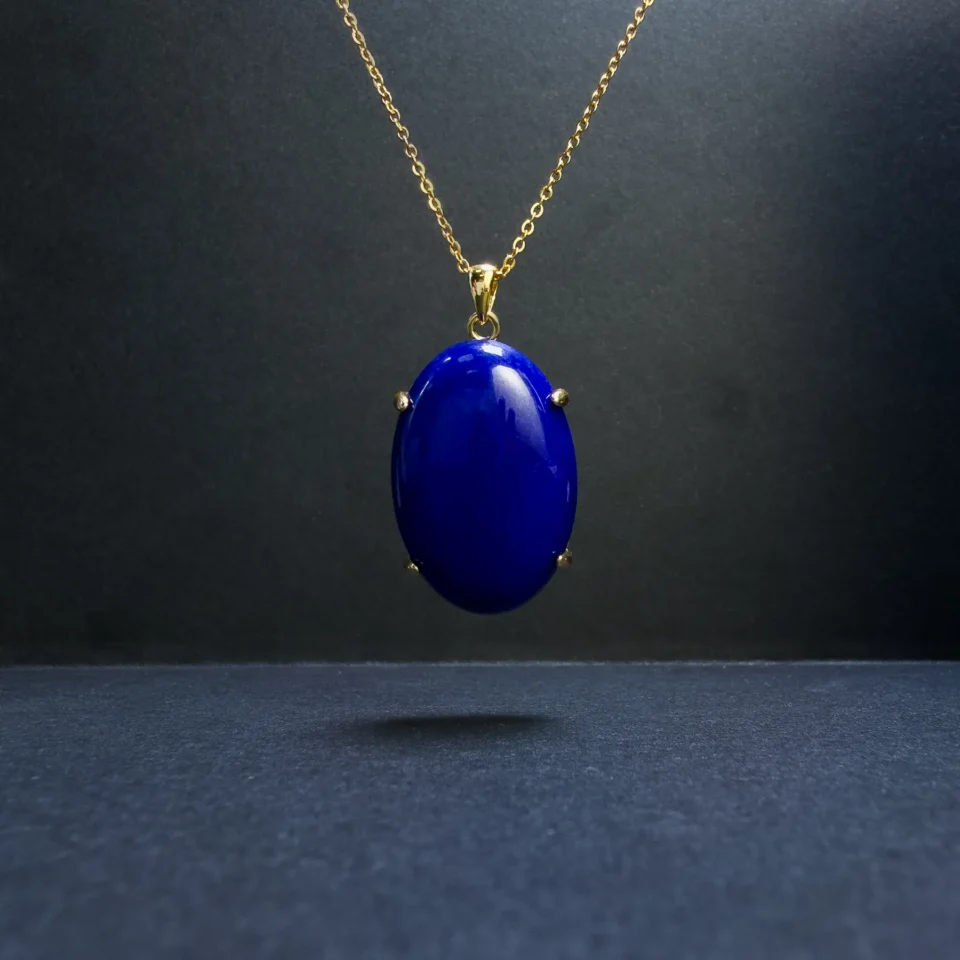
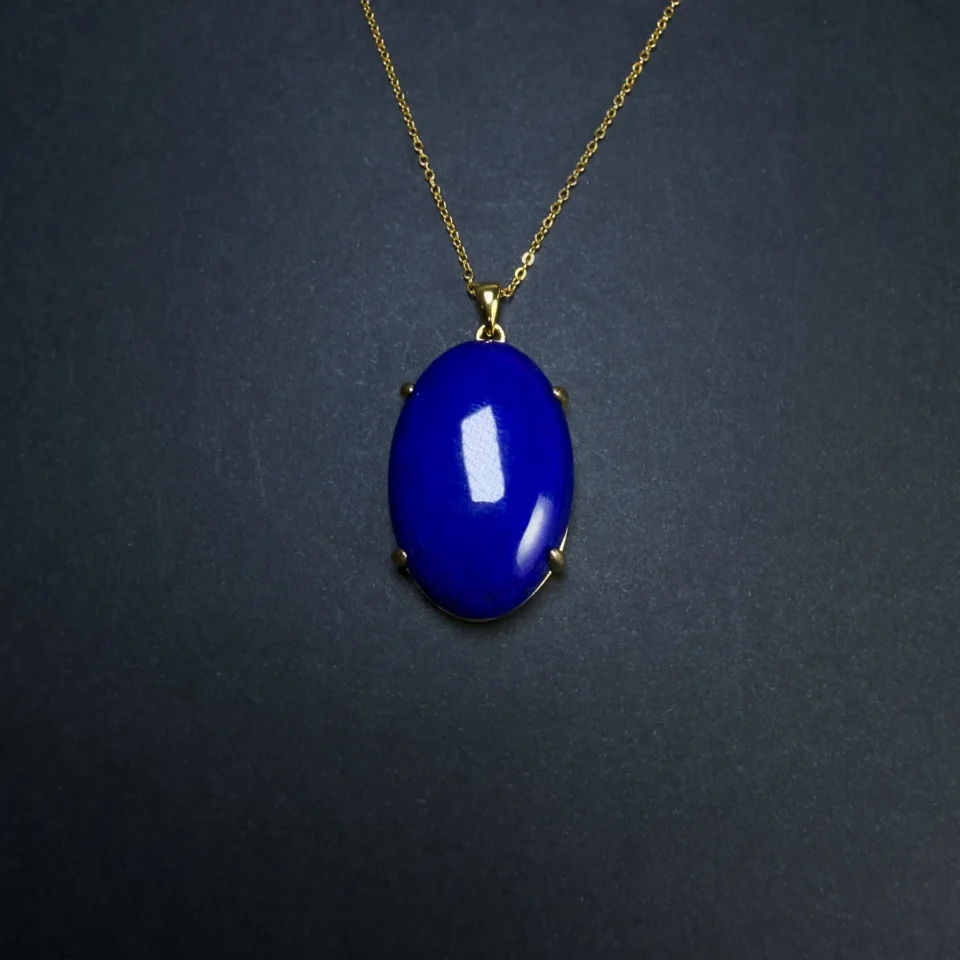
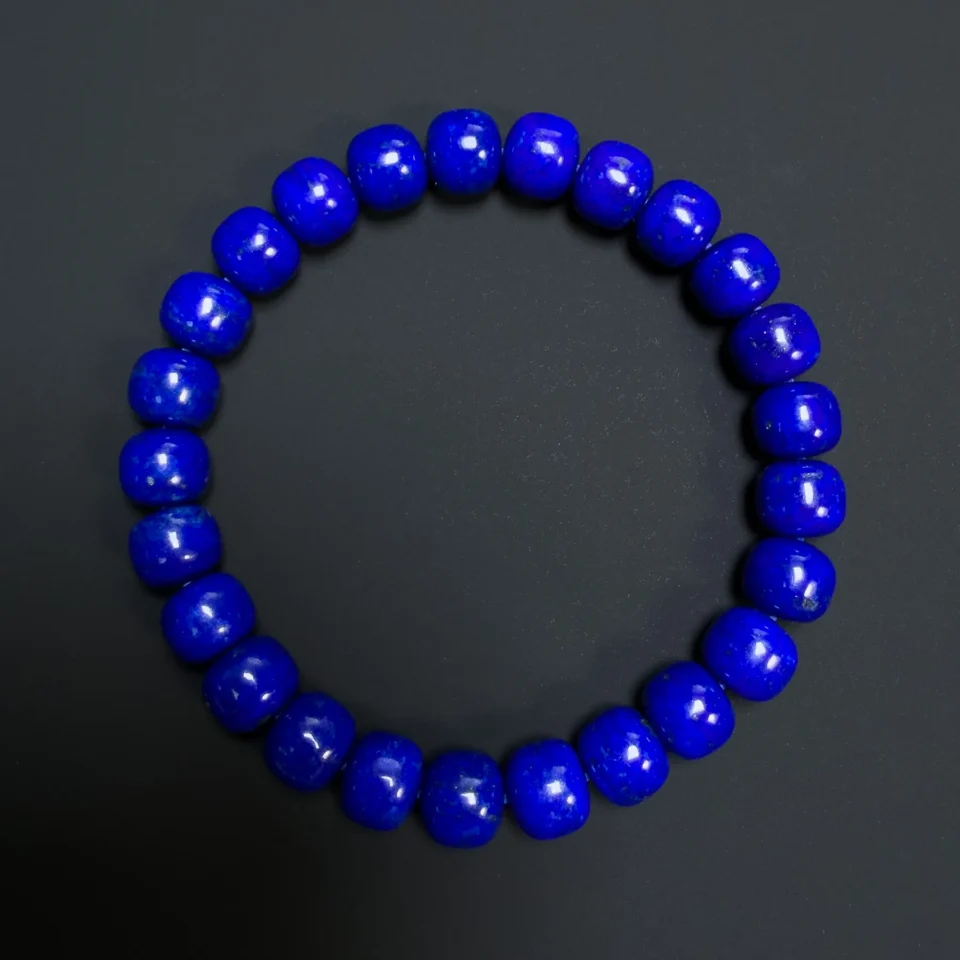
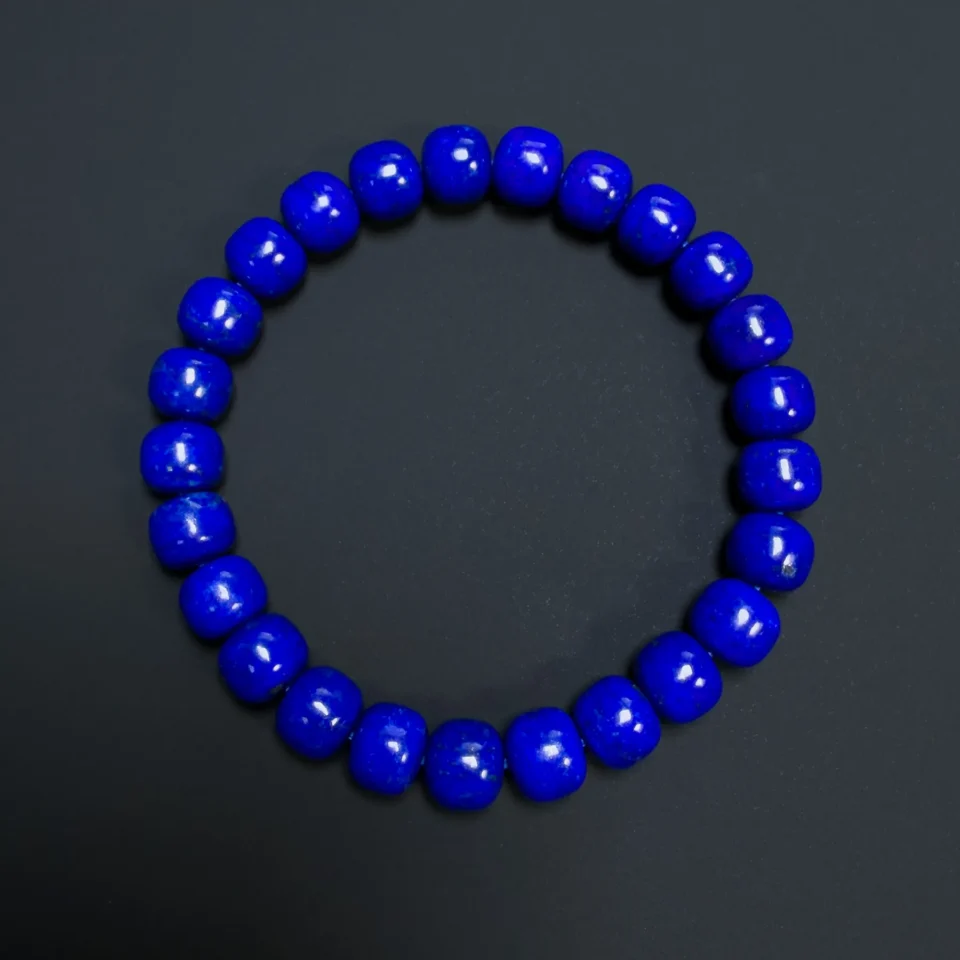
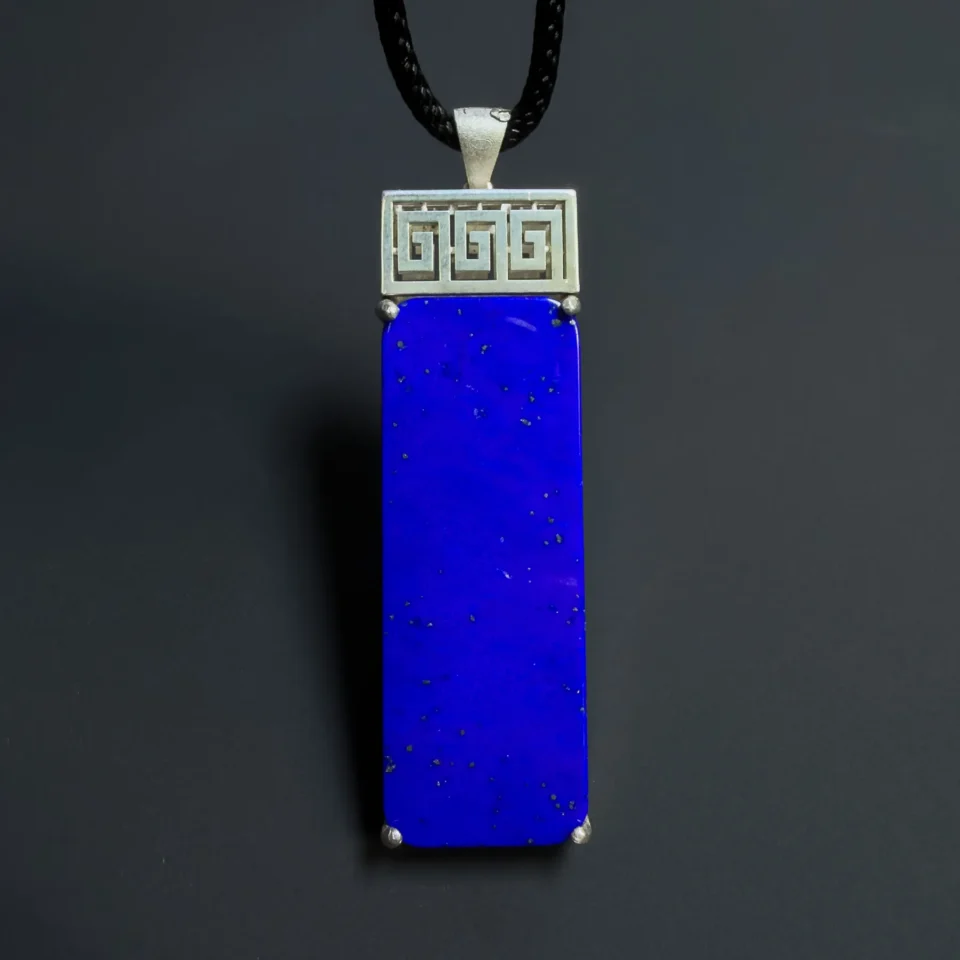
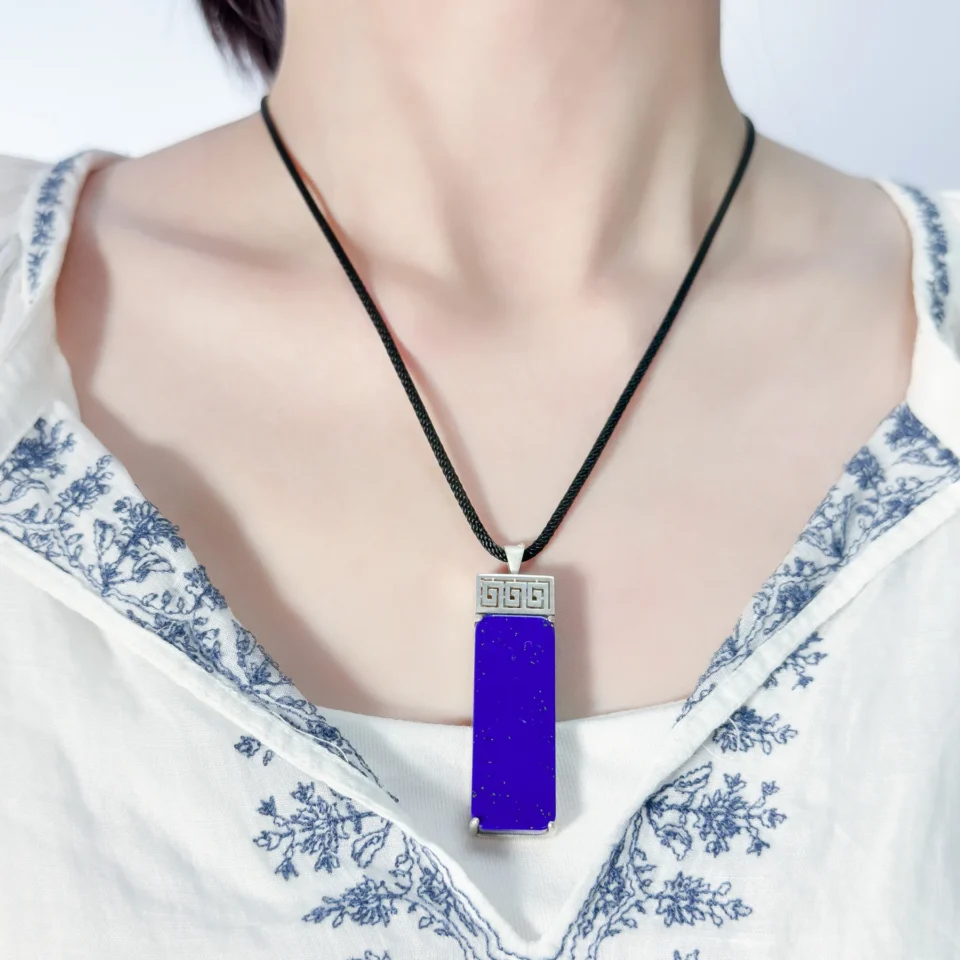
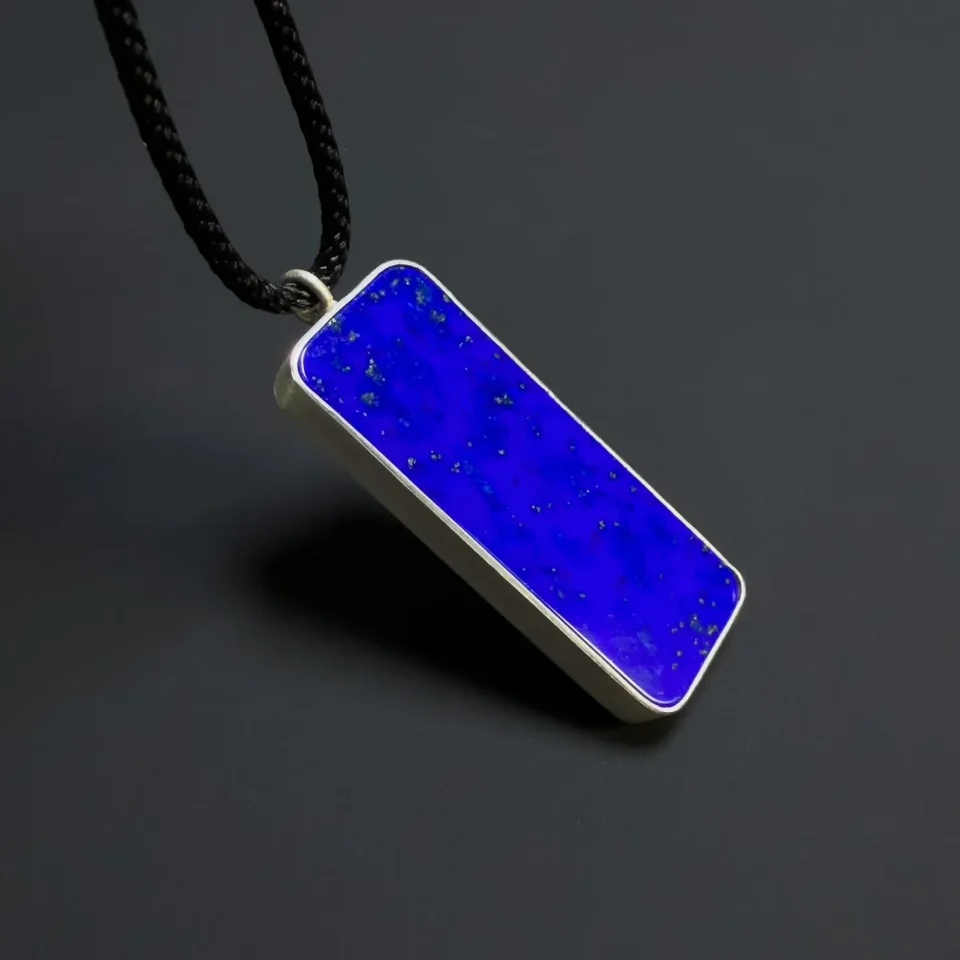
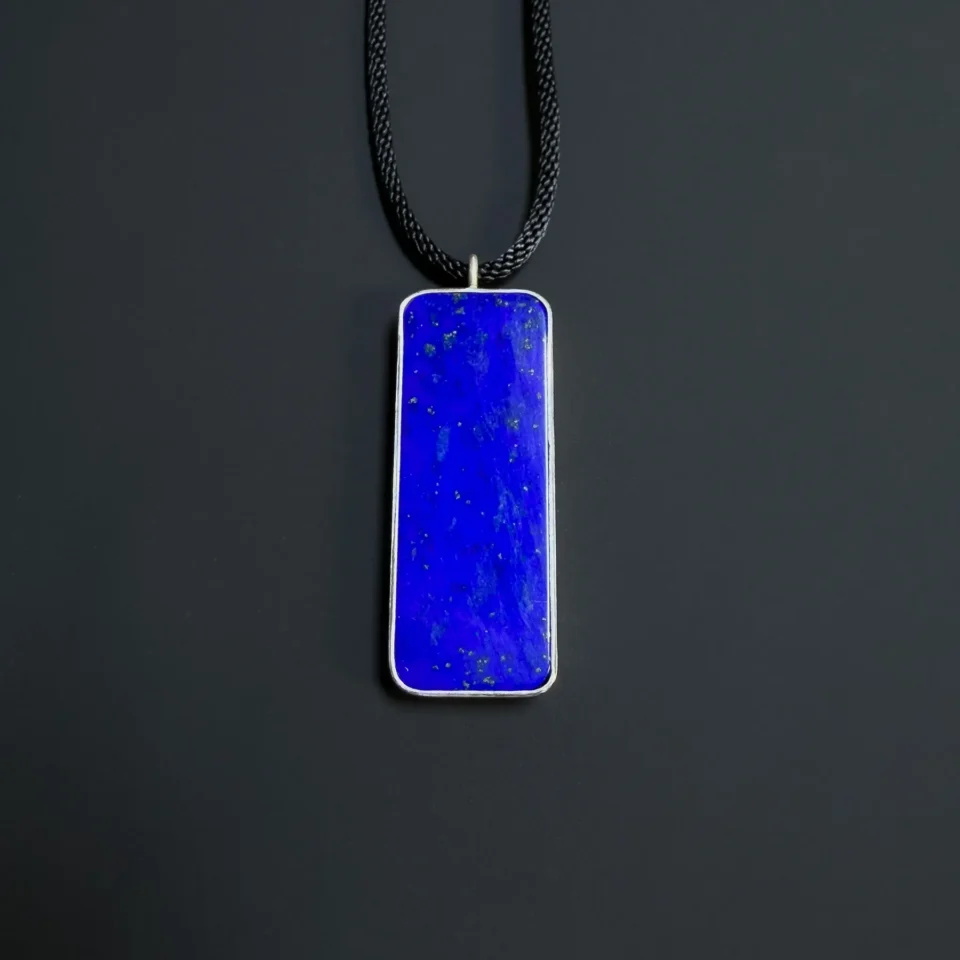
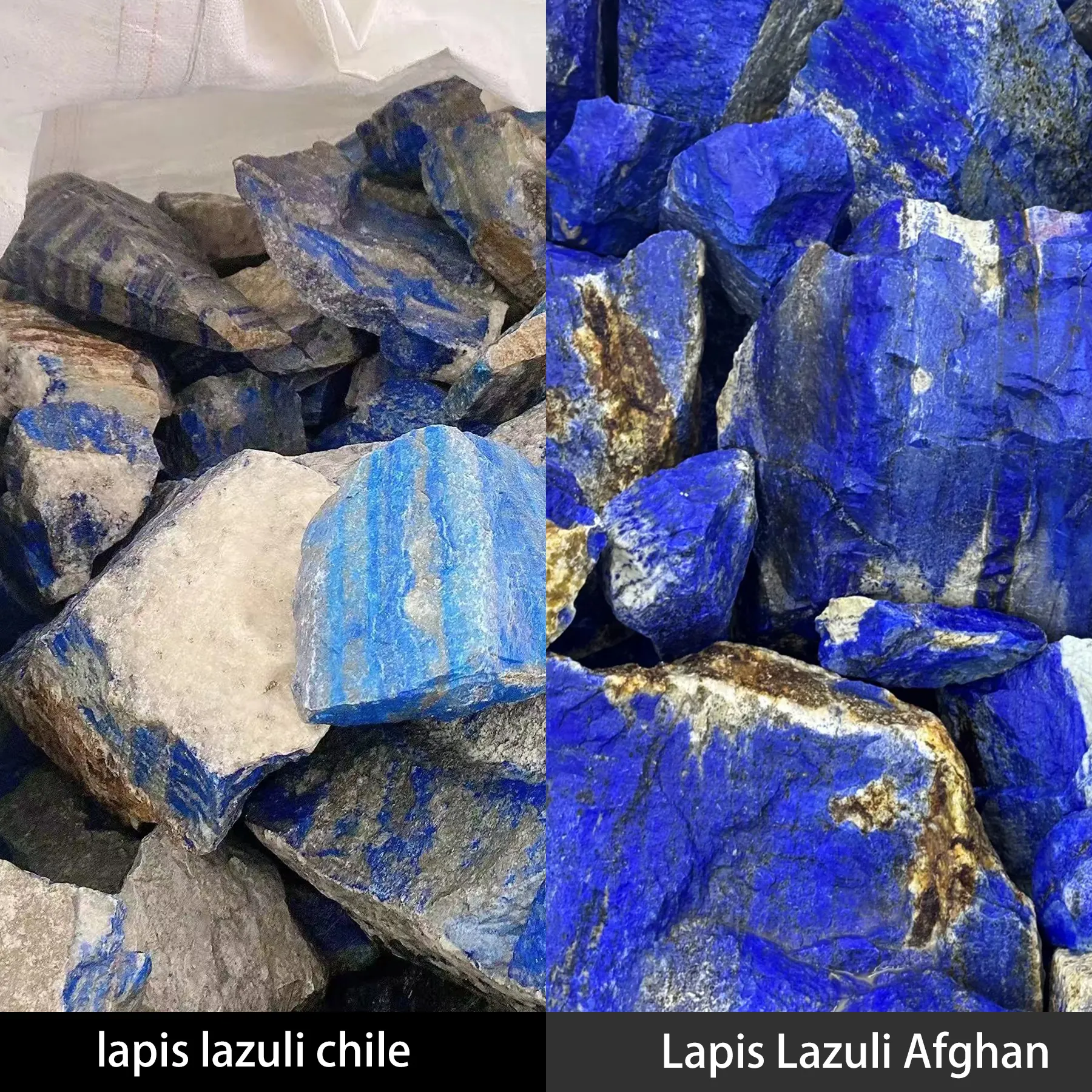
Chilean lapis lazuli is often described in the trade as lighter, greener or more visibly mixed with pale minerals than fine Afghan lapis. That description is useful, but it is not the whole story. GIA’s study of lapis lazuli from Chile’s Coquimbo Region found a wide range of material, from pale, mineral-rich rock to specimens that approached the quality of fine lapis from Afghanistan.
The important point for a buyer is simple: “Chilean” is not a quality grade. Origin can tell you where a stone may come from, but color, pale mineral content, texture, polish and treatment still determine what the finished material actually looks like.
Is Lapis Lazuli Really Mined in Chile?
Yes. The classic lapis deposit is in the Coquimbo Region of the Chilean Andes. GIA reported that lapis had been mined there since 1905. Chile also formally declared lapis lazuli its national stone in 1984.
The best-known deposit is associated with the Flor de los Andes mining area near the Chile-Argentina border. Because published production details can become outdated, this article uses the geological and quality observations from the GIA study rather than treating its 2000 mining figures as current production data.
What Does Chilean Lapis Typically Look Like?
In the international trade, “Chilean” often describes lapis with visible pale matrix and sometimes a greenish cast. GIA’s current lapis quality guide describes the typical Chilean trade type as material that may be tinged or spotted with green and show obvious calcite matrix.
Actual Chilean material is more varied. The Coquimbo study recorded samples from light blue to dark blue and identified lazurite together with wollastonite, calcite, haüyne, diopside and pyrite. This matters because the pale areas are not always simply “white calcite.” In the material studied by GIA, wollastonite was also an important light-colored component.
Why Does Some Chilean Lapis Look Lighter?
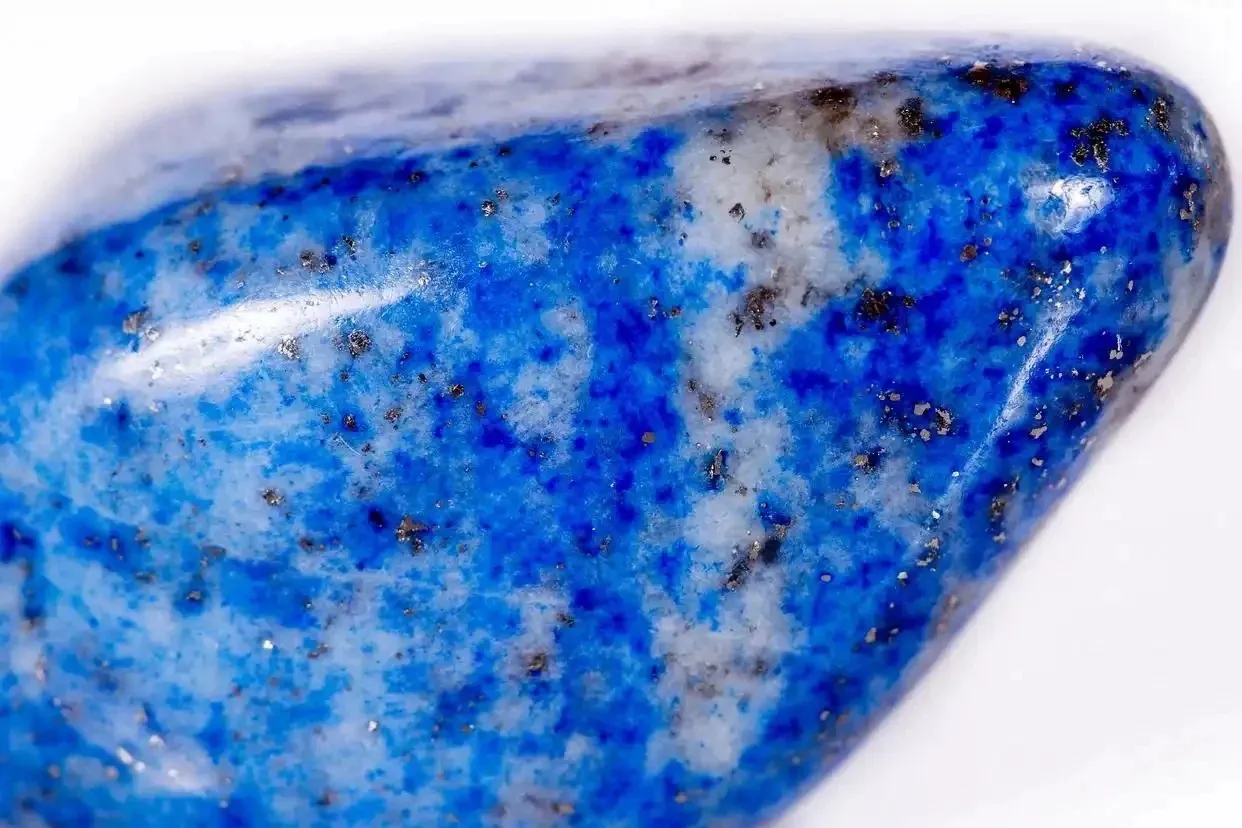
GIA’s microscopic observations give a better explanation than the usual “it has more calcite.” The apparent darkness or lightness of the blue depended strongly on how much white or colorless mineral—particularly wollastonite—was mixed with the lazurite. Where there was less light-colored material, the same rock appeared darker blue.
For a jewelry buyer, the practical lesson is to judge how much uninterrupted blue remains visible rather than trying to identify every pale grain from a photograph. For a broader explanation of blue quality, see what color is lapis and which blues are most valued.
Chilean Lapis Has More Than One Quality Level
One of the most useful parts of the GIA research is that it documented a four-category quality scheme used by Las Flores de Los Andes at the time of the 2000 study. It was a local trade system, not a universal GIA grading standard.
| Quality recorded in the study | What it looked like |
|---|---|
| First quality | Dark blue to ultramarine blue, no gray calcite; small white spots and finely dispersed pyrite could still occur. |
| Second quality | Dark to medium blue with more white spots, fine pyrite and minor gray calcite. |
| Third quality | Deep to pale blue with appreciable gray/white minerals and local pyrite aggregates. |
| Fourth quality | Less lazurite, with much of the remaining material made up of gray calcite. |
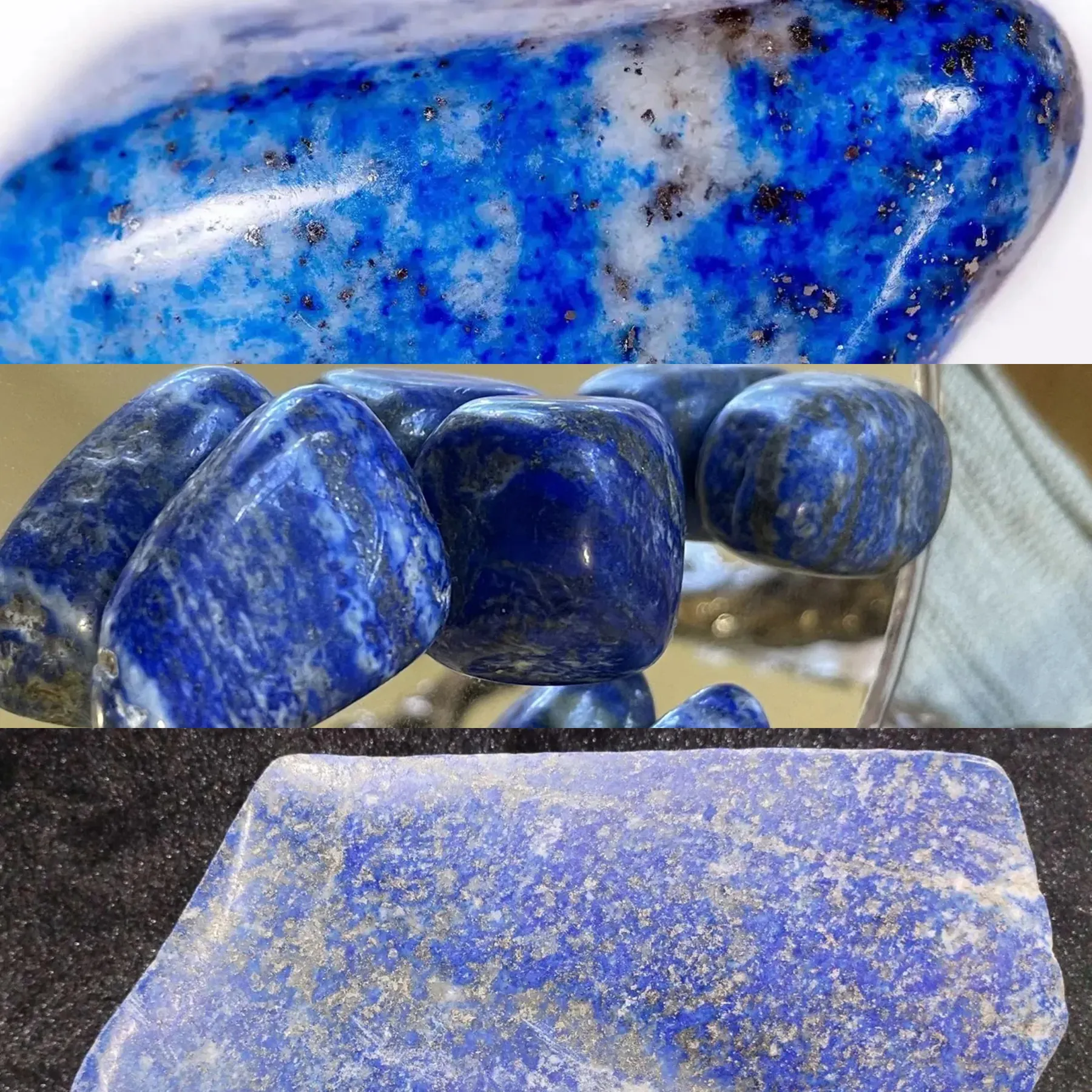
The value of this historical grading example is not the labels themselves. It illustrates the broad quality range of the Chilean material examined in the study. A pale, mineral-rich Chilean slab and a clean ultramarine piece should not be treated as the same material just because they share the same country of origin.
Can Chilean Lapis Be High Quality?
Yes. This is one of the details that short online guides often miss. The GIA study concluded that some Chilean material approaches the quality of fine lapis lazuli from Afghanistan. That does not mean the two origins usually look identical. It means “Chilean” should not be used as a synonym for low grade.
Fine Afghan material remains an important benchmark for saturated, relatively clean blue, but Afghanistan also produces more than one quality level. If you want to see how we judge finished Afghan material after cutting and polishing, read what fine Afghan lapis looks like in jewelry.
Chilean vs Afghan Lapis: Compare the Stone, Not Just the Country
| Factor | Typical Chilean trade appearance | Fine Afghan benchmark |
|---|---|---|
| Blue | Often lighter, mottled or sometimes greenish | Usually richer, more saturated and often slightly violetish |
| Pale minerals | Often more visually obvious | Very little visible pale matrix in fine material |
| Pyrite | Variable; can be fine or patchy | Variable; fine material may have little, none, or restrained flecks |
| Best material | Can be fine and strongly blue | Long-established benchmark for fine lapis |
These are tendencies, not identification rules. A photograph cannot prove geographic origin, and a country name should never replace direct quality evaluation.
Does “Chilean Lapis” Always Mean It Came from Chile?
Not necessarily. GIA specifically warns that geographic adjectives used in the gem trade can describe an appearance rather than prove origin. Lapis with abundant white calcite and green patches may be sold as “Chilean” even when that label is being used as a trade type rather than documented provenance.
So keep two questions separate: Where is the stone from? and How good is the stone? If geographic origin materially affects the price, ask what the provenance claim is based on.
How to Choose Chilean Lapis for Jewelry
Start with the stone itself: Is the blue saturated and visually dominant? How much pale matrix interrupts it? Does the material look fine and coherent after polishing? Has any dye or other treatment been disclosed? If you are buying a bracelet or necklace, are the stones matched well enough to look intentional together?
For a practical value comparison across different quality levels, see how color, calcite, pyrite, texture and polish affect lapis lazuli worth.
Chilean lapis is best understood as a source with a wide quality range, not a single look. Typical material may show more pale minerals than the fine Afghan lapis many buyers use as a benchmark, but high-quality Chilean material exists. Origin is useful context; the finished stone still has to earn its quality.