September 24, 2026
How Much Is Lapis Lazuli Worth in 2026? Quality & Price Guide
See how calcite, pyrite, blue color, texture and polish change lapis lazuli value, with real bead examples and approximate trade price ranges per gram.
Showing 1–16 of 30 results

Lapis lazuli is a natural gemstone with a history spanning thousands of years. It was highly treasured by ancient Egypt, Persia, and civilizations across both the East and the West. Renowned for its rich, deep blue color, lapis lazuli features naturally occurring white veining and golden pyrite flecks, giving each stone its own unique color and pattern.
Lapis lazuli is often associated with wisdom, inner peace, and self-expression. It also embodies the hope for mental clarity and emotional healing. This makes it not only beautiful for everyday wear, but also a meaningful birthday gift.
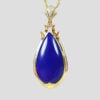
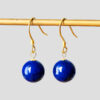
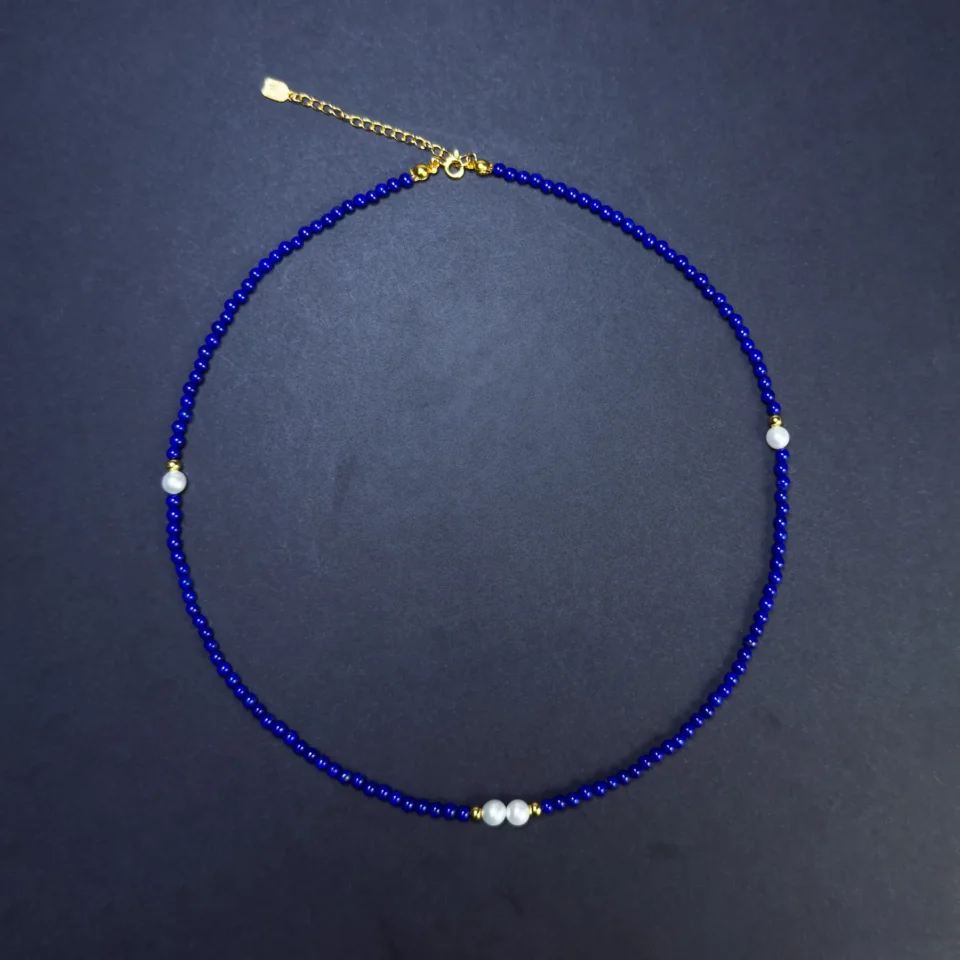
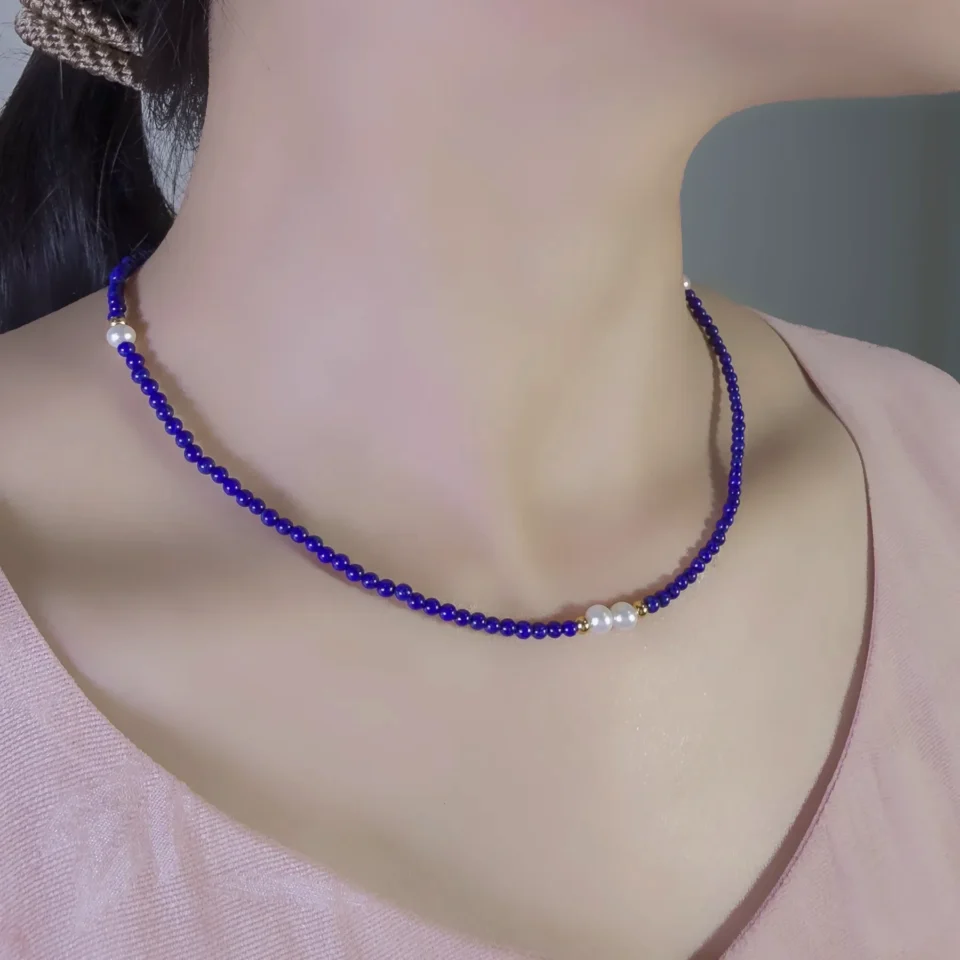
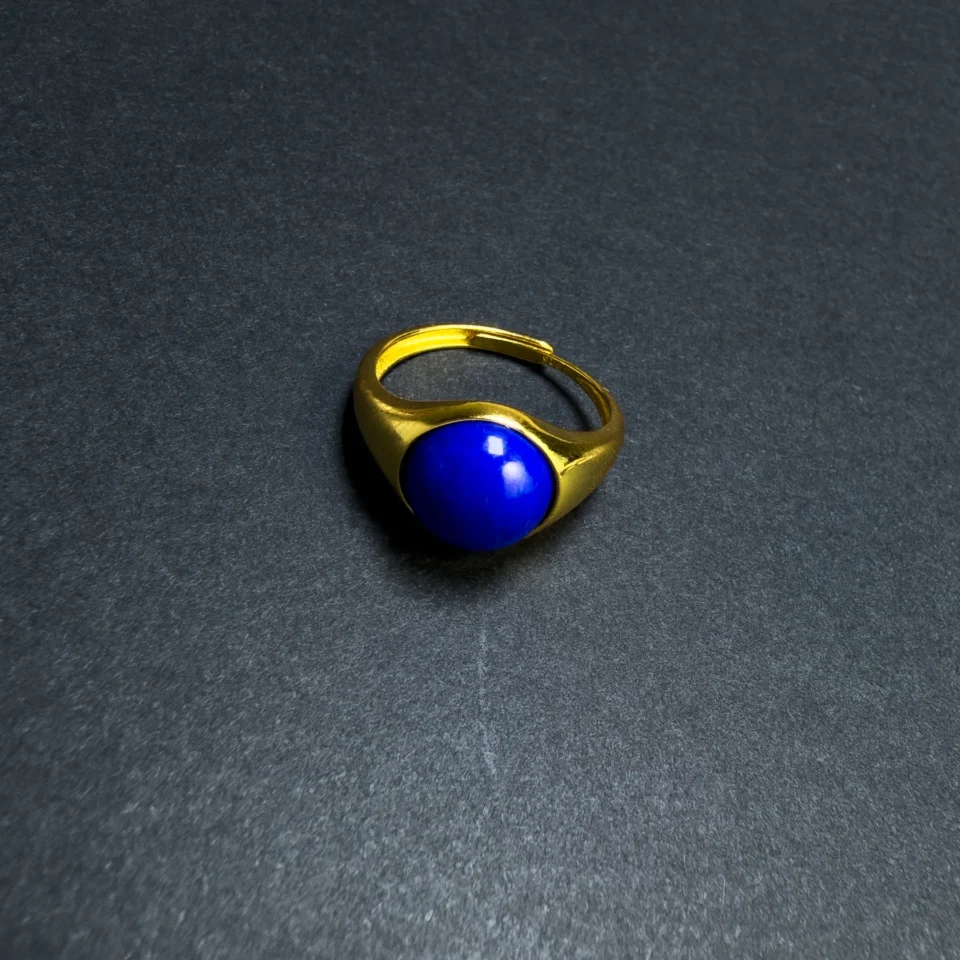
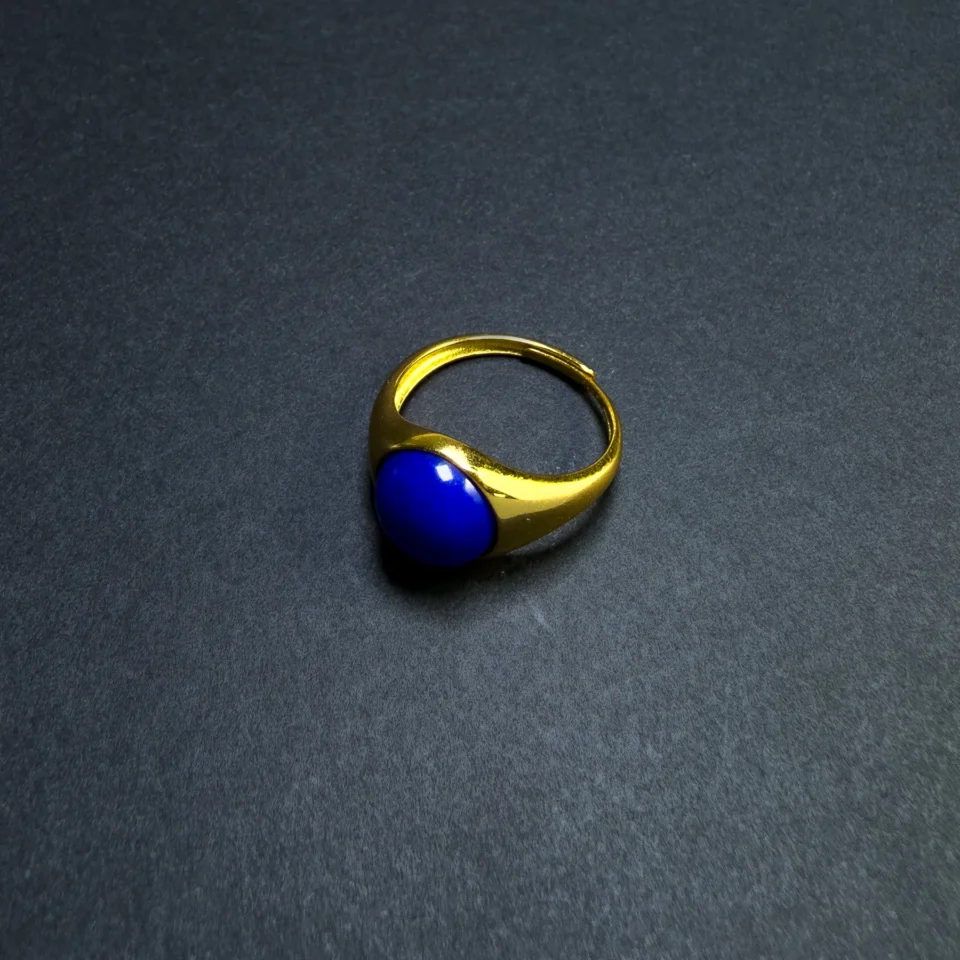
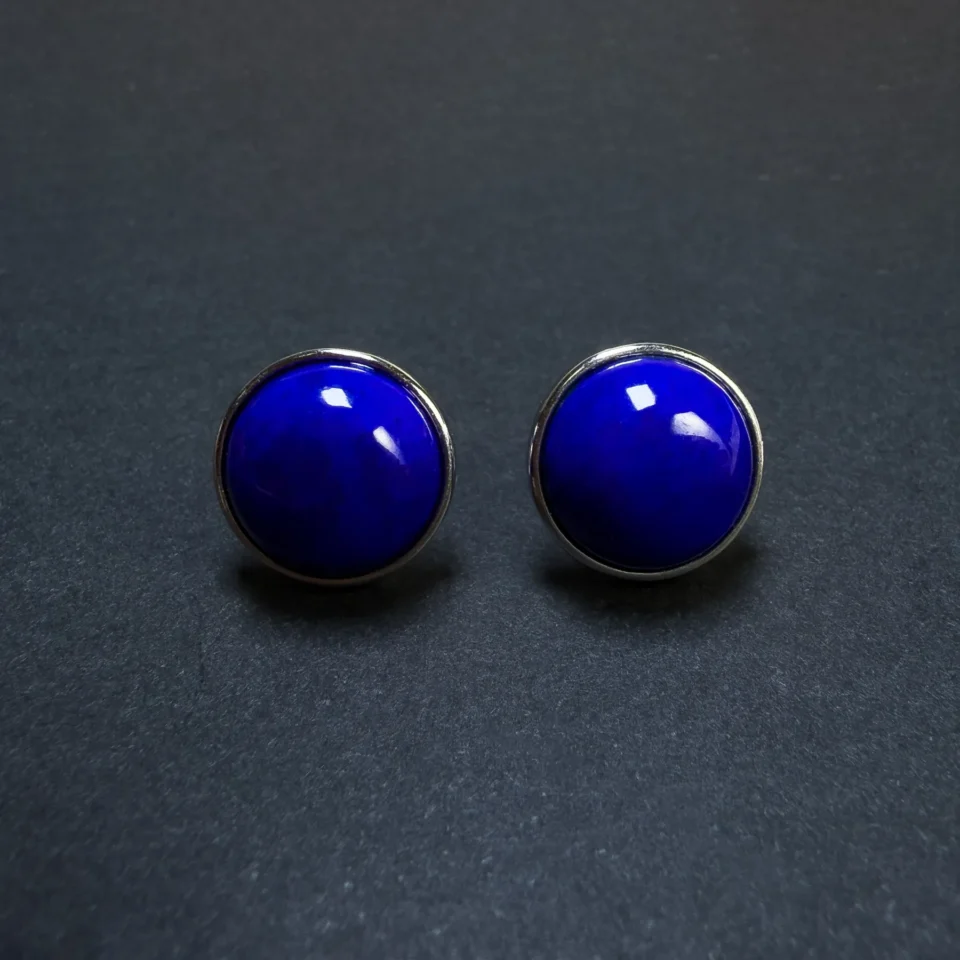
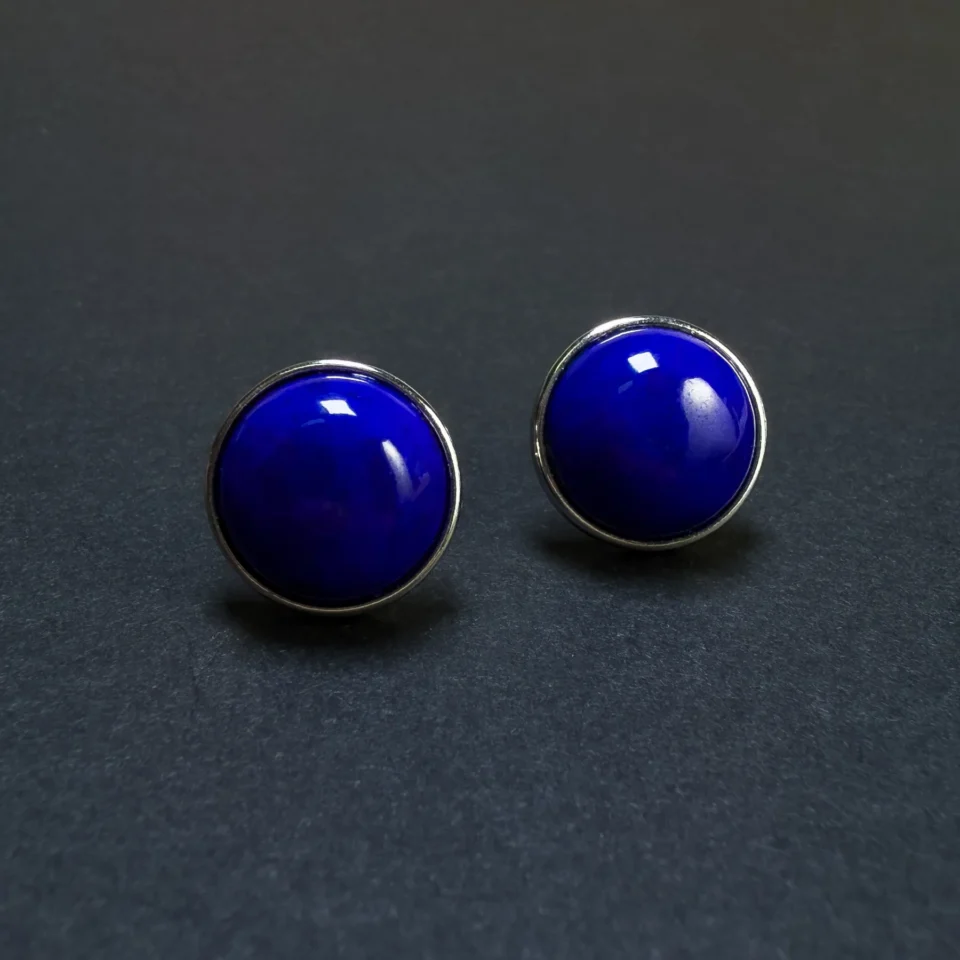
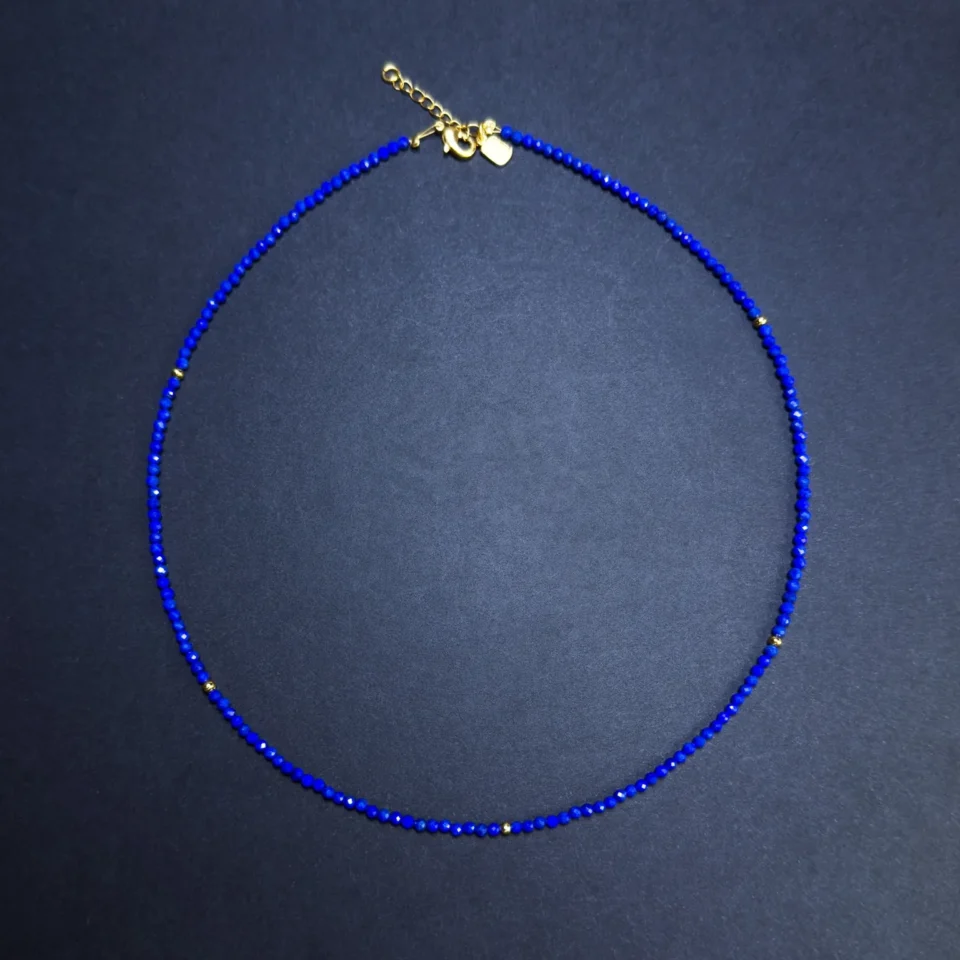
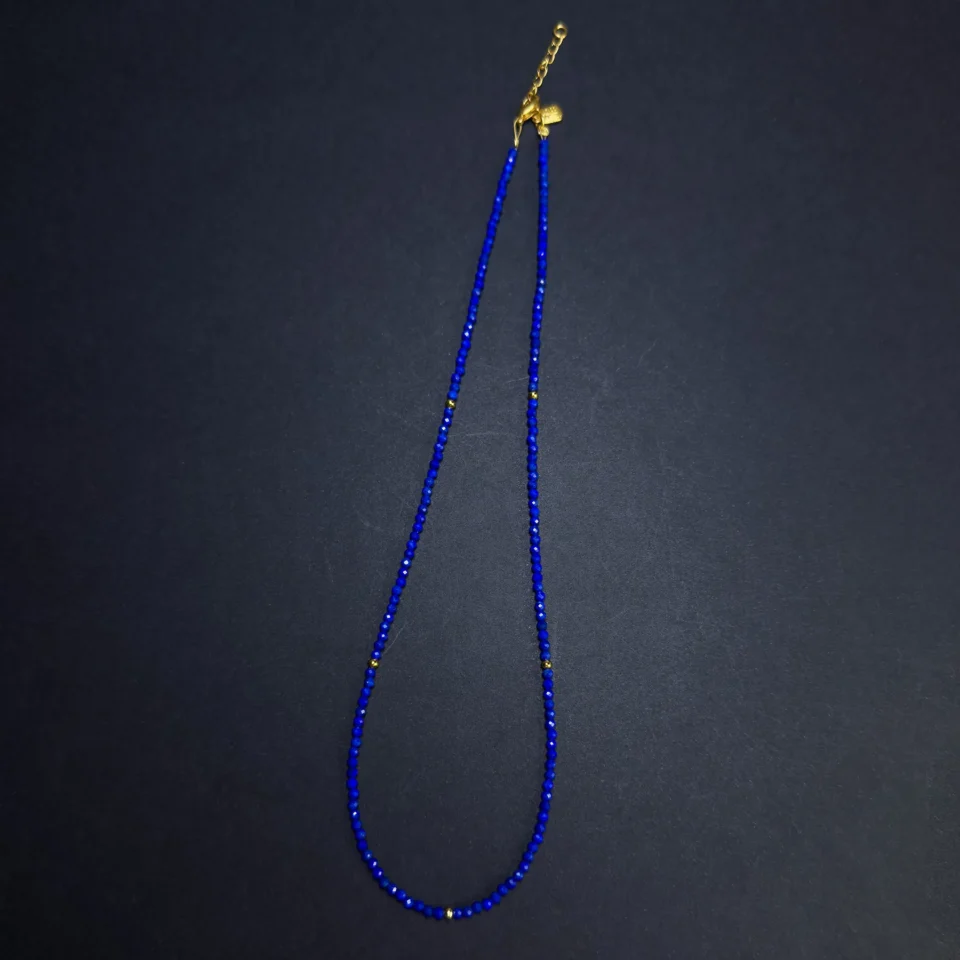
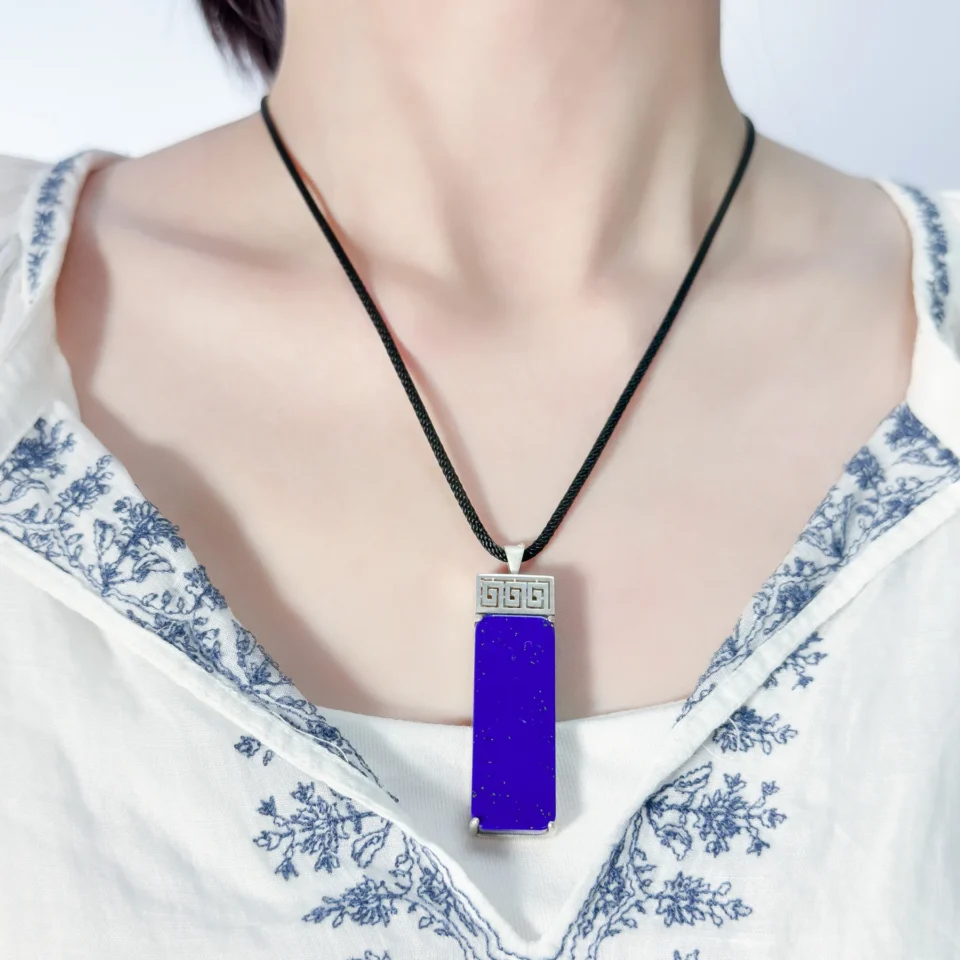
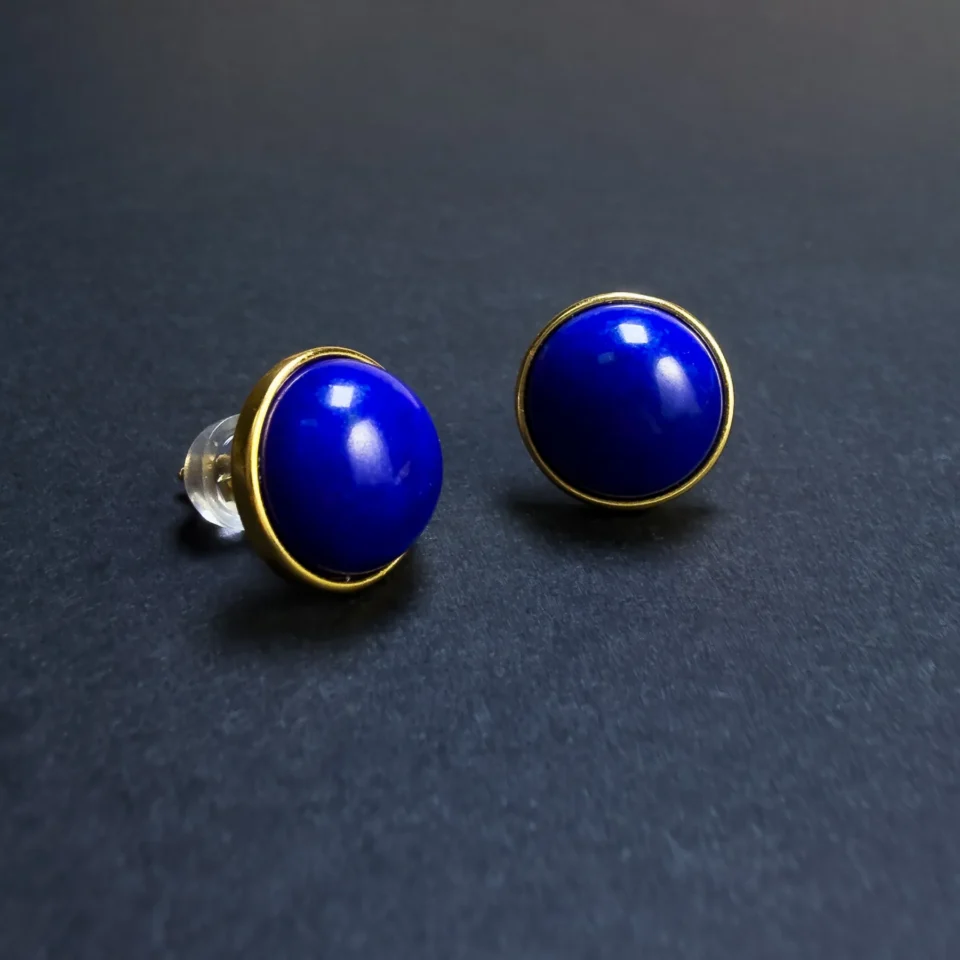
Our lapis lazuli collection is thoughtfully designed and crafted using S925 sterling silver and natural lapis lazuli, bringing the distinctive beauty and meaningful symbolism of this ancient gemstone into simple, modern jewelry designs.
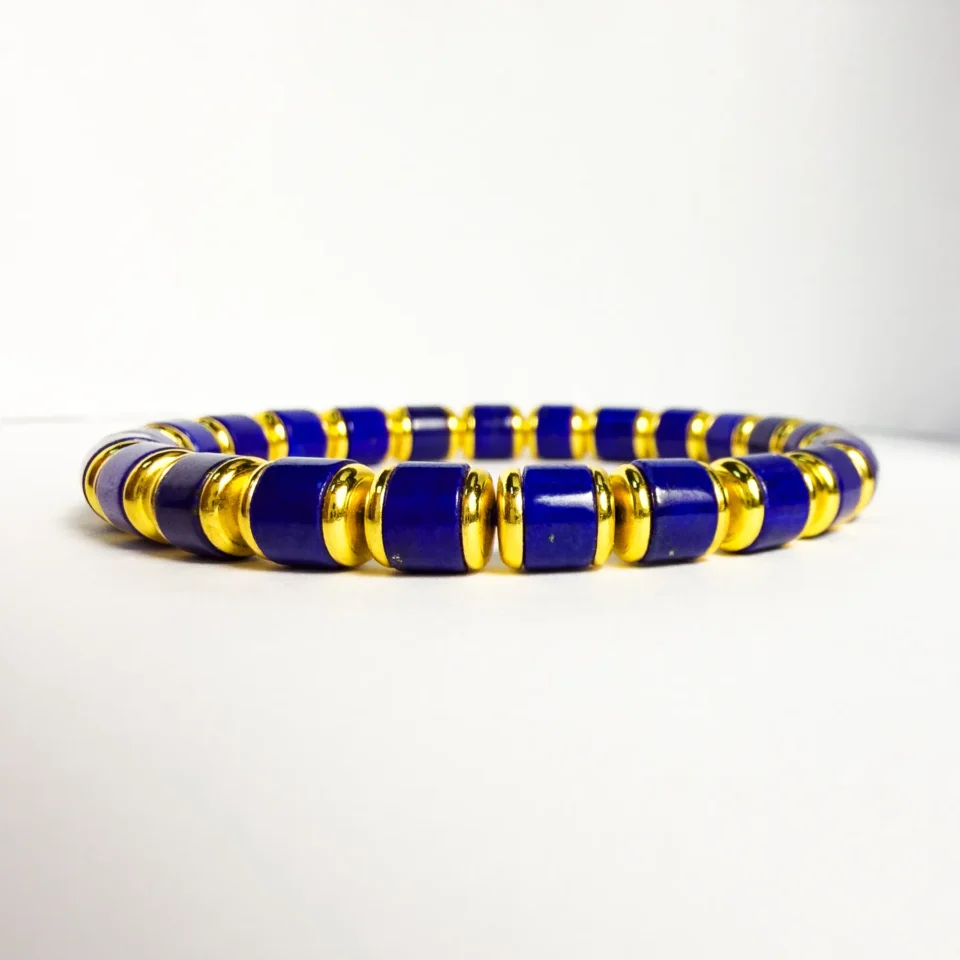
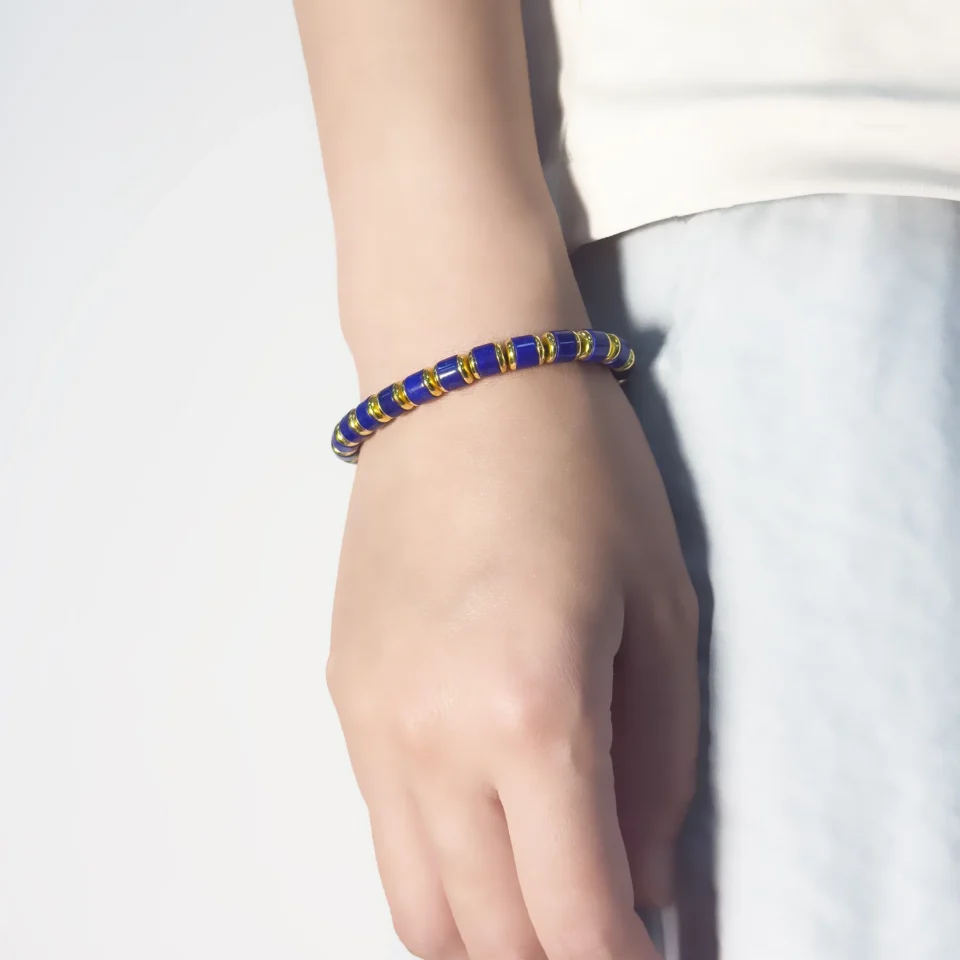
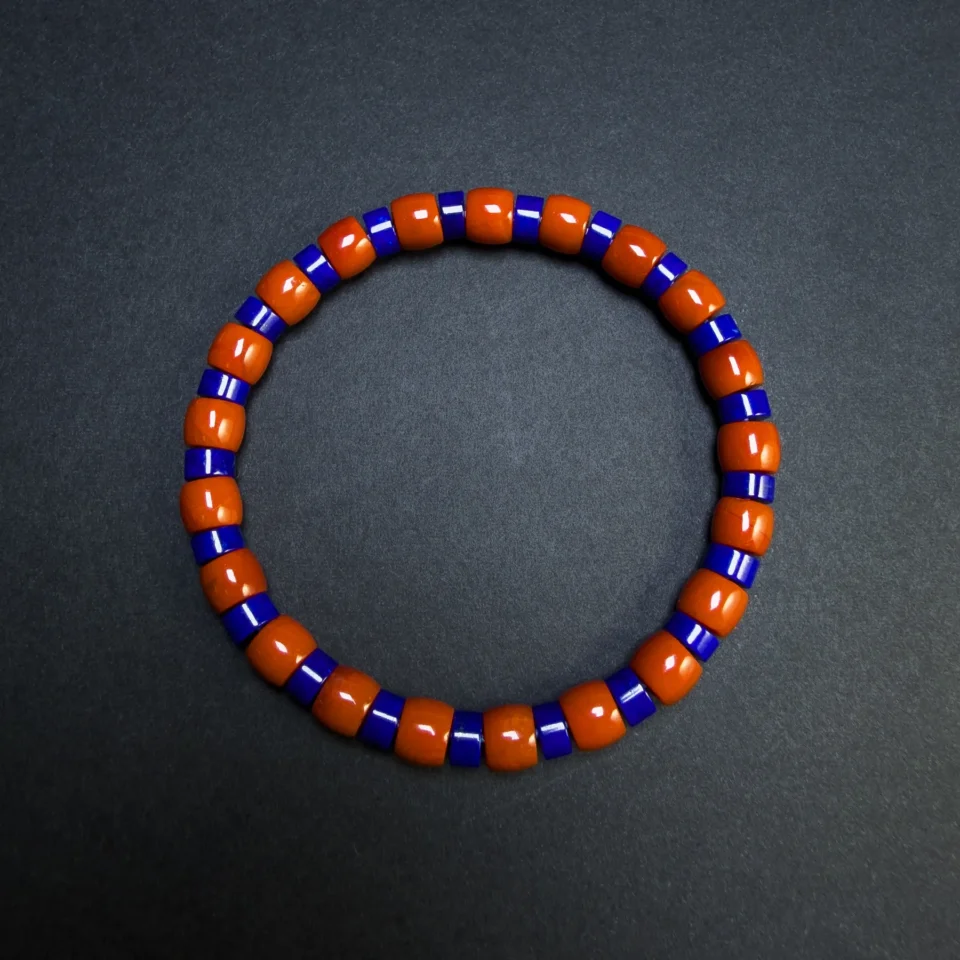
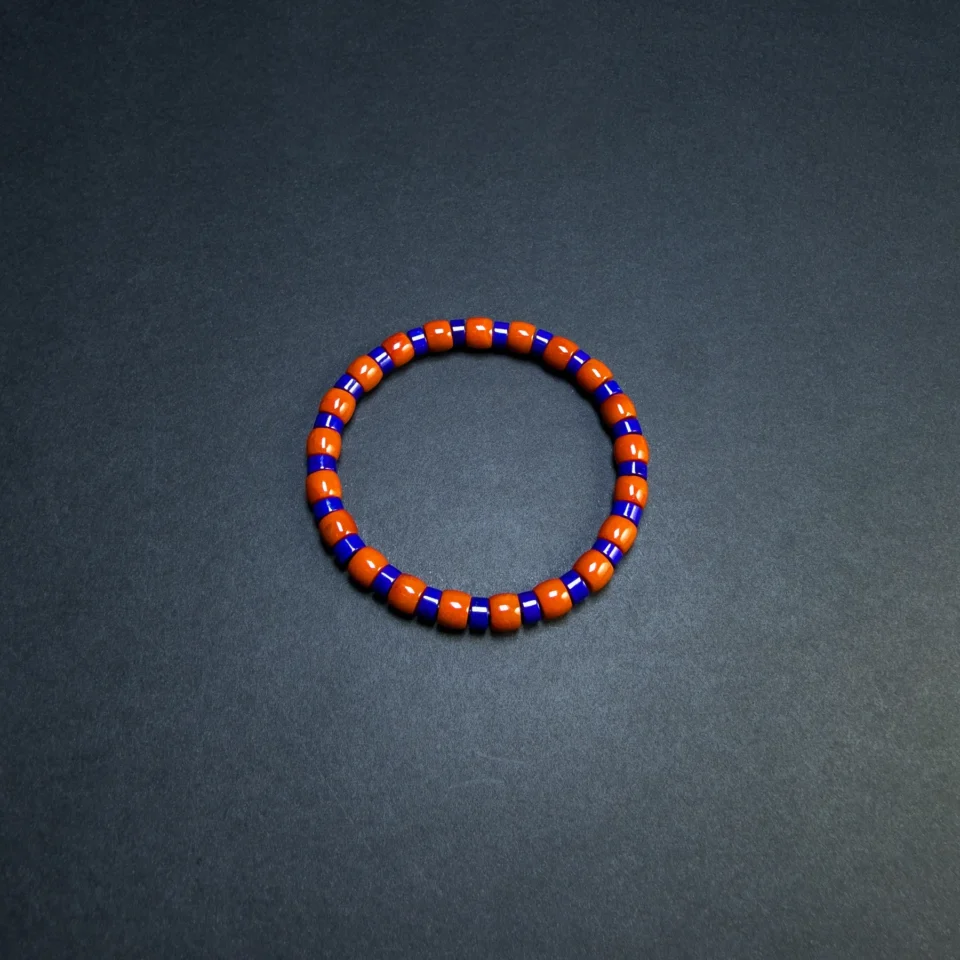
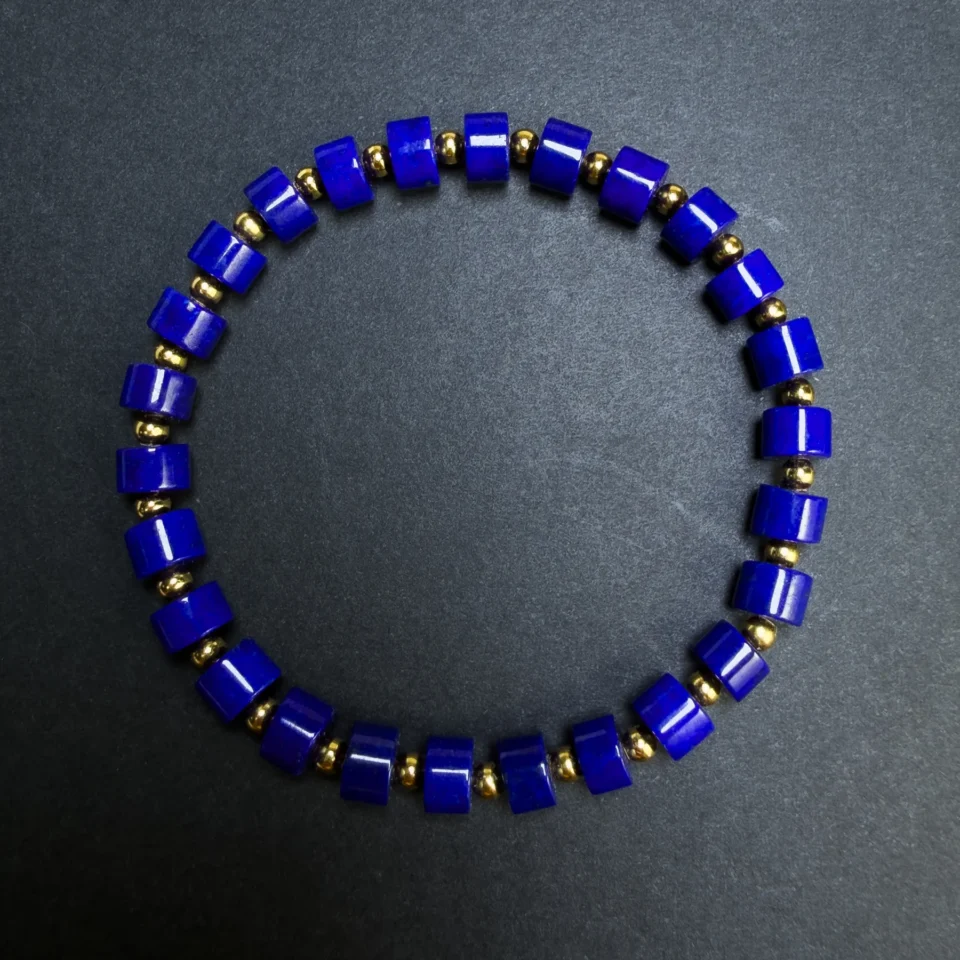
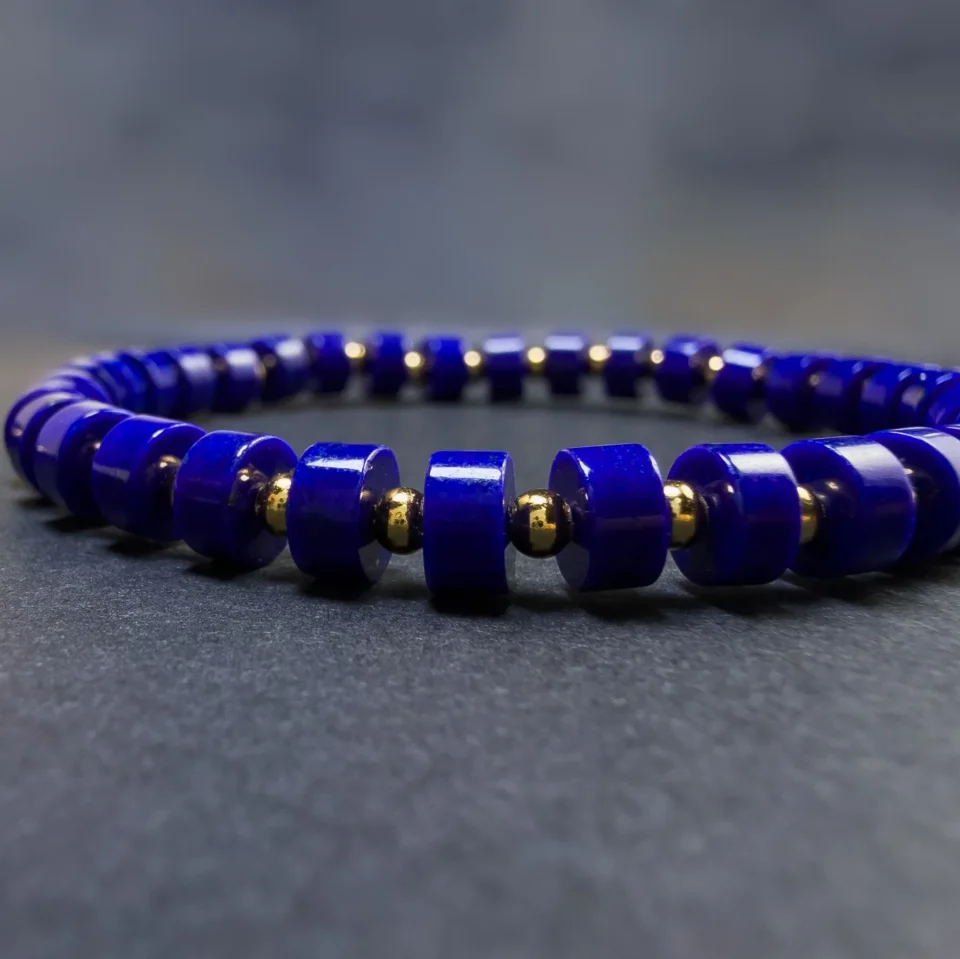
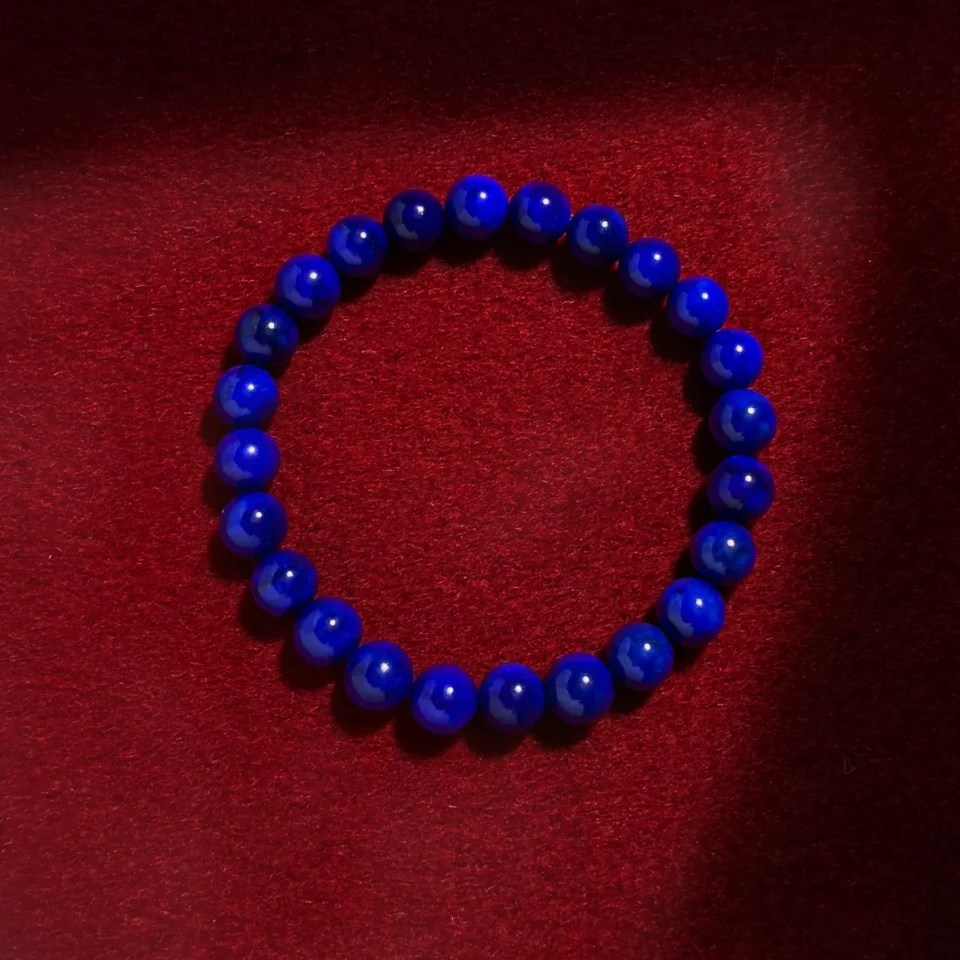
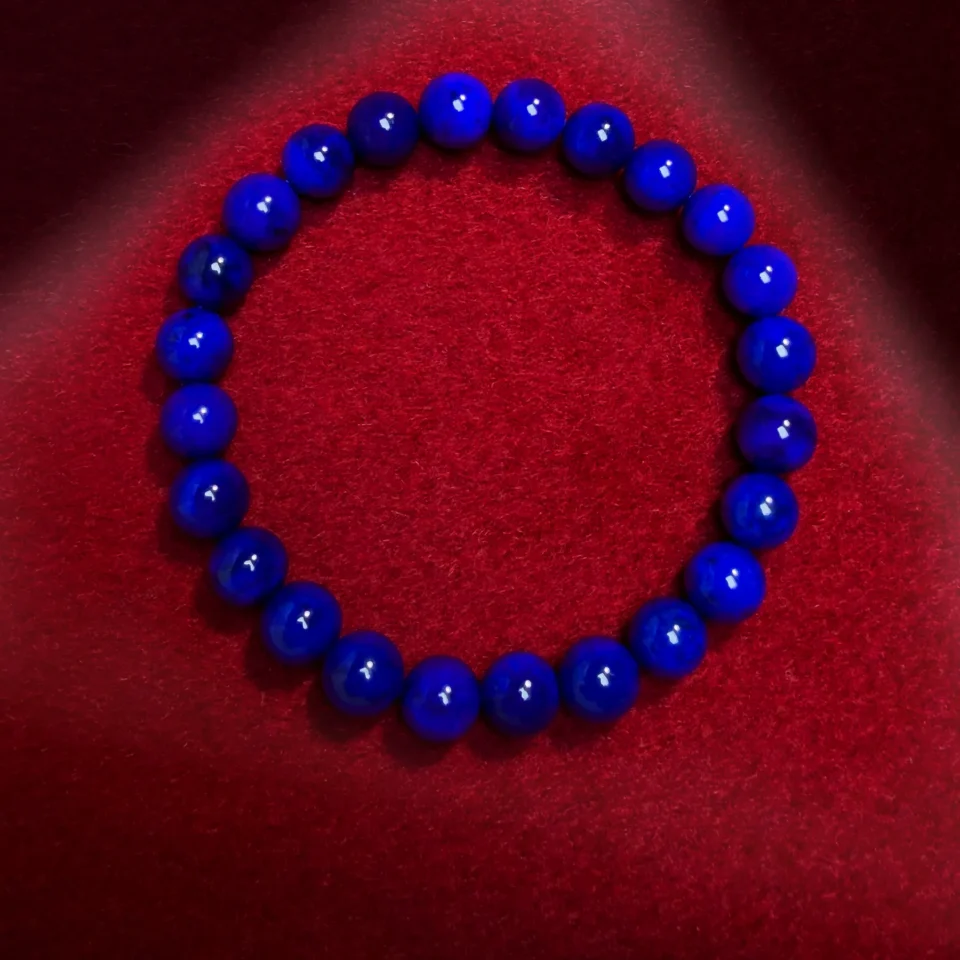
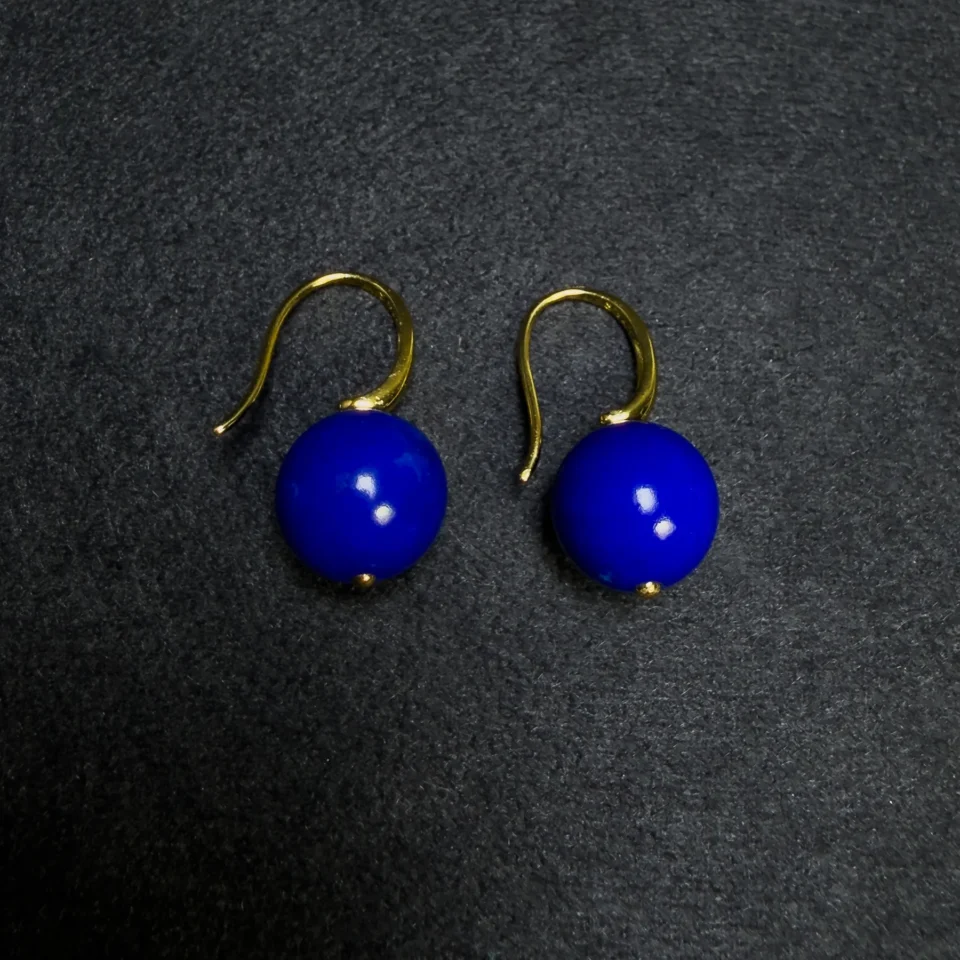
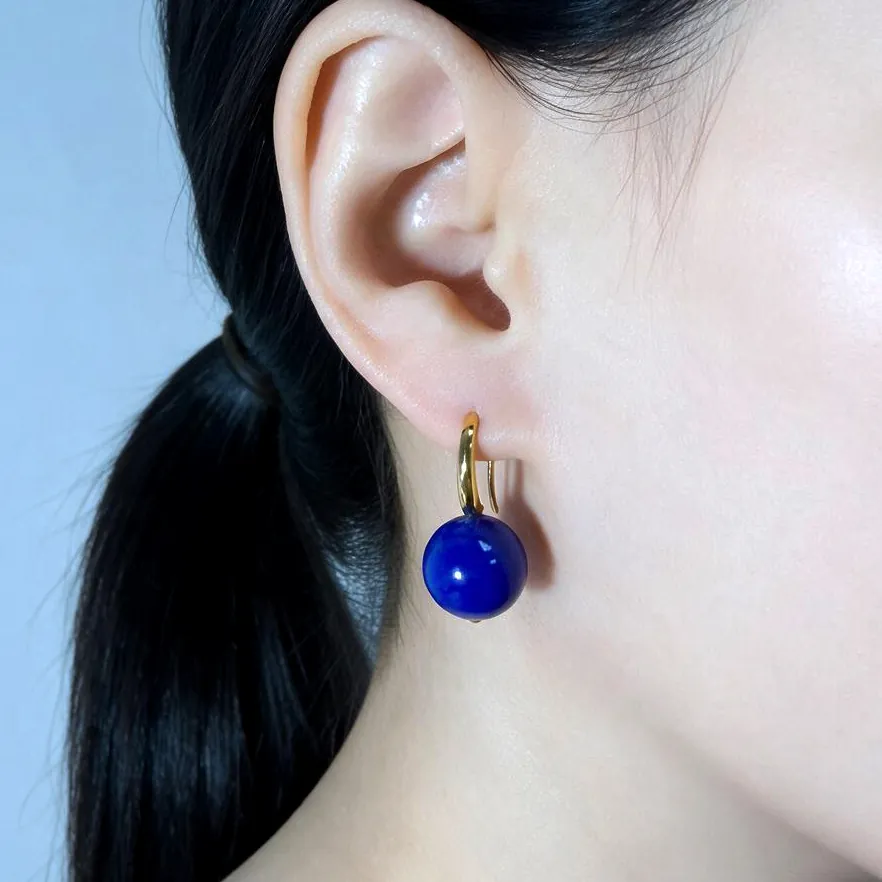
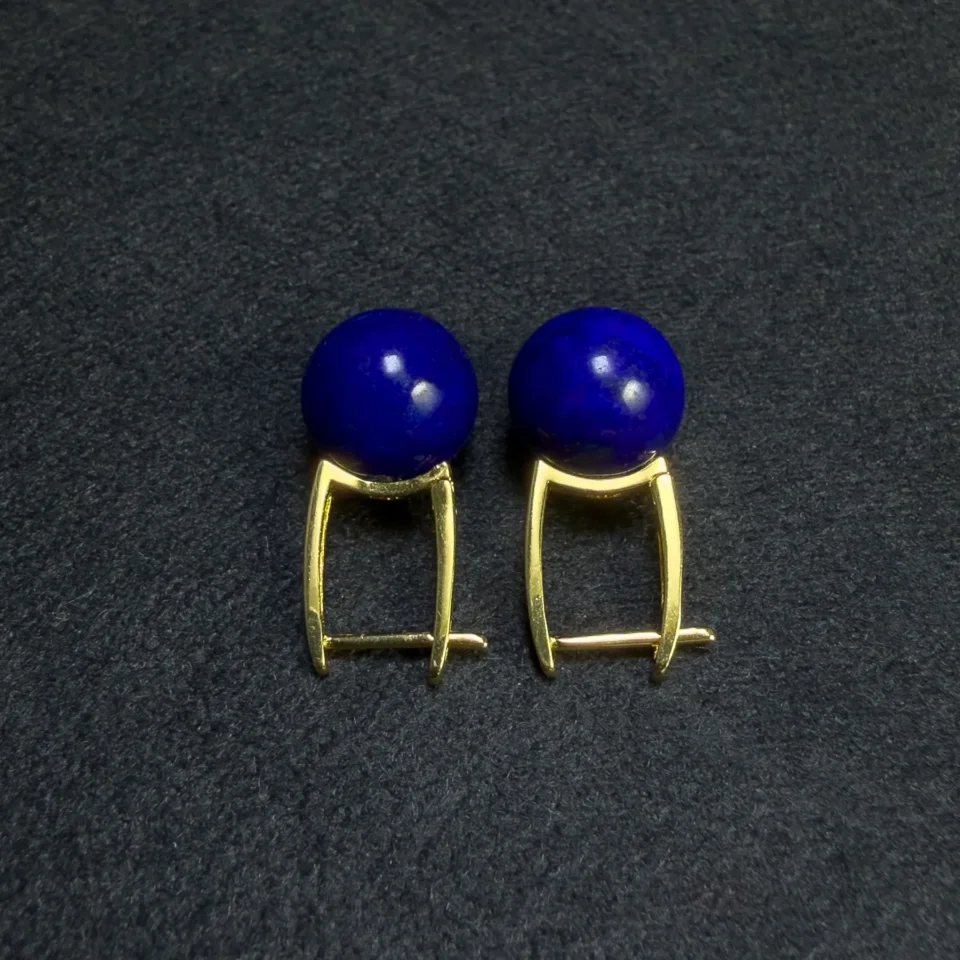
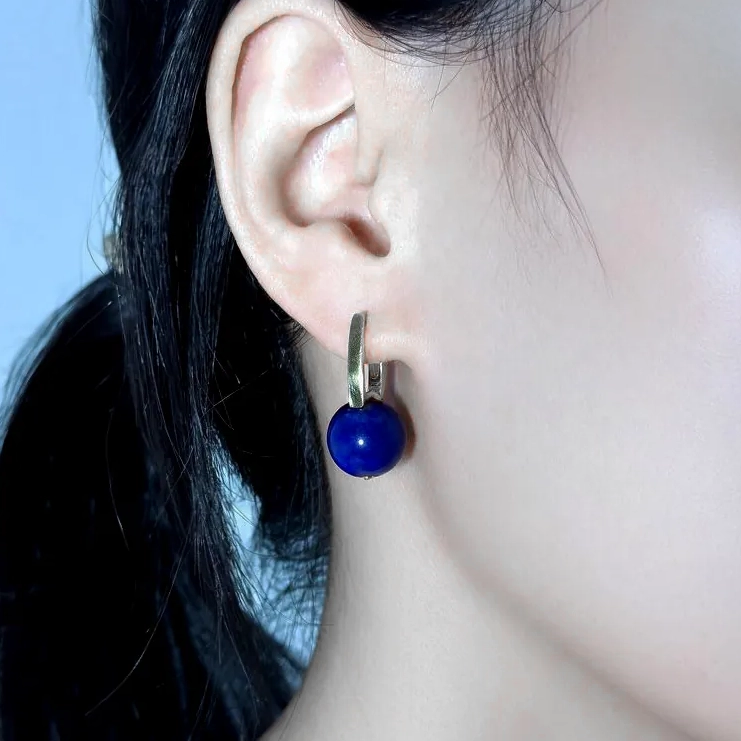
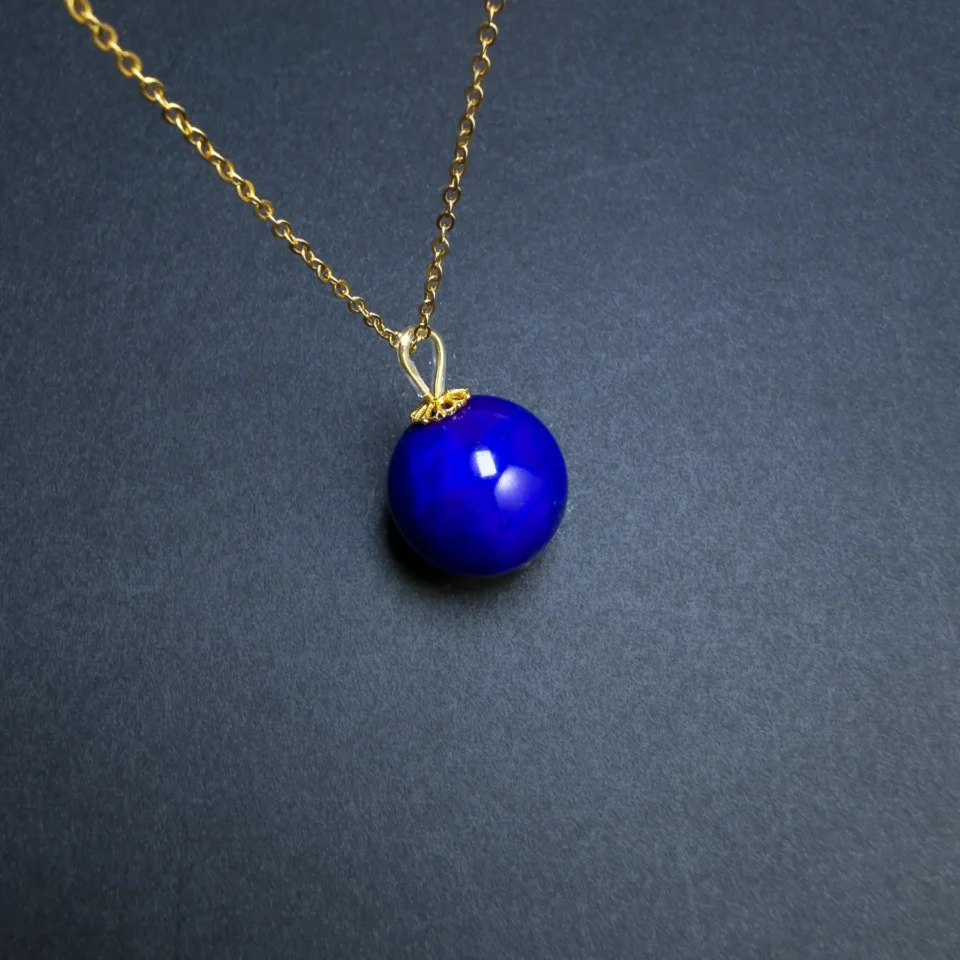
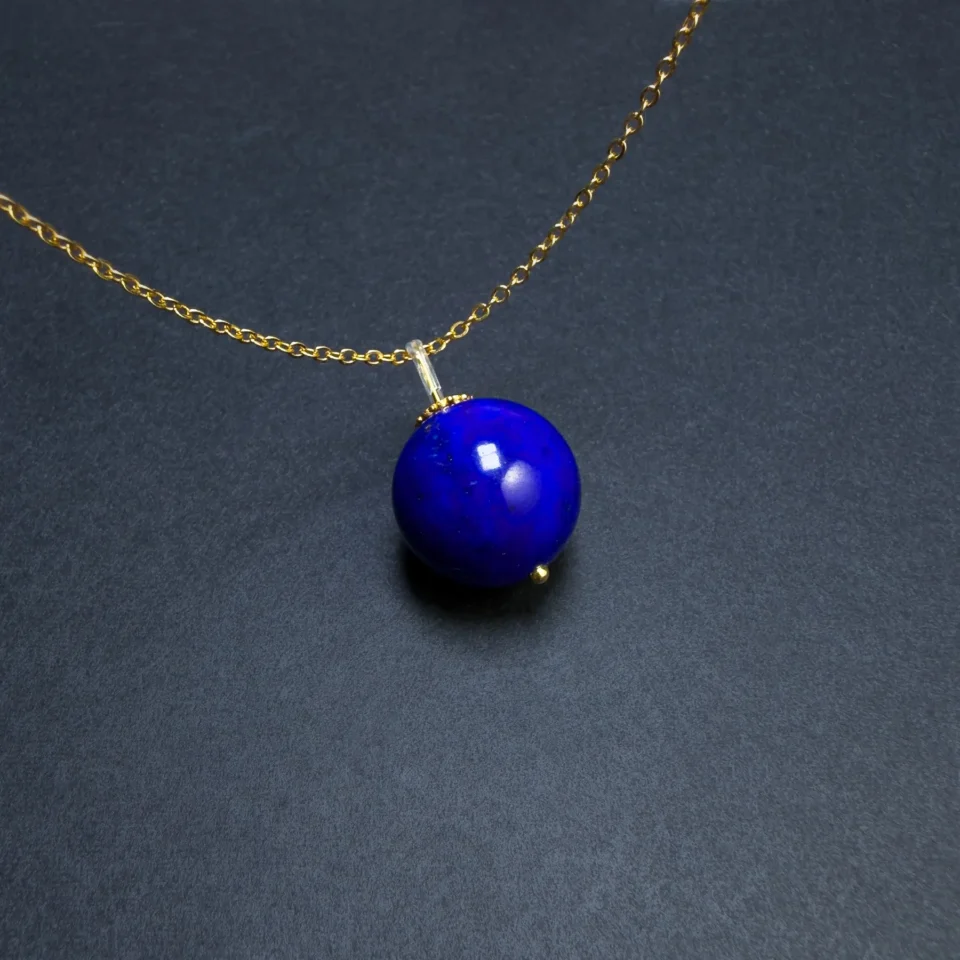
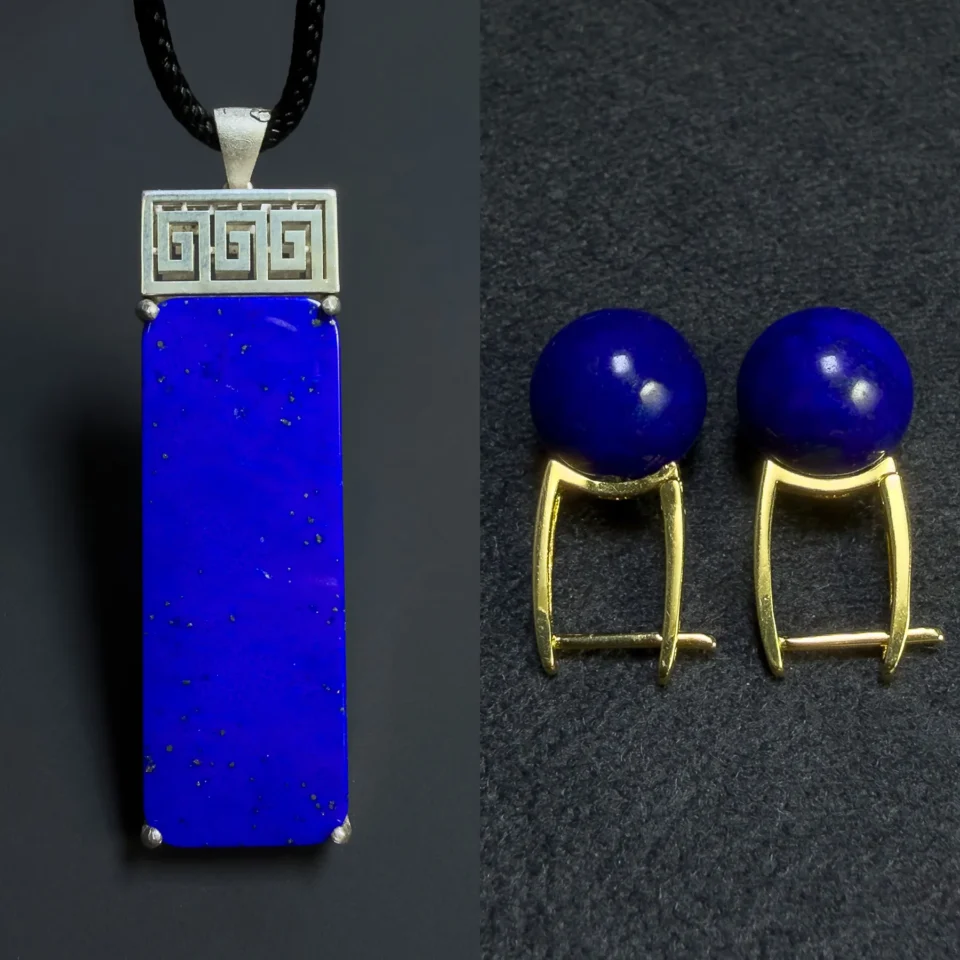
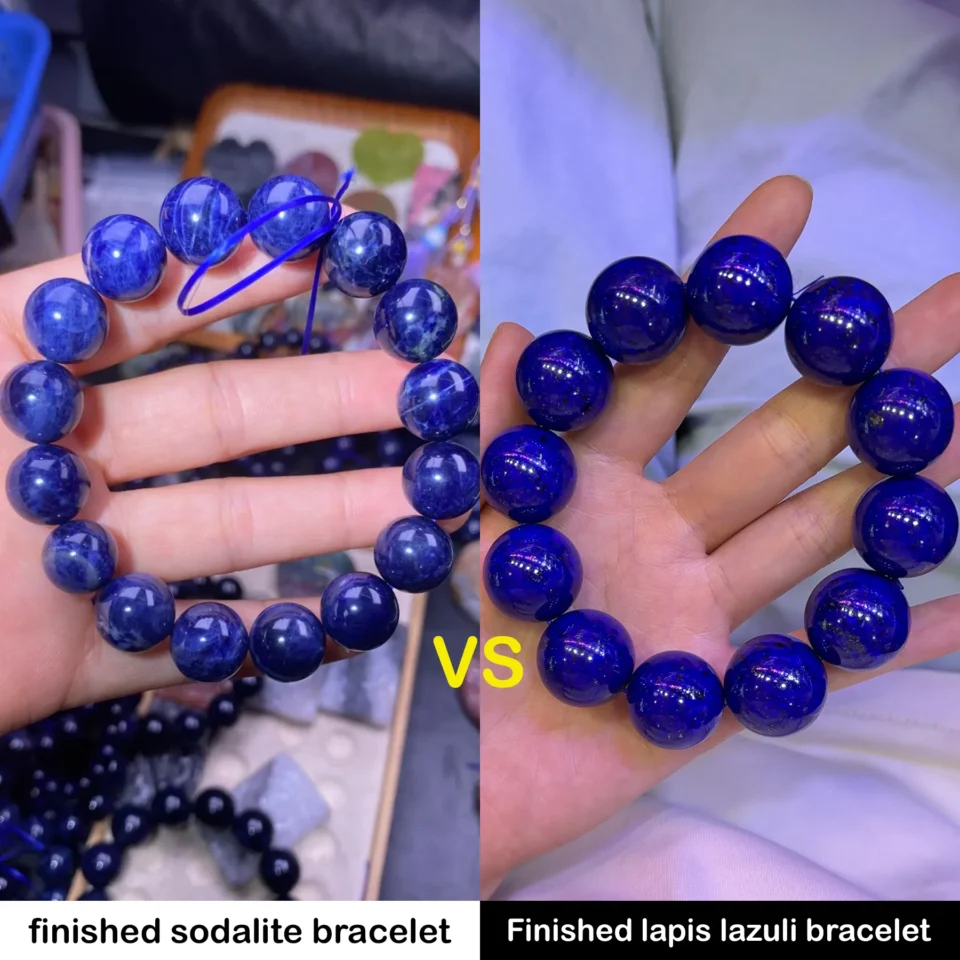
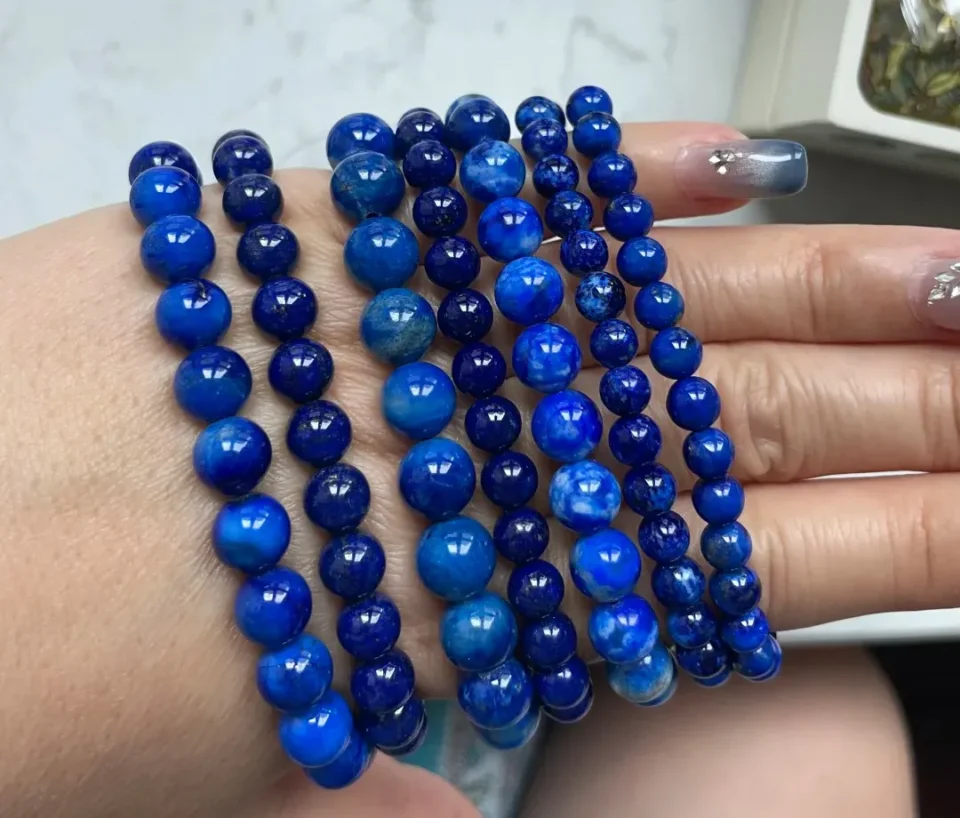
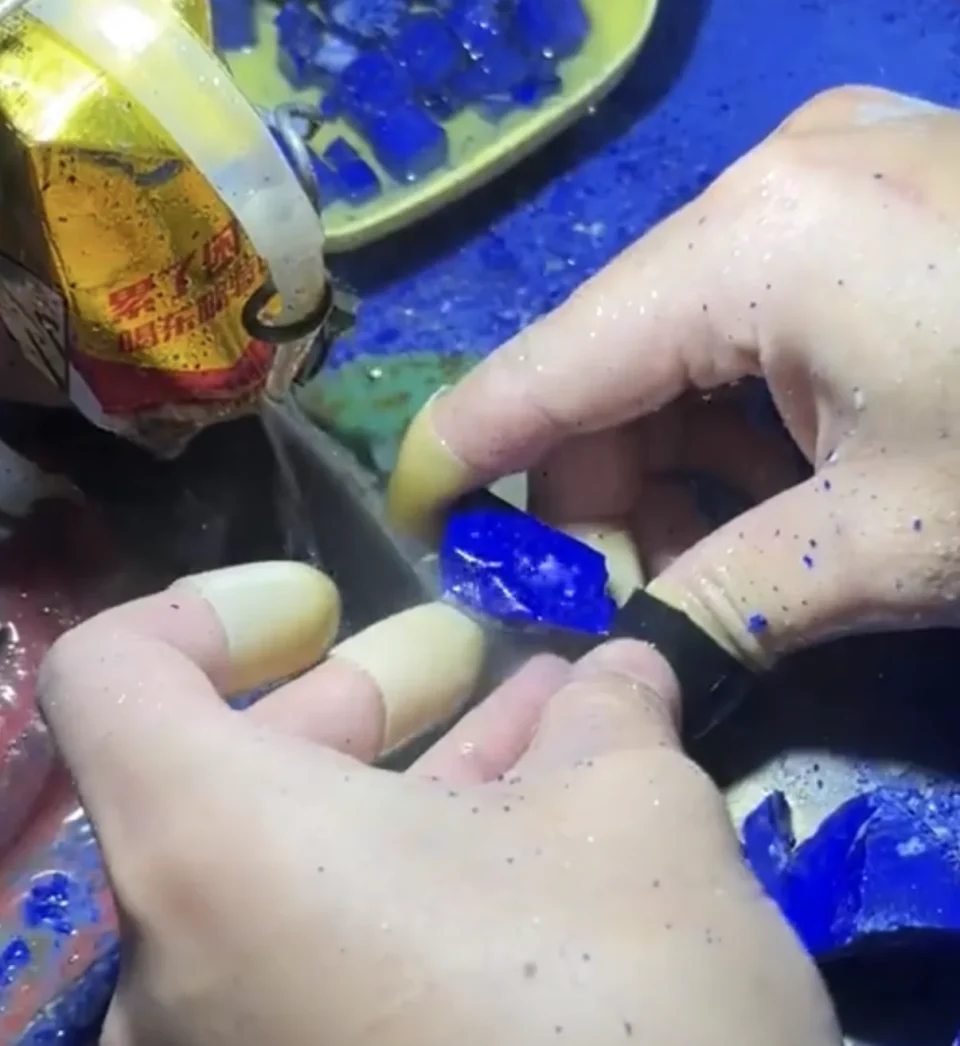
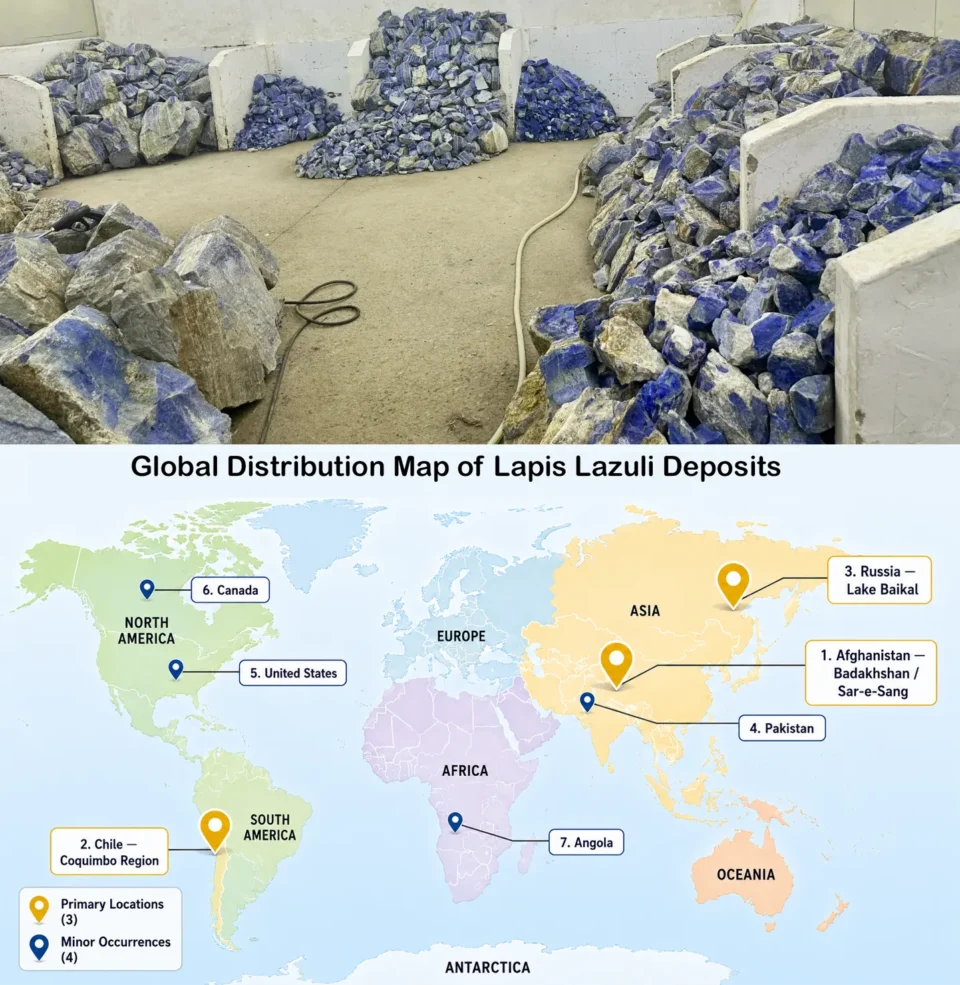
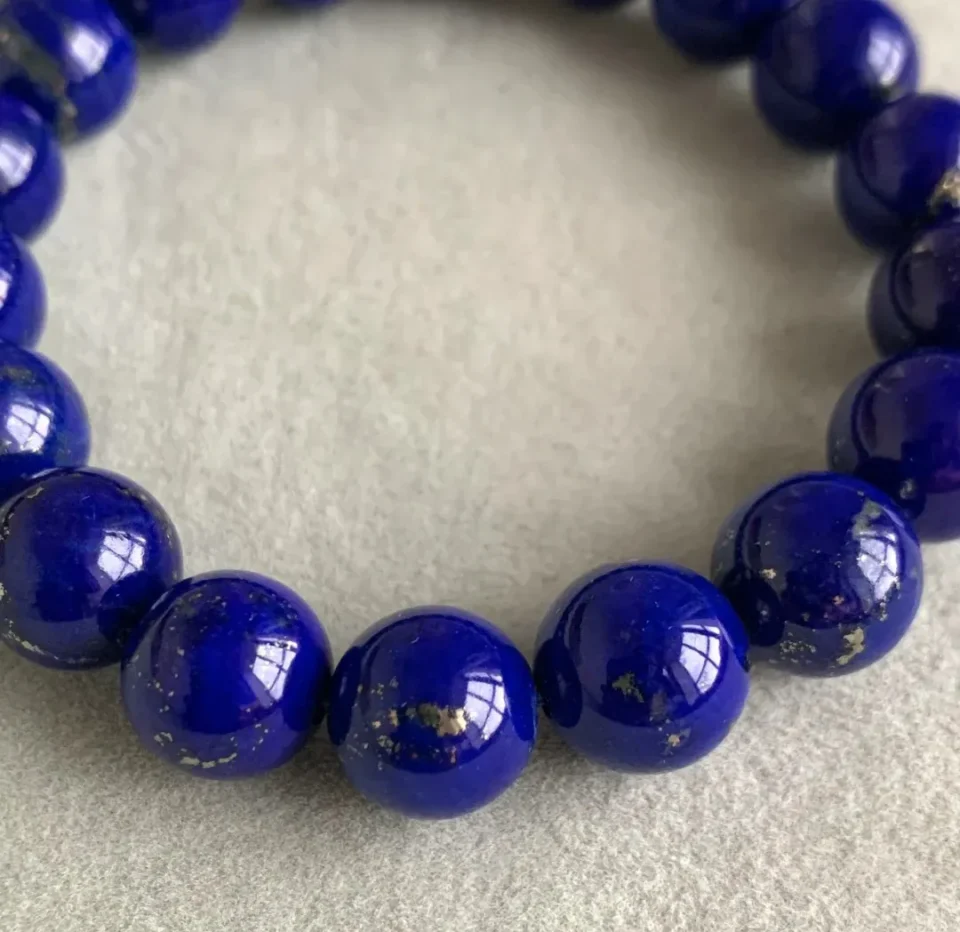
Scroll to explore
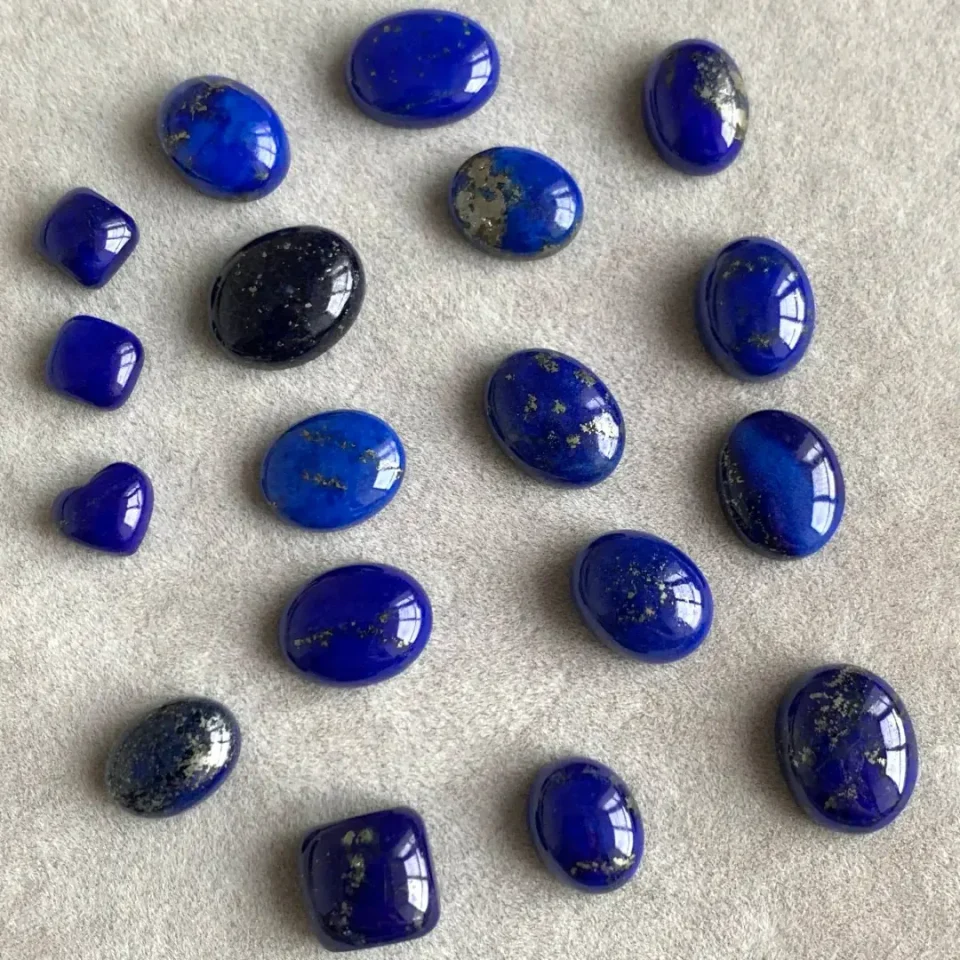
Lapis lazuli is a natural gemstone material with a history spanning thousands of years. Its rich, deep blue color is accented by naturally occurring white veining and golden pyrite flecks, as though the night sky, stars, and earth had been captured within a single stone. No two pieces of lapis lazuli have exactly the same color, pattern, or mineral distribution, giving each one a natural character that cannot be replicated.
Lapis lazuli is one of the earliest natural gemstone materials to have been treasured and used by humankind. Thousands of years ago, it was transported along ancient trade routes from Central Asia to Mesopotamia, ancient Egypt, Persia, and civilizations across both the East and the West.
In ancient Egypt, lapis lazuli was used to make beads, amulets, inlaid jewelry, and ornaments with religious significance. To ancient peoples, this deep blue material from distant lands was not only precious but also evocative of the sky, rivers, the divine, and eternity.
Lapis lazuli was also highly prized by the ancient civilizations of Persia, Greece, Rome, and China. It became a symbol of status, wealth, and cultural exchange, entering new regions and artistic traditions as it traveled along ancient trade routes.
Few natural materials possess an intense blue color while also being suitable for jewelry. Lapis lazuli can range from bright royal blue to deep violet-blue, and its rich, opaque color gives it a distinctive visual identity.
This blue can appear dignified and mysterious while also conveying a sense of calm, reason, and modernity. Its versatility has allowed lapis lazuli to remain admired across different cultures and periods of history.
Lapis lazuli is not a single mineral with a uniform composition. It is a natural rock composed of several minerals. It primarily contains lazurite, which gives the stone its blue color, and may also contain white calcite and golden pyrite.
These minerals create different colors, markings, and patterns as the stone forms naturally. Even pieces cut from the same rough material can have noticeably different appearances. These natural variations are not imperfections but part of what gives each gemstone its unique identity.
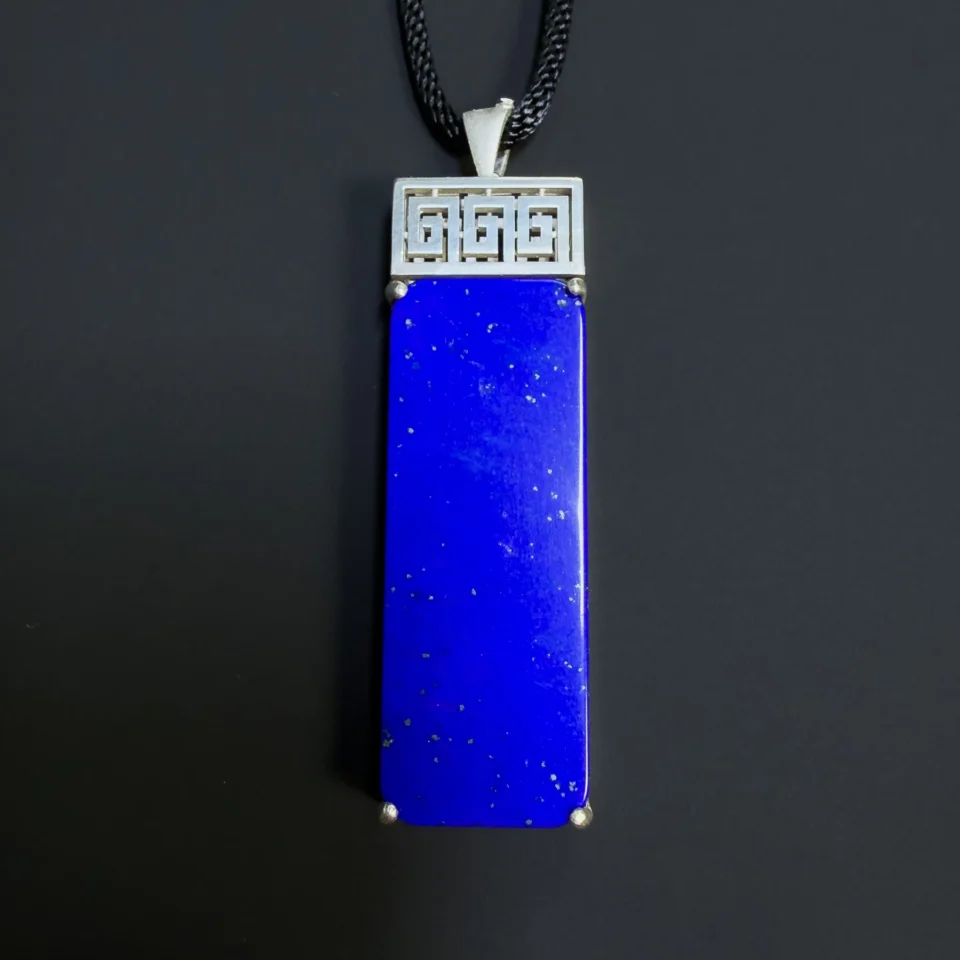
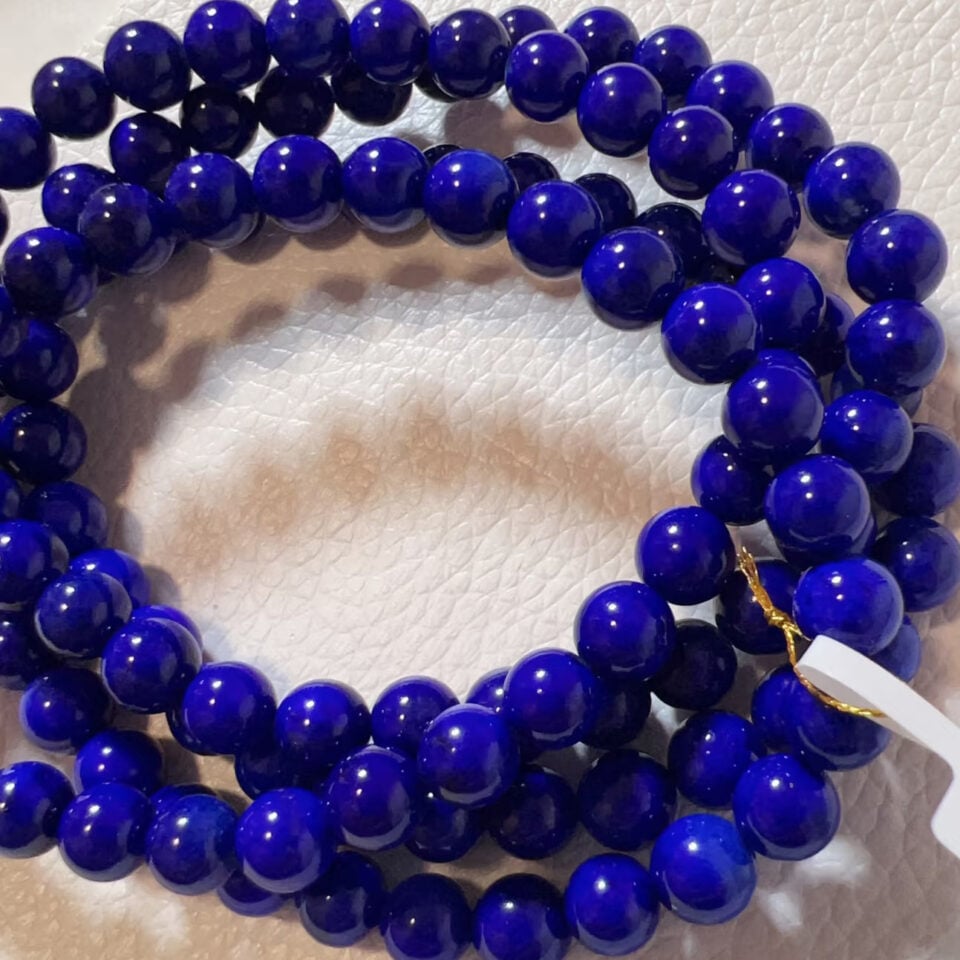
Lapis lazuli with a rich, evenly distributed blue color and less visible white calcite is generally more highly valued in the jewelry market. Small, naturally distributed flecks of golden pyrite can create an effect reminiscent of stars in the night sky.
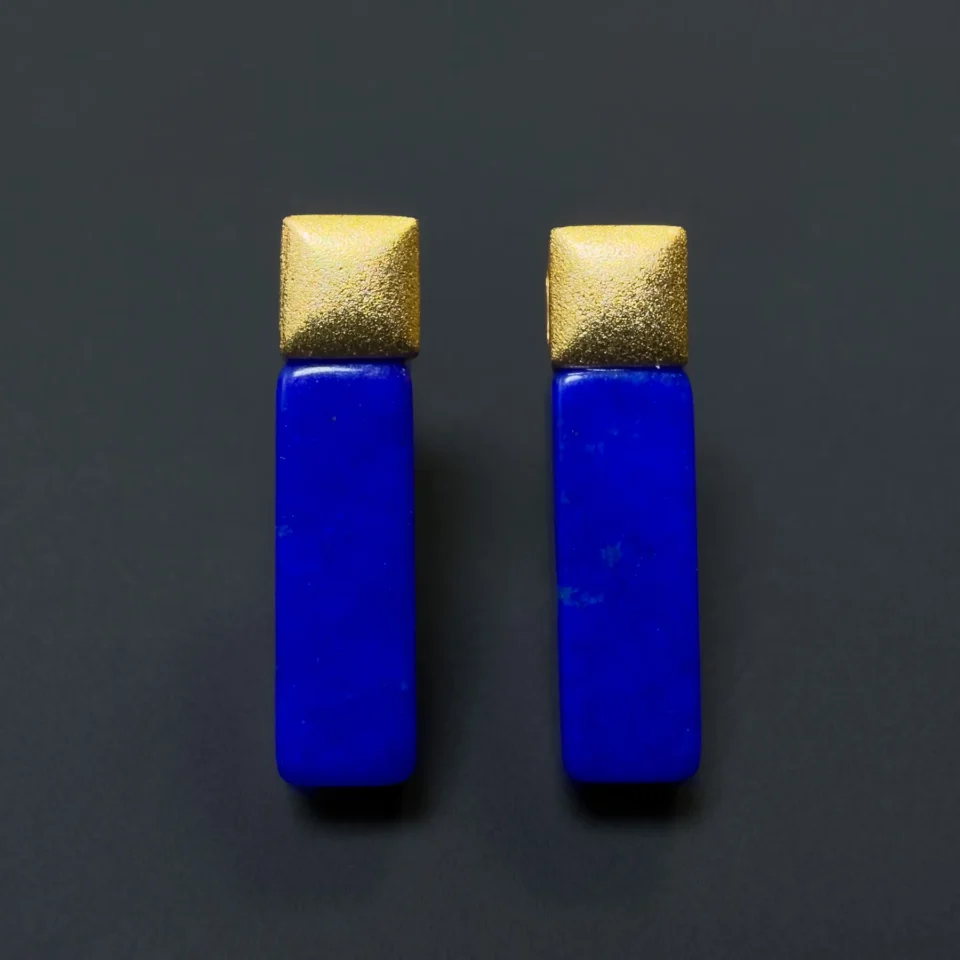
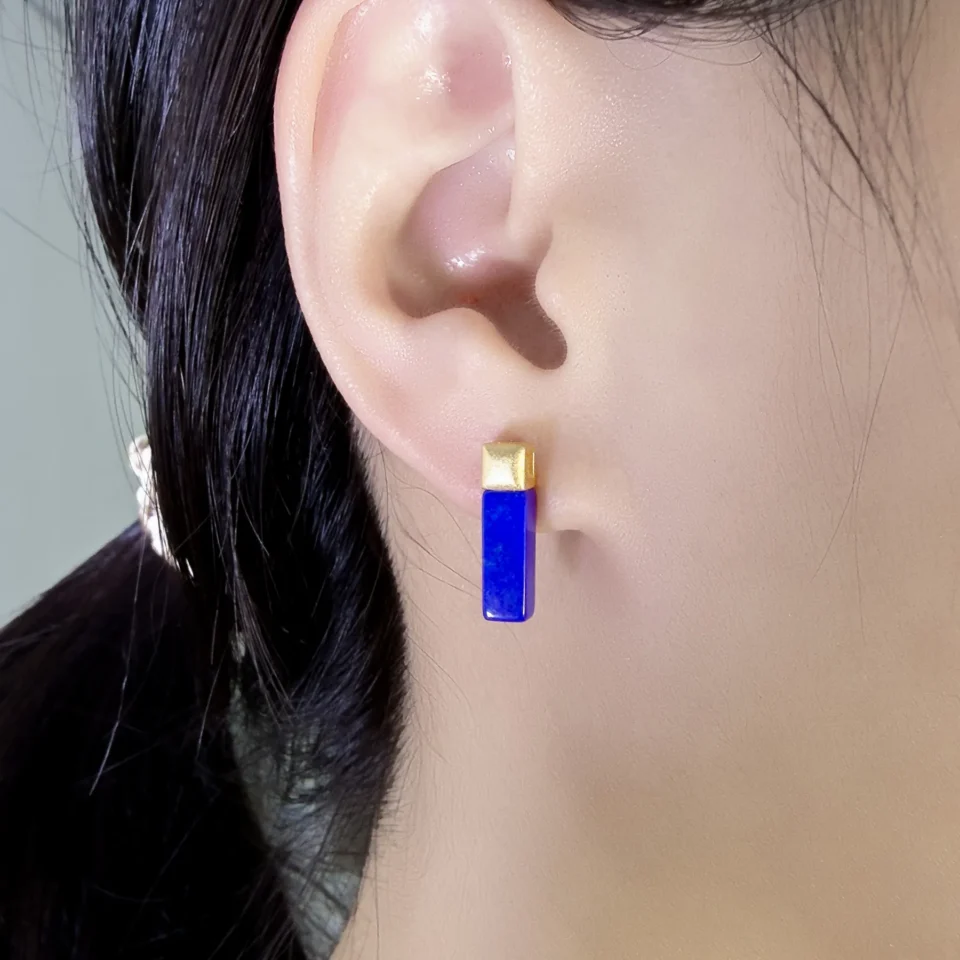
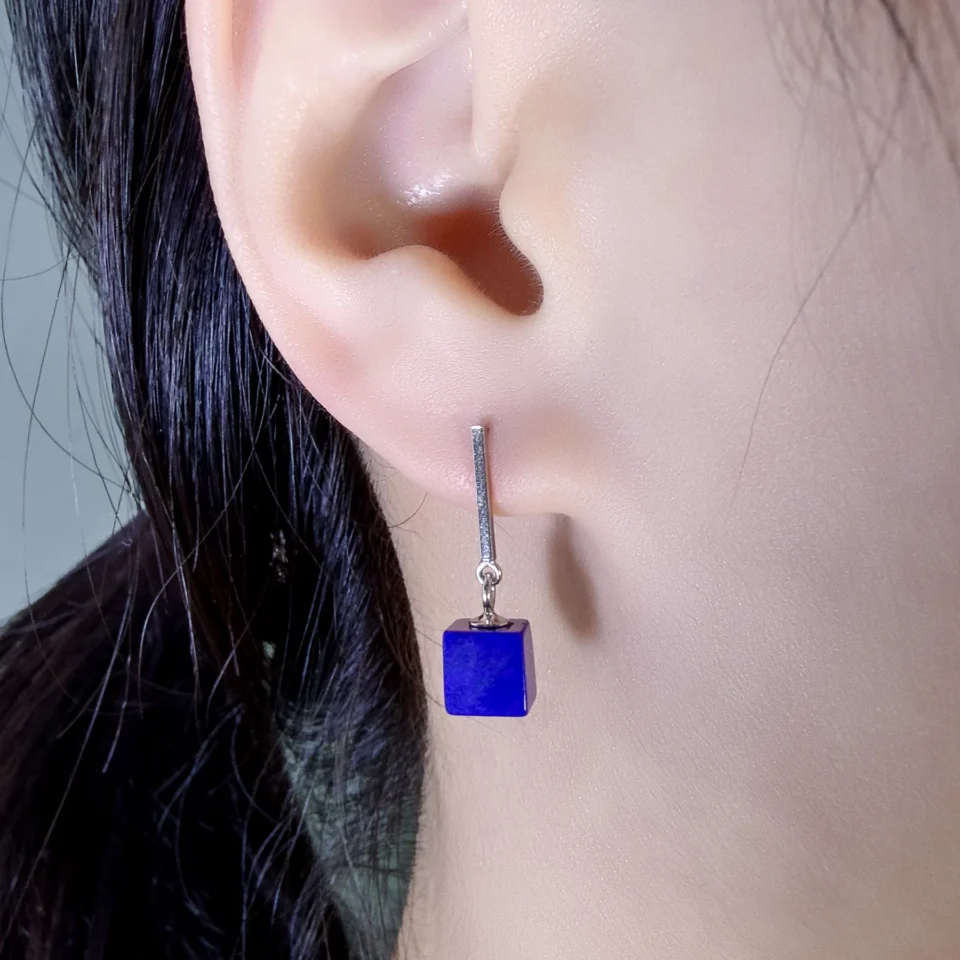
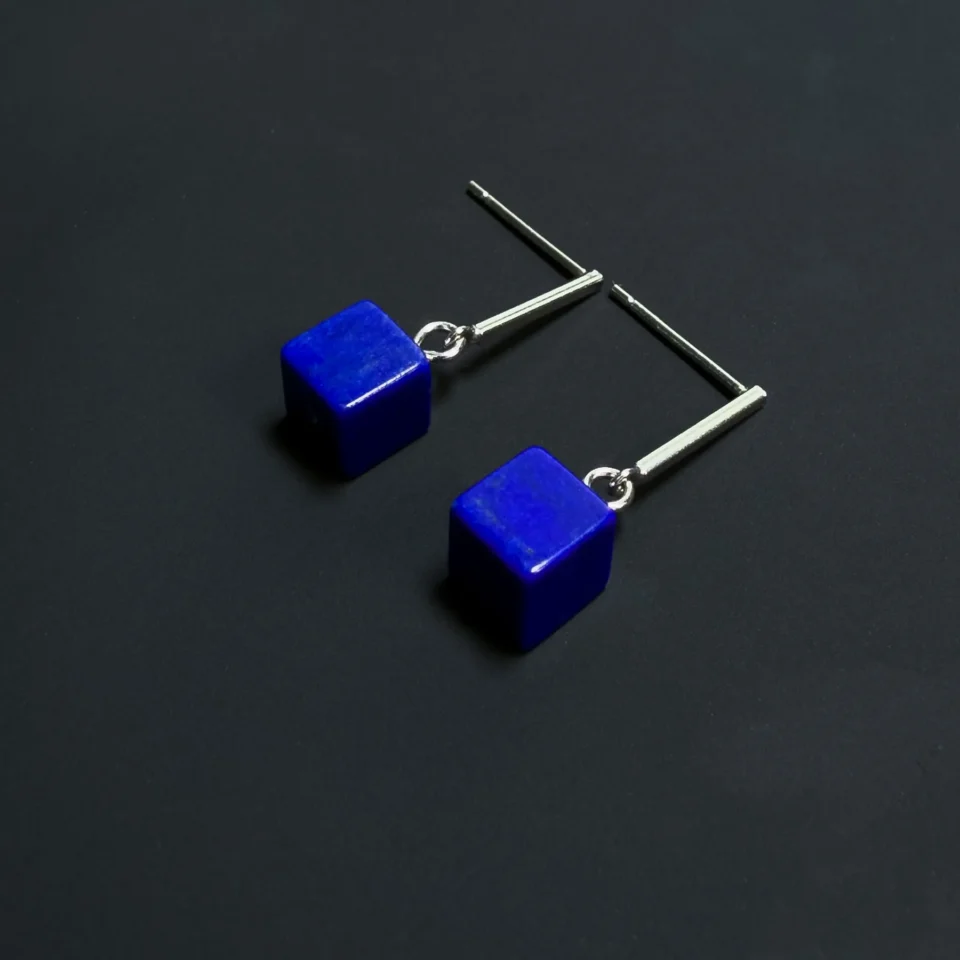
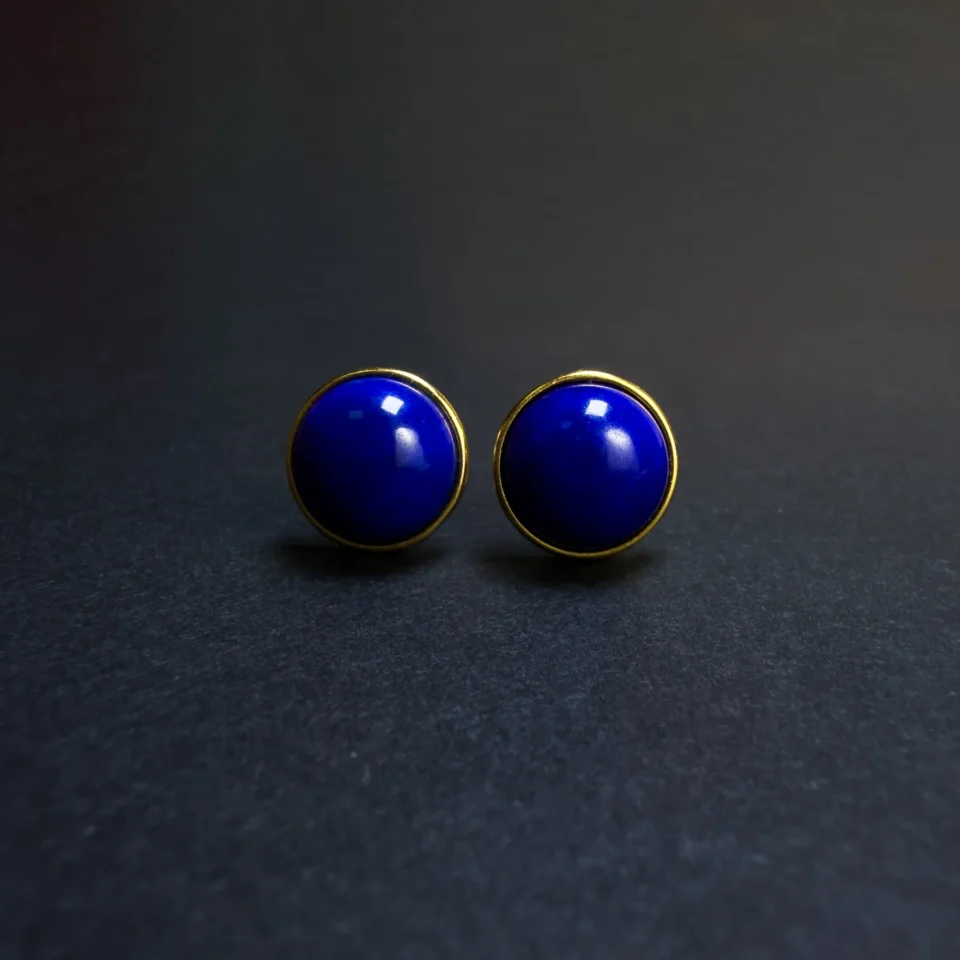
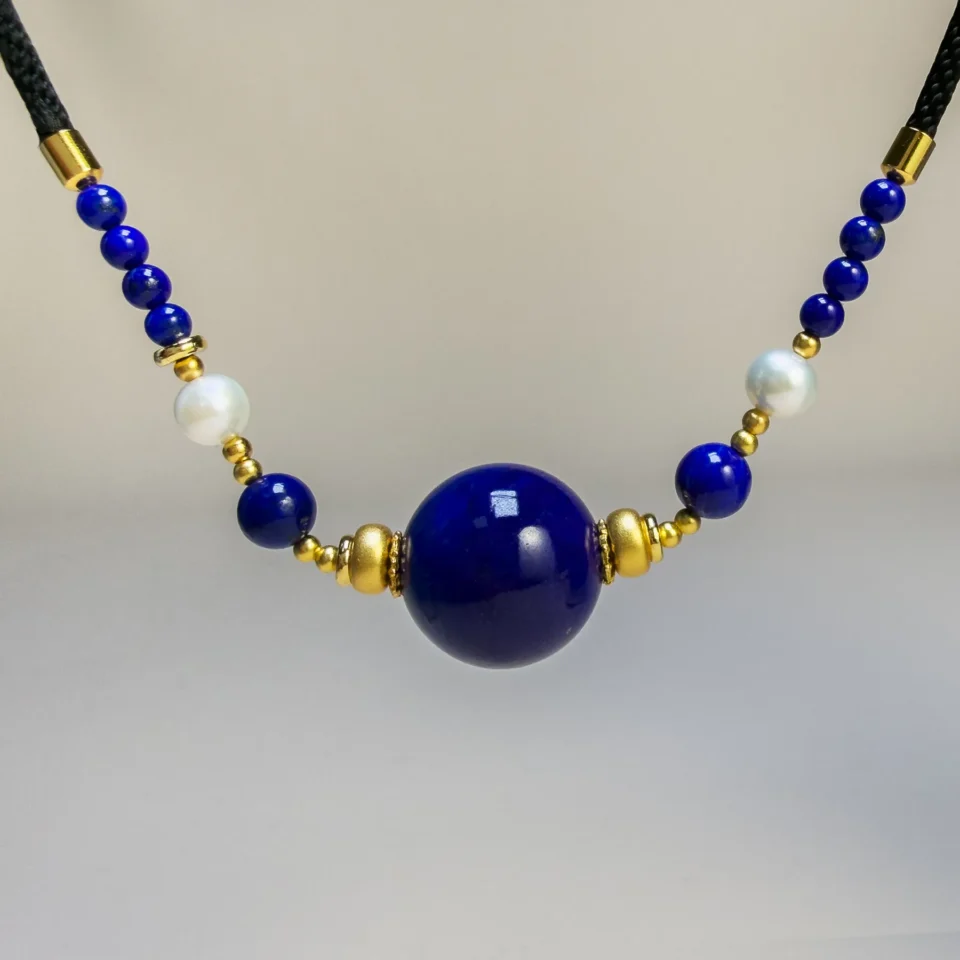
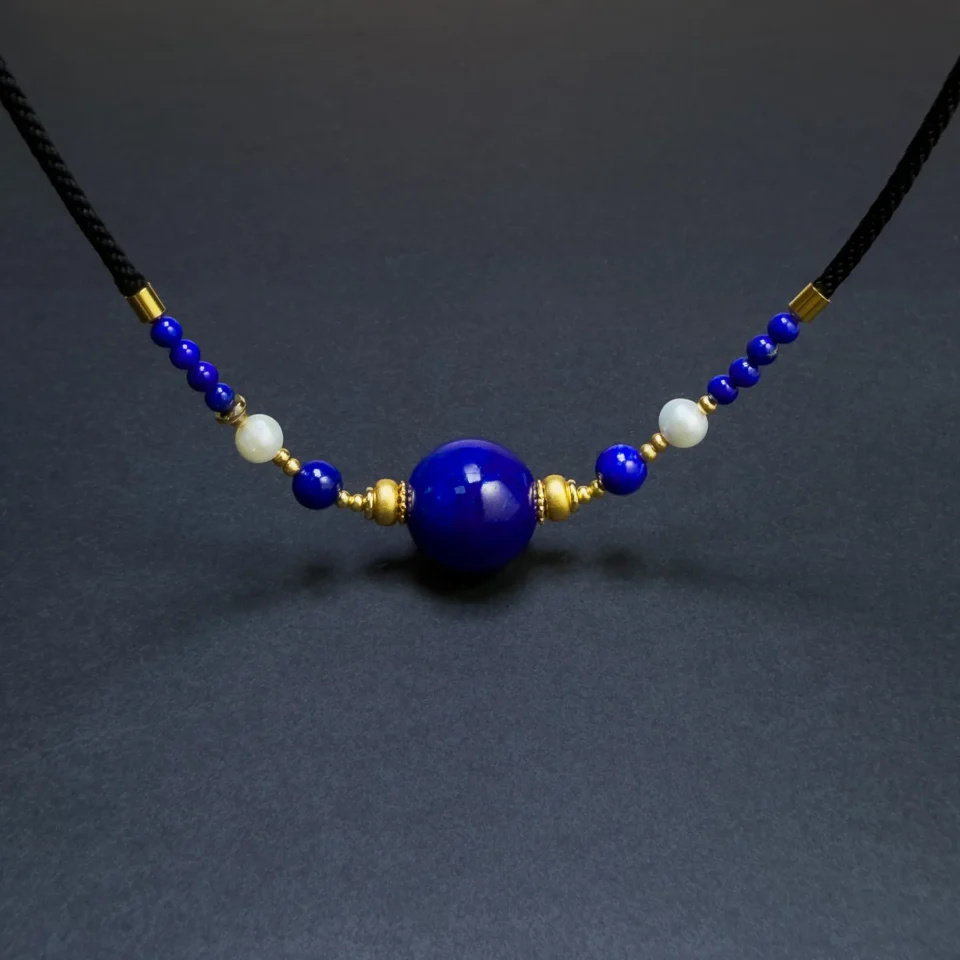
When paired with gold-toned metals, the deep blue of lapis lazuli creates a striking contrast that feels luxurious, warm, and rich in history. When paired with silver-toned metals, it takes on a cleaner, calmer, and more contemporary appearance.
This versatility makes lapis lazuli suitable for pendants, earrings, necklaces, bracelets, rings, and beaded jewelry. It can also complement minimalist, vintage, artistic, and culturally inspired designs.
Unlike diamonds, crystals, or transparent colored gemstones, the beauty of lapis lazuli does not primarily come from transparency or intense brilliance. Instead, its appeal lies in its saturated natural blue color, smooth surface luster, and distinctive patterns.
It has a quiet yet confident visual presence. Even without complex faceting, lapis lazuli can become the focal point of a piece of jewelry. This is one of the reasons lapis lazuli jewelry is so easily recognizable.
Across different historical, cultural, and modern spiritual traditions, lapis lazuli has been associated with a variety of symbolic meanings, including:
These meanings have developed through long-standing cultural traditions and emotional associations with the color blue. They are not scientifically measurable physical properties of lapis lazuli itself.
For modern wearers, lapis lazuli can serve as a personal symbol—a reminder to remain clear-minded, stay true to oneself, communicate honestly, or preserve a sense of calm amid the demands of everyday life.
When “benefits” are understood as the experience and emotional value of wearing jewelry, the meaning of lapis lazuli comes primarily from its color, cultural symbolism, and the personal connection between the wearer and the piece.
Some wearers find that lapis lazuli evokes feelings of calm, focus, confidence, or emotional comfort. Wearing a piece of jewelry as a symbol of personal beliefs, meaningful memories, or life goals may also serve as a positive psychological reminder.
Lapis lazuli is also commonly associated with wisdom, intuition, communication, mental clarity, and emotional healing. However, these associations belong to traditional beliefs, cultural symbolism, and individual experiences.
The distinctive history, natural patterns, and symbolic meaning of lapis lazuli make it a thoughtful gift for birthdays, anniversaries, and other important occasions. It is not only a beautiful piece of jewelry for everyday wear but can also carry blessings, memories, and emotional meaning between people.
In some traditional or alternative birthstone systems, lapis lazuli is associated with September. However, sapphire is generally recognized as the modern mainstream birthstone for September. It is therefore more accurate to describe lapis lazuli as a “traditional or alternative September birthstone” rather than simply calling it “the September birthstone.”
Lapis lazuli has a hardness of approximately 5 to 6 on the Mohs scale, making it softer than gemstones such as sapphire and quartz. It should therefore be protected from impacts, abrasion, and contact with sharp objects. Rings and bracelets are especially likely to experience knocks during everyday wear and require more careful handling than earrings or pendants.
Avoid prolonged contact with perfume, alcohol, cleaning products, cosmetics, and other chemicals. To clean lapis lazuli jewelry, gently wipe it with a soft, dry or slightly damp cloth. Do not use ultrasonic cleaners, steam cleaners, or harsh chemical jewelry-cleaning products.
With proper wear, care, and storage, lapis lazuli can retain its beautiful color and luster for many years.
FIRST ORDER
Your email is used only to verify eligibility and apply this offer. It does not subscribe you to marketing emails.