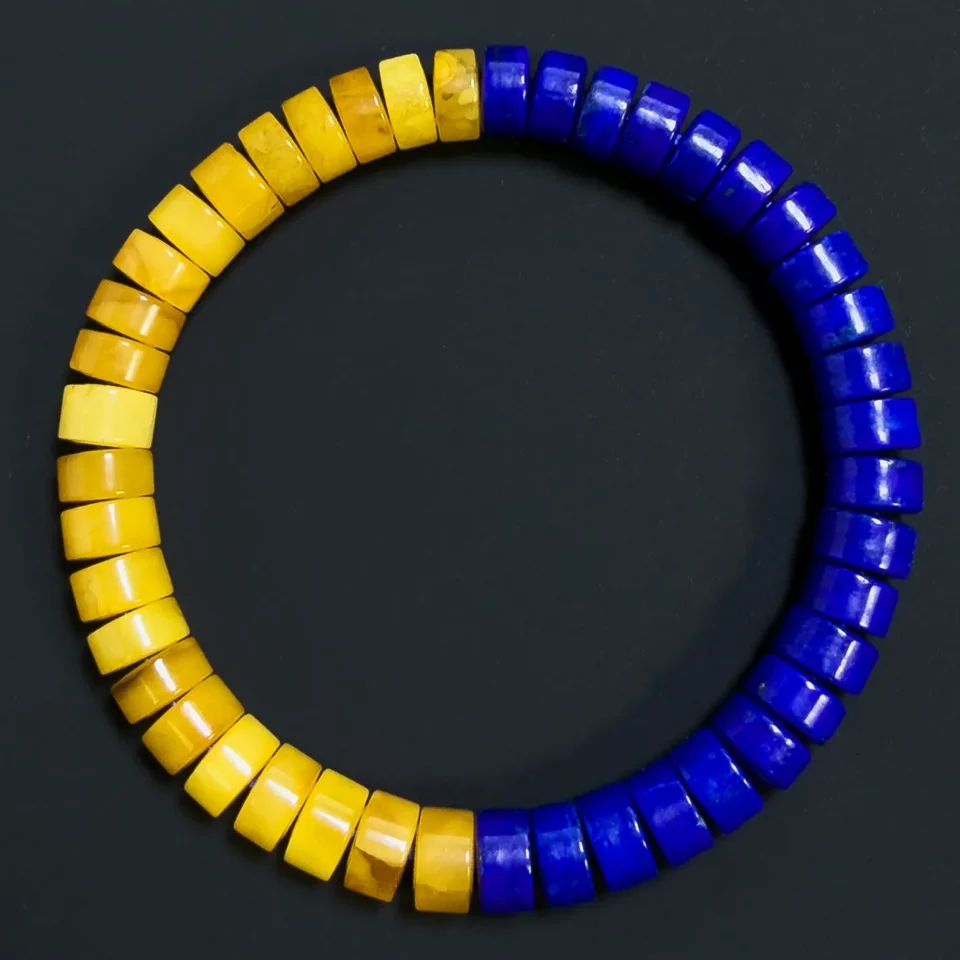
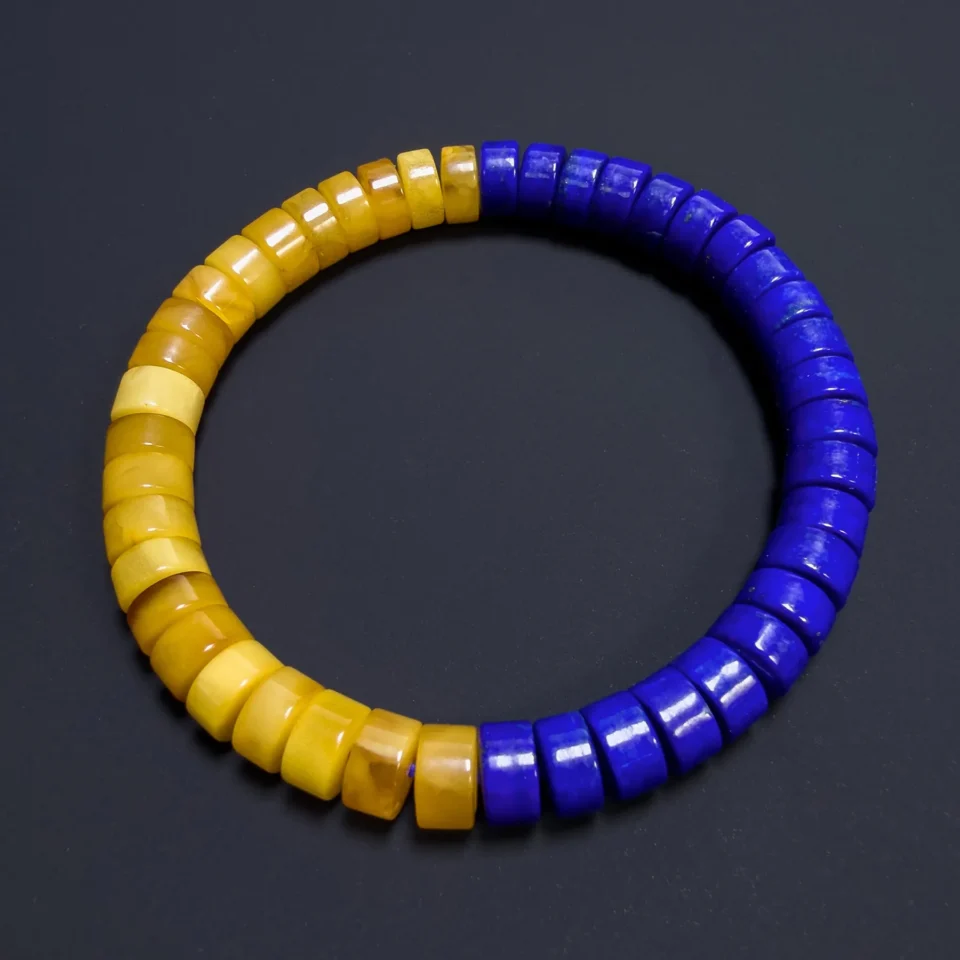
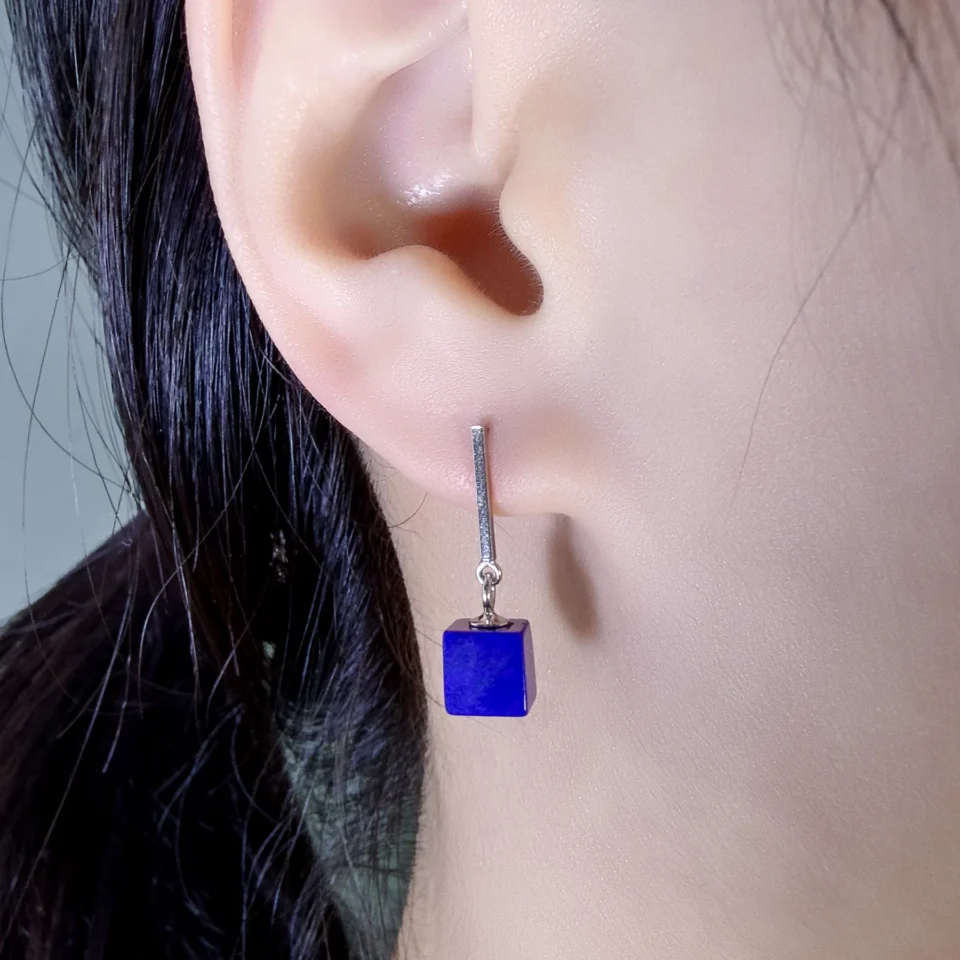
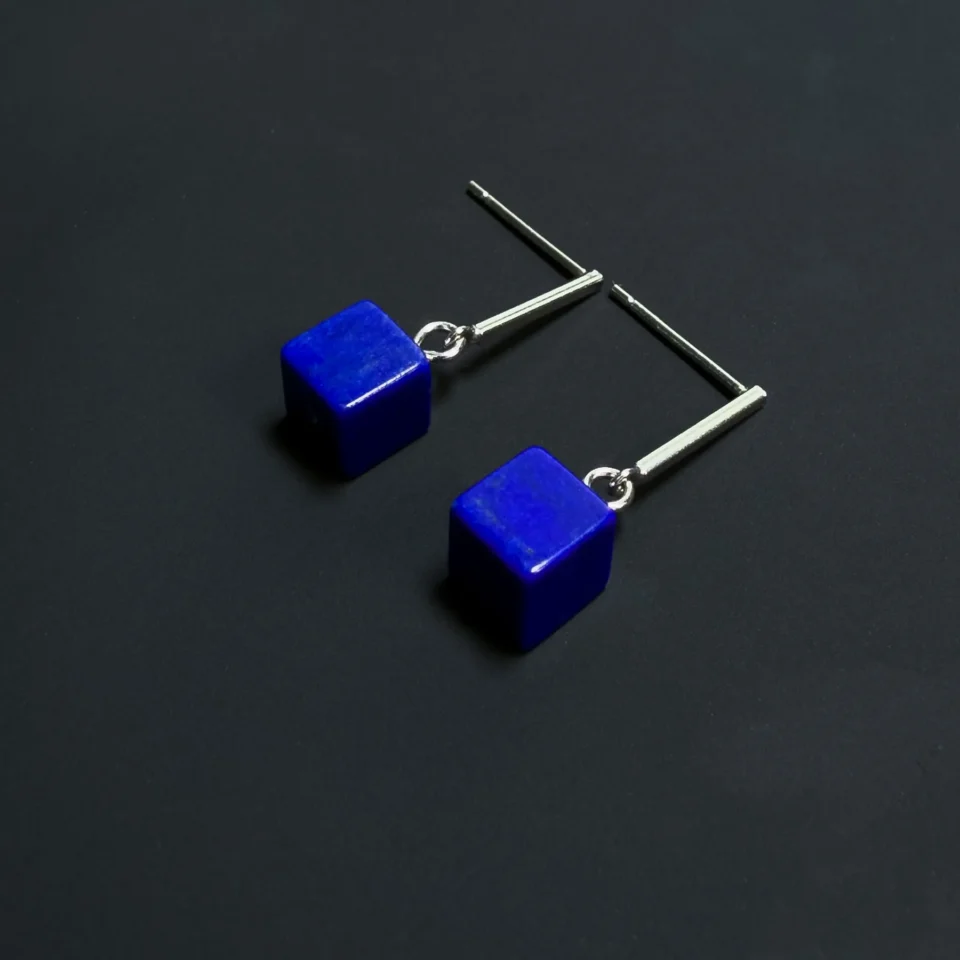
Lapis lazuli has a more complicated birthstone history than many short gift guides suggest. On GIA’s current birthstone list, sapphire is the September birthstone. The International Gem Society, however, records lapis lazuli as a traditional December birthstone, while the International Colored Gemstone Association lists “Sapphire or Lapis Lazuli” for September.
So the honest answer is simple: lapis lazuli does not belong to one universal birthstone system. Its month depends on the tradition being used. That does not make it a poor birthday gift. It means the meaning of the gift should be explained accurately rather than reduced to a single modern list.
This guide separates three different ideas that are often mixed together: what history can actually show us about lapis, what modern jewelry culture commonly associates with the stone, and what belongs to spiritual belief. It then turns those ideas into something practical: how to choose a lapis lazuli birthday gift that looks good, wears well, and suits the person receiving it.
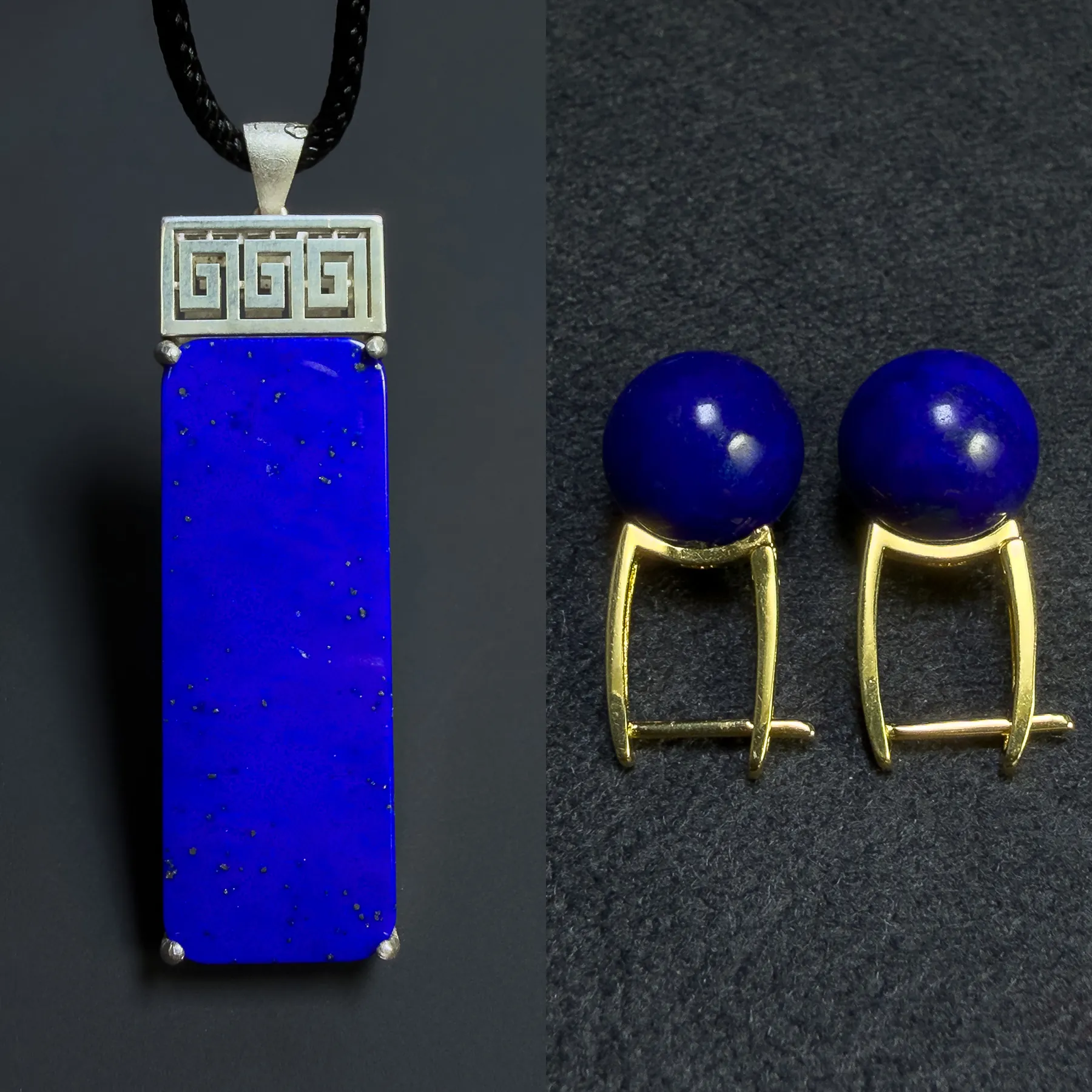
Is Lapis Lazuli a September or December Birthstone?
Both answers appear online because birthstone lists were created and revised in different places and periods. Birthstones are cultural and commercial traditions, not mineralogical classifications. There is no laboratory test that makes a stone “September” or “December.”
| Birthstone system / source | September | December |
|---|---|---|
| GIA current birthstone guide | Sapphire | Turquoise / tanzanite / zircon on GIA’s modern guide |
| International Gem Society | Modern September emphasis: sapphire | Traditional: lapis lazuli and turquoise |
| International Colored Gemstone Association | Sapphire or lapis lazuli | Different regional/traditional systems may vary |
For a buyer, the useful rule is not to argue that one list is the only correct one. If the recipient was born in September, lapis has support in some gemstone traditions, while sapphire is the clearest choice on the current GIA list. If the recipient was born in December, lapis has a strong traditional connection even though many modern lists now emphasize transparent blue gems such as zircon, topaz, and tanzanite.
Why Are Lapis Lazuli and Sapphire Both Connected with September?
Part of the confusion is older than modern birthstone marketing. GIA notes that the word sapphire comes from the Greek sappheiros, a term that probably referred to lapis lazuli. In other words, an ancient blue-gem name did not always map neatly onto today’s gemological definition of sapphire as corundum.
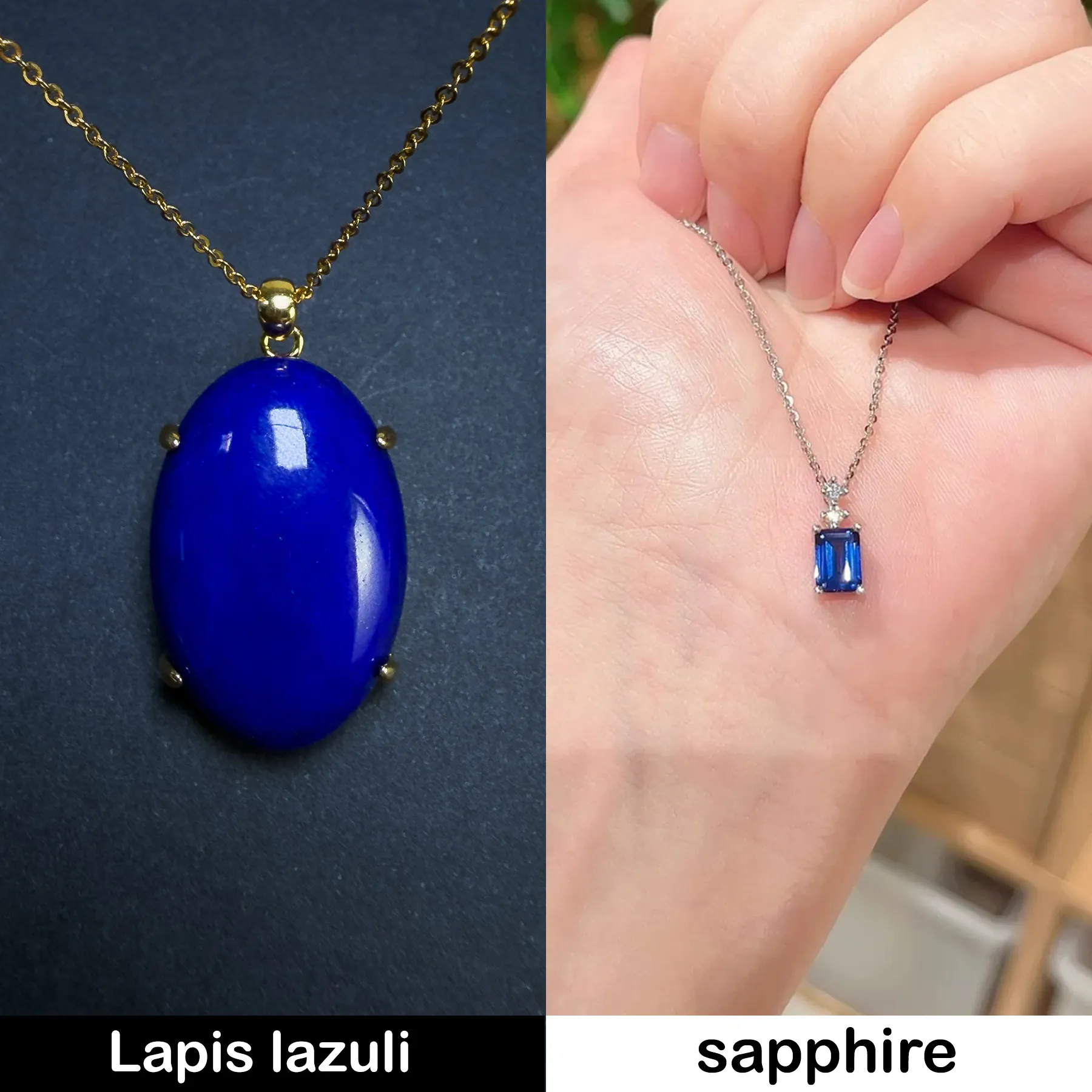
That does not mean lapis and sapphire are the same material. They are very different. Sapphire is crystalline corundum and ranks 9 on the Mohs scale; lapis lazuli is an opaque rock composed of several minerals and typically ranks about 5 to 6. The historical overlap is about names, color, and tradition—not composition.
What Does Lapis Lazuli Mean as a Birthstone?
The safest way to answer this question is to separate evidence from symbolism.
1. Historical meaning: a precious material used for status, adornment, and long-distance exchange
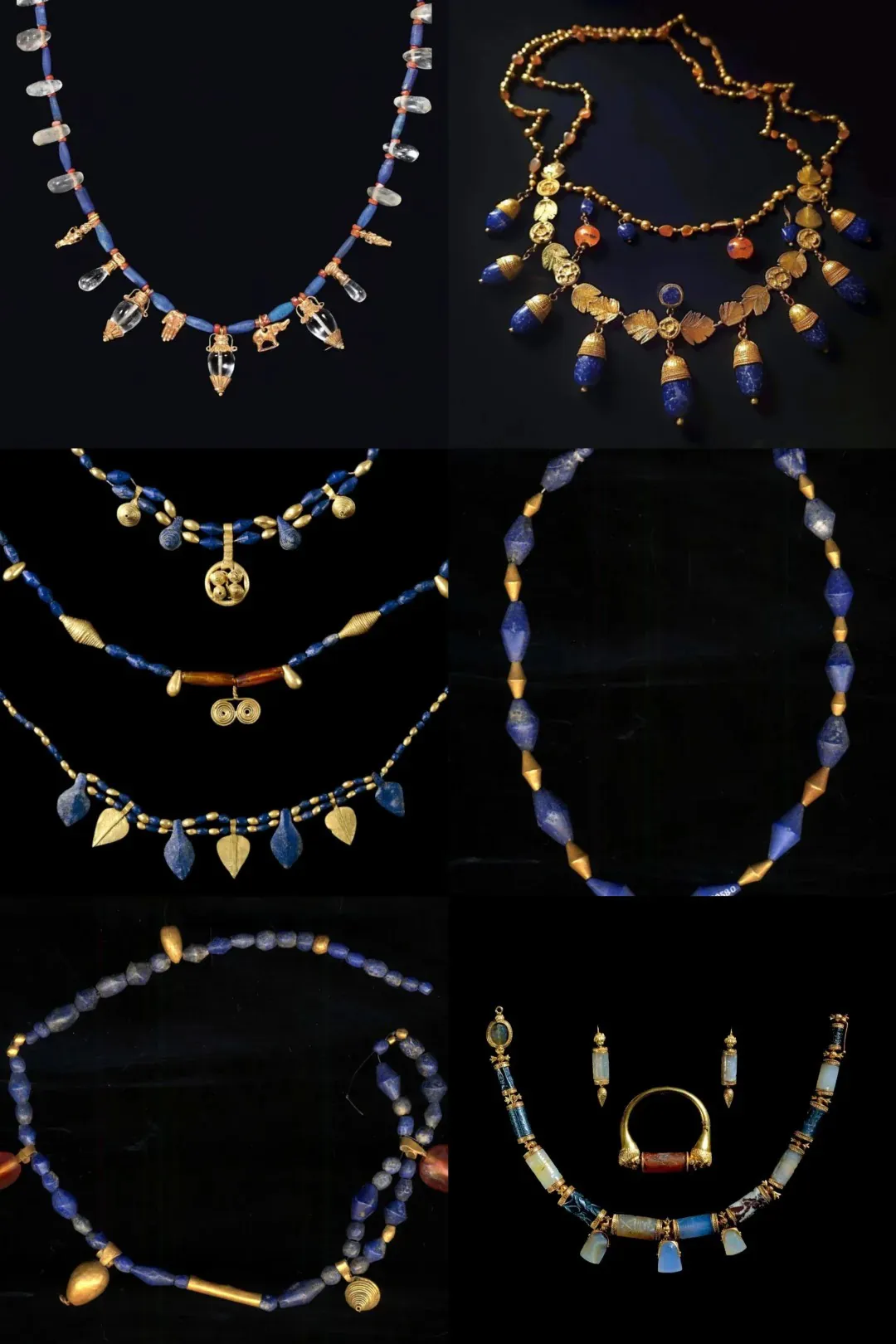
Lapis has been valued for thousands of years. GIA traces its human use back more than 6,500 years and records its importance in Mesopotamia, Egypt, China, Greece, and Rome. GIA’s lapis lazuli history and lore also notes its long use in beads, cabochons, inlays, carvings, and amulets.
Archaeological objects give that history more weight than a list of modern adjectives. The Metropolitan Museum of Art holds lapis lazuli and gold necklace beads from the Royal Cemetery at Ur, dated to about 2600–2500 BCE. Their context does not prove one universal “meaning” for lapis, but it clearly shows that the material was precious enough to appear in elite jewelry and to travel through long-distance trade.
2. Modern symbolism: truth, friendship, wisdom, and self-expression
In modern jewelry and crystal culture, lapis is commonly associated with truth, friendship, wisdom, and self-expression. These ideas are symbolic traditions, not measurable properties of the stone. The International Colored Gemstone Association specifically notes friendship and truth among the meanings associated with lapis lazuli.
For a birthday gift, that distinction is useful. You can give lapis to say “I value your honesty,” “I value our friendship,” or simply “this blue reminds me of you” without pretending the stone guarantees a particular outcome.
3. Spiritual beliefs: meaningful to some people, but not scientific facts
Lapis is also linked in contemporary spiritual practice with the throat chakra, third-eye chakra, intuition, protection, and healing. Those associations may matter personally or culturally to the recipient, but they should be described as beliefs rather than established medical or scientific effects.
A birthstone does not need a healing claim to be meaningful. A month, a color, an old material, and a person can be enough.
Lapis Lazuli or Sapphire: Which Makes the Better Birthstone Gift?
If you are buying for someone born in September, this is usually the most practical comparison. The right choice depends less on which stone sounds more prestigious and more on how the jewelry will be worn.
| Consideration | Lapis Lazuli | Sapphire |
|---|---|---|
| Appearance | Opaque, saturated blue; may show calcite or pyrite | Transparent to translucent; usually faceted when gem quality |
| Mohs hardness | 5–6 | 9 |
| Best use | Pendants, earrings, necklaces, bracelets; rings need more care | Excellent for rings and frequent daily wear |
| Visual character | Ancient, graphic, rich blue surface | Brilliant, transparent, faceted sparkle |
| Birthstone tradition | Appears in some September lists and traditional December lists | Current mainstream September birthstone |
GIA rates sapphire at Mohs 9 and describes it as a strong choice for rings and other settings exposed to daily wear. For lapis, GIA gives a Mohs hardness of 5 to 6 and fair toughness. That does not make lapis unsuitable for jewelry; it simply means the design and the wearer’s habits matter more.
If the gift is meant to be worn every day with minimal worry, sapphire has the durability advantage. If the person loves opaque deep blue, natural mineral patterning, or the history of lapis itself, lapis can be the more personal choice.
How to Choose a Lapis Lazuli Birthday Gift
1. Start with the person, not the birthstone chart
A good birthstone gift should feel connected to the recipient. Lapis makes particular sense for someone who loves strong blue, wears gold or silver jewelry regularly, appreciates natural materials, or likes the idea of an ancient stone without needing a mystical explanation.
If the month matters, tell the story accurately: September under some gemstone traditions; traditional December under others. That is more thoughtful than printing “September stone” on a card as if no other system exists.
2. Choose the jewelry type by how it will be worn
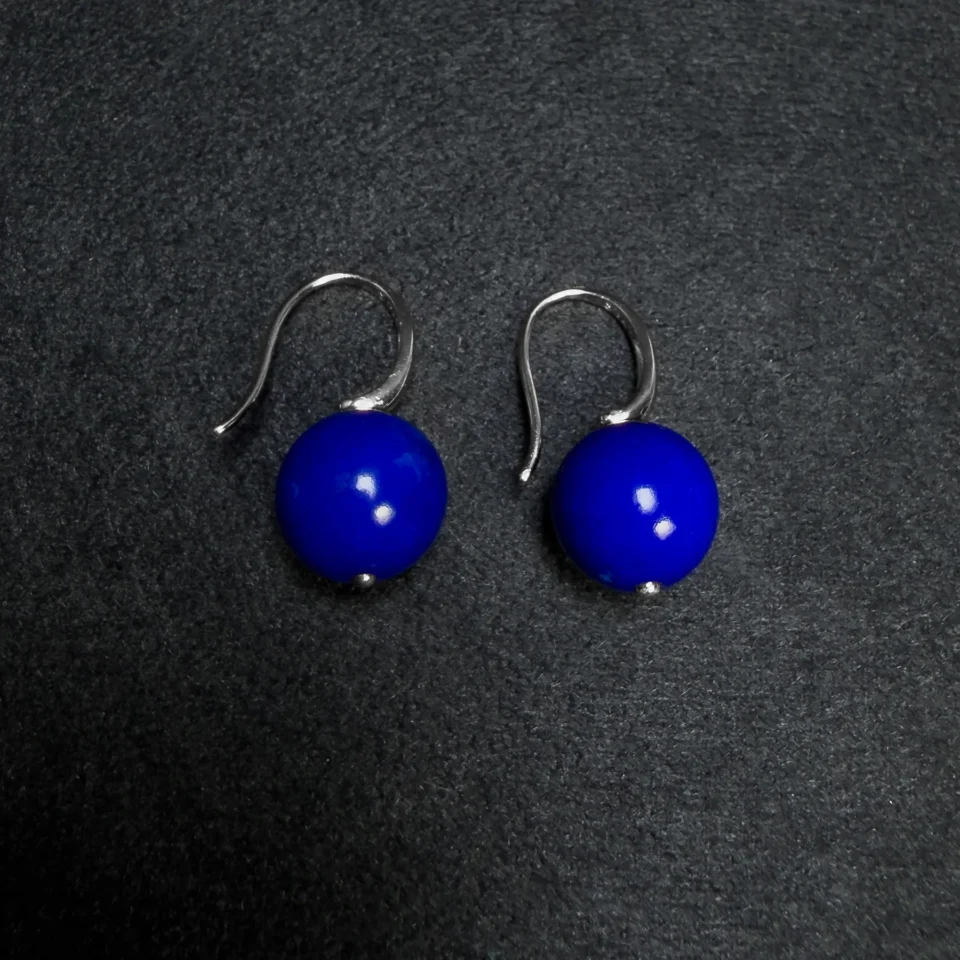
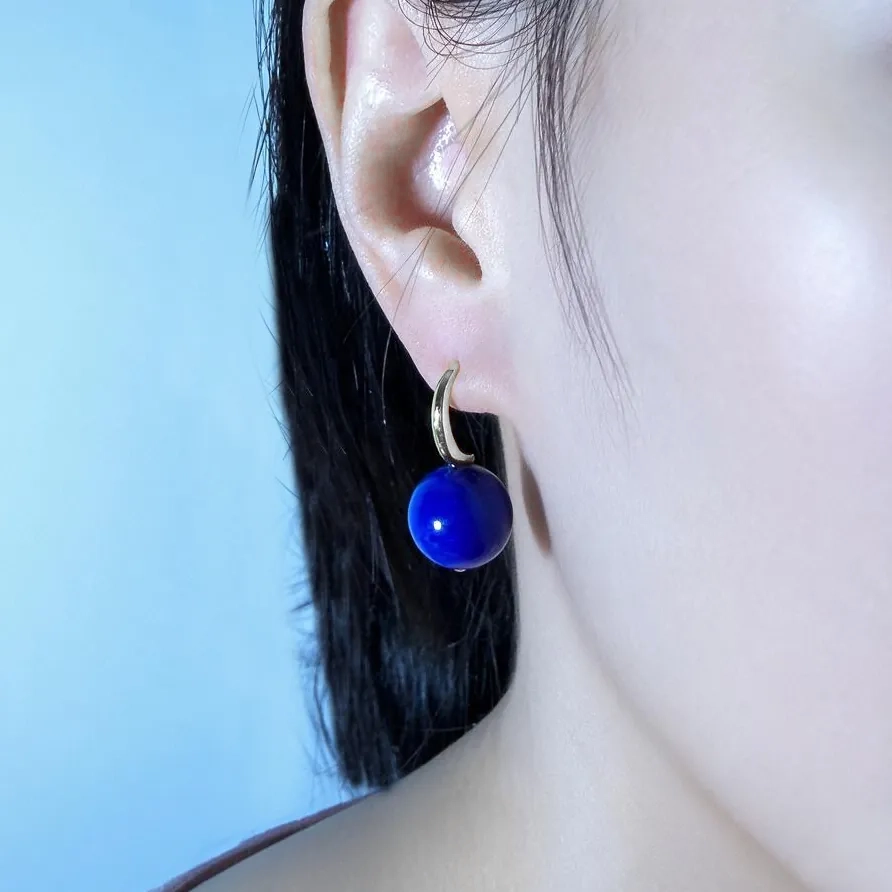
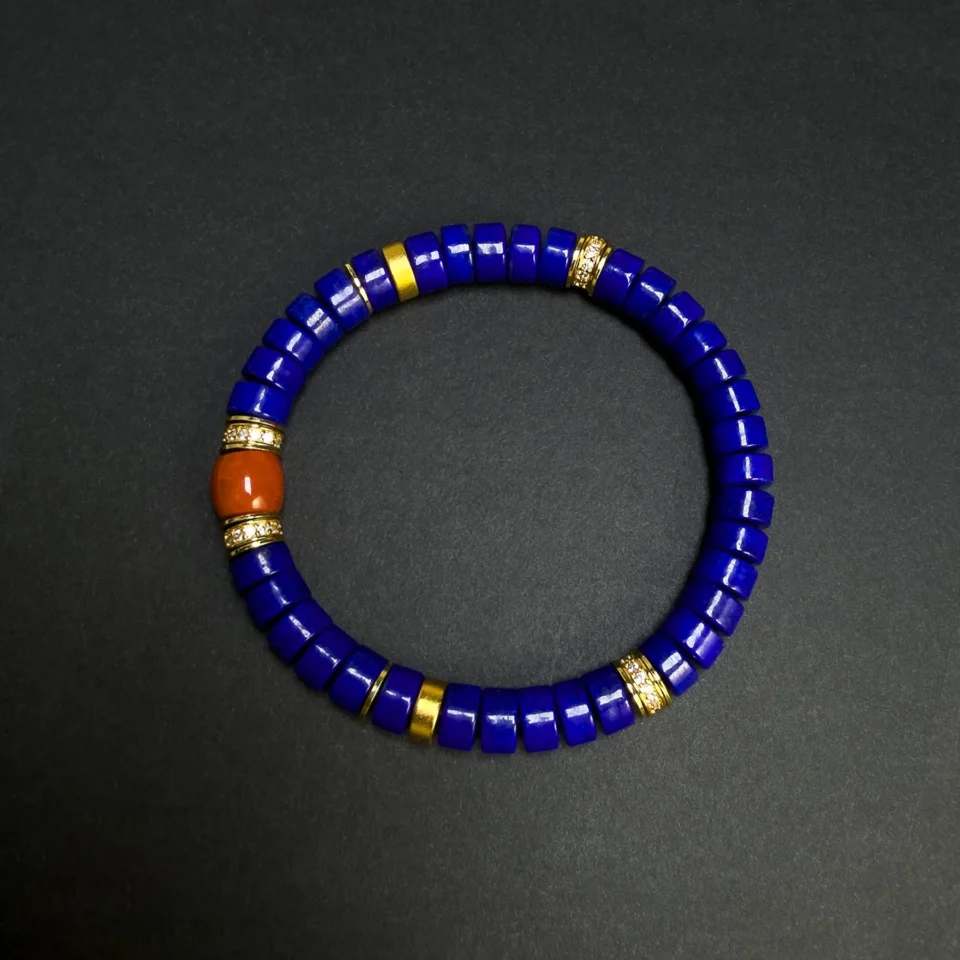
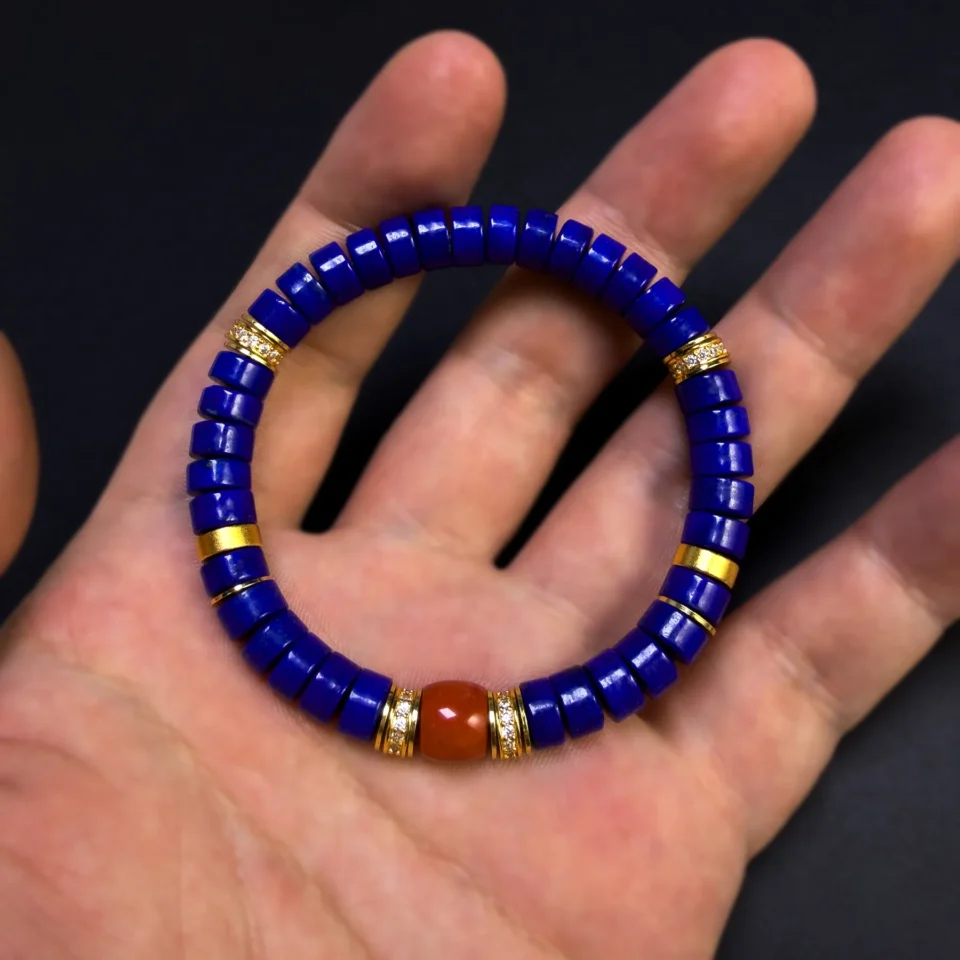
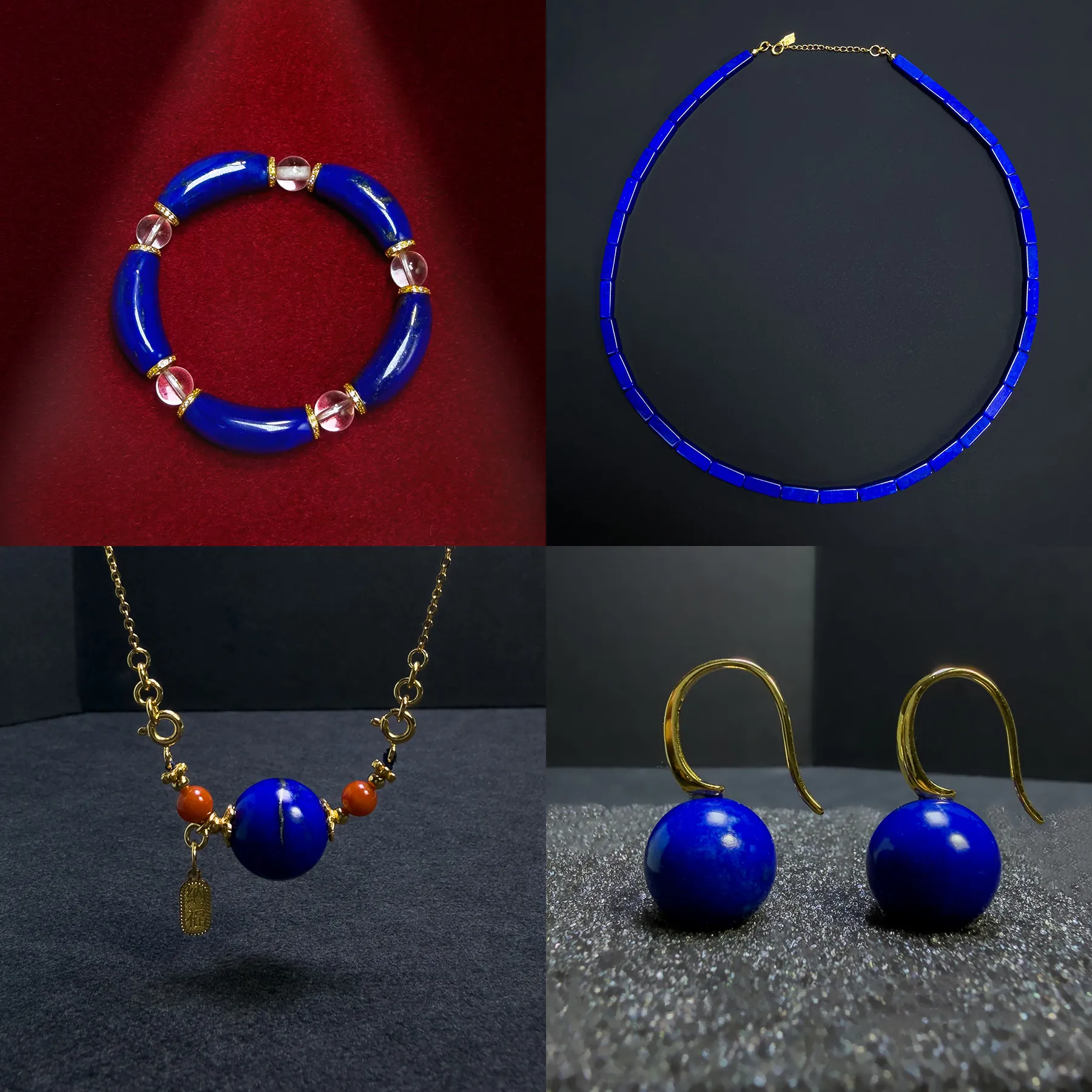
A pendant is one of the easiest lapis gifts because it keeps the stone visible while protecting it from much of the impact that a ring receives. Earrings are another low-contact option. Necklaces give more space to show color and bead matching. Bracelets are easy to wear but encounter desks, bags, and hard surfaces more often. Rings can be beautiful, but lapis needs a protective setting and a wearer who understands its lower hardness.
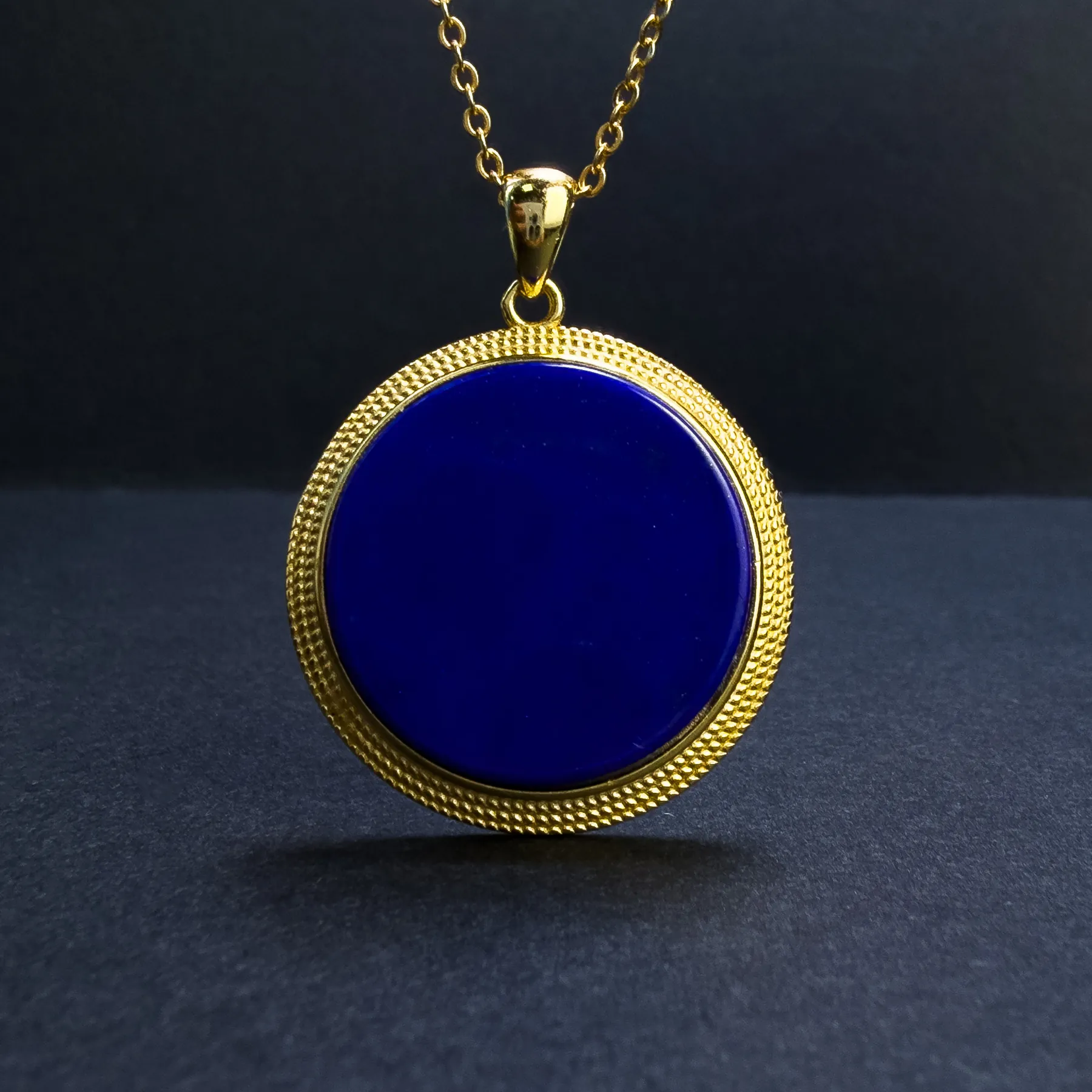
For a simple birthday piece, a clean round pendant such as the Natural Imperial-Grade Round Lapis Lazuli Pendant keeps the emphasis on the blue stone rather than on a complicated setting.
3. Look at the blue before the grade label
For fine lapis, the market usually favors rich, highly saturated blue with little visible white calcite. The darkest stone is not automatically the best; a lively royal or slightly violetish blue can look finer than a nearly black-blue surface that appears flat or gray.
If you want a visual explanation of the color range, see what color is lapis and which blues are most valued.
4. For a high-quality gift, check calcite, texture, luster, and matching
A strong birthday piece should not rely on the word “natural” alone. For a cleaner high-end look, we prefer lapis with very little visible white calcite, a fine and compact-looking body, smooth luster after polishing, and a blue that remains the visual focus. In bead jewelry, several individually attractive stones still need to match well enough to look intentional together.
Our lapis lazuli quality guide explains color, calcite, pyrite, treatment disclosure, workmanship, and care in more detail.
5. Ask whether the lapis is treated
Lapis can be dyed, waxed, oiled, or otherwise treated to improve color and surface appearance. Treatment is not the same as imitation, but it should be disclosed because it can affect value and care. For a meaningful gift, a clear material description is more useful than vague labels such as “AAA” or “museum grade.”
6. Let the gift message match what you actually know
If you include a card, keep the wording grounded. For example: “Lapis has been worn and treasured for thousands of years. Today it is often associated with truth and friendship. I chose this piece because the blue felt right for you.”
That message gives the stone history and symbolism without promising healing, luck, or protection.
What Makes Lapis Lazuli a More Personal Gift?
Unlike a perfectly standardized color chip, natural lapis has variation. One piece may be almost uninterrupted royal blue; another may show restrained pyrite; a bead strand may reveal small shifts from stone to stone. That individuality can make a birthday piece feel more personal, provided the variation is shown honestly before purchase.
If you want to see how quality becomes clearer as rough material is cut, rounded, polished, and matched, read how Afghan lapis moves from rough stone to finished jewelry.
For finished examples, browse our lapis lazuli jewelry.
The Birthstone Meaning Is Only the Beginning
Lapis lazuli does not have one universal birthstone month, and it does not need one fixed spiritual definition to make a meaningful gift. Its story is already substantial: an ancient blue material carried across long trade routes, used in jewelry for thousands of years, connected with more than one birthstone tradition, and still chosen today for its color.
If the recipient values September tradition, explain that sapphire is the current mainstream birthstone while lapis appears in some international lists. If the recipient was born in December, lapis has a strong traditional connection. And if the person simply loves lapis, that may be the best reason of all.
The stone brings the history and the color. The rest of the meaning comes from the person who gives it and the person who wears it.