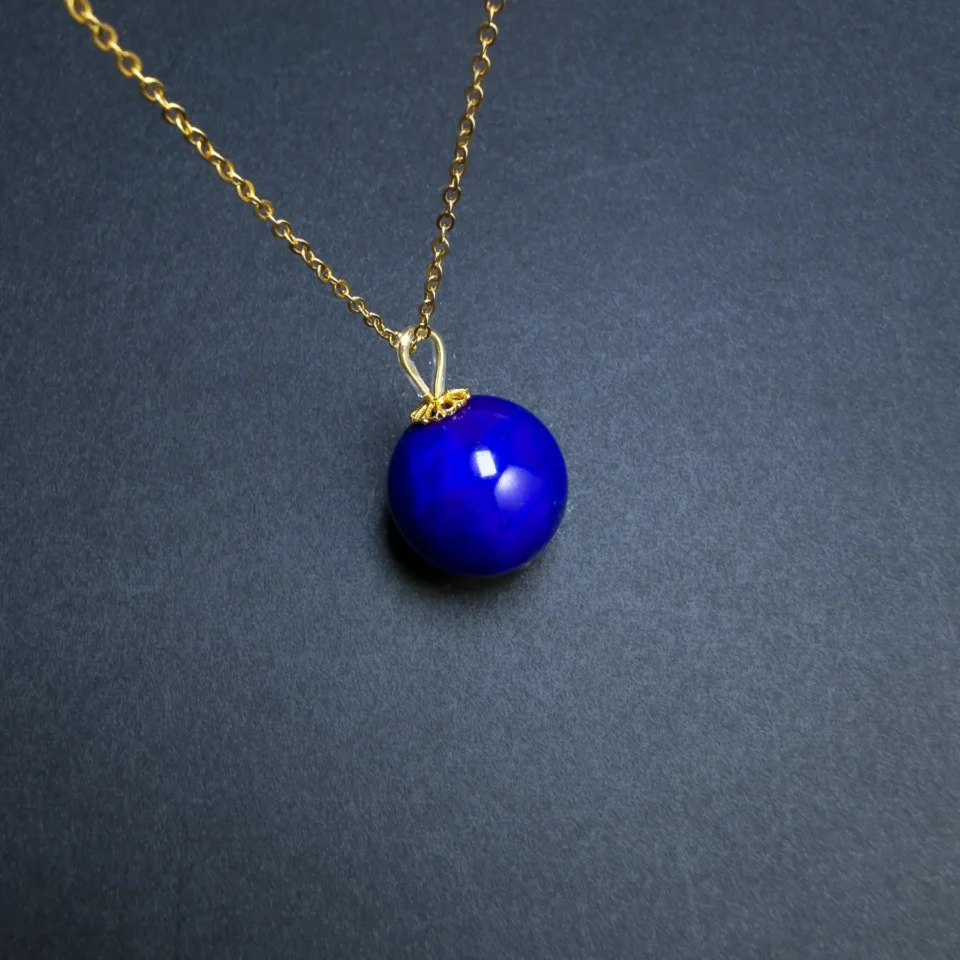
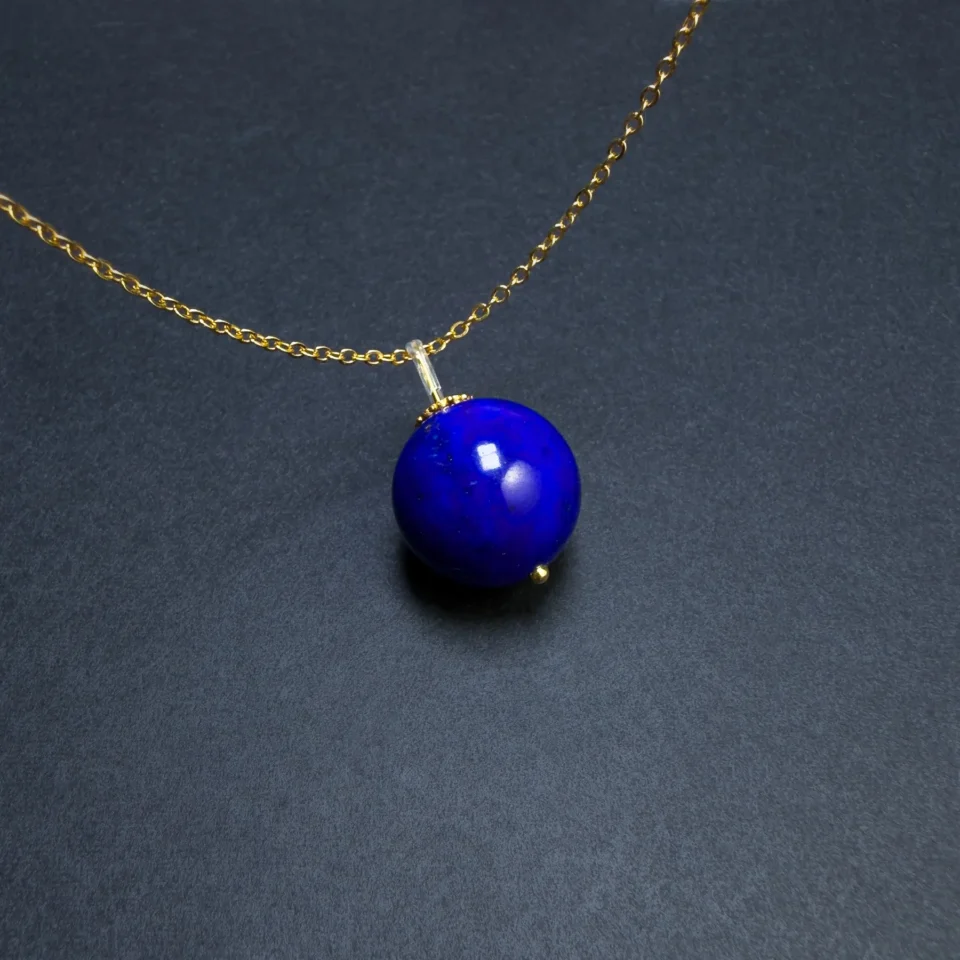
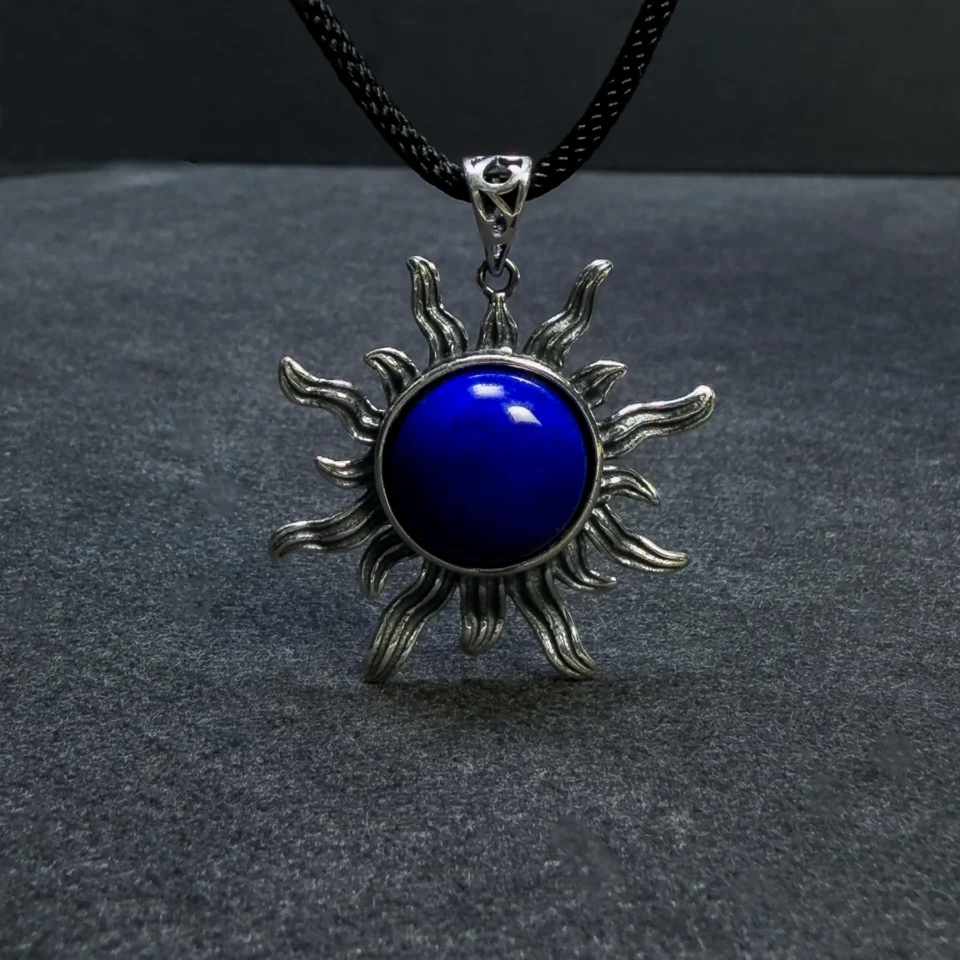
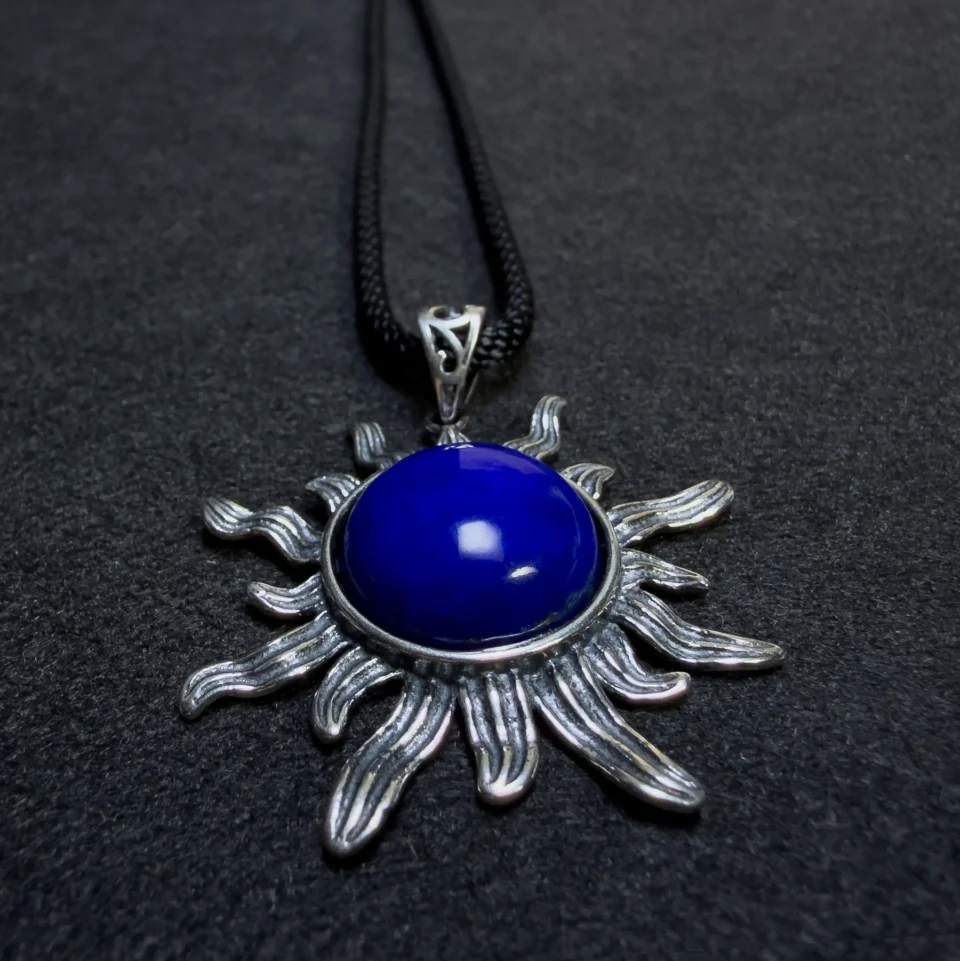
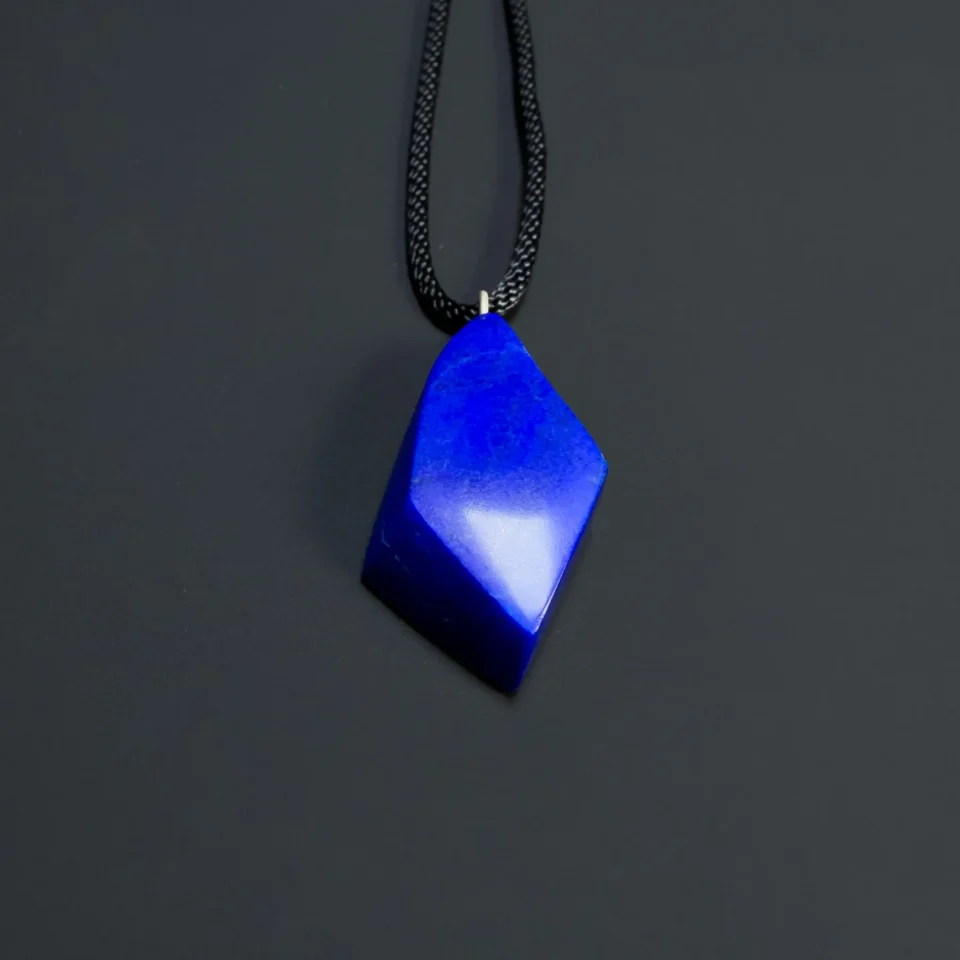
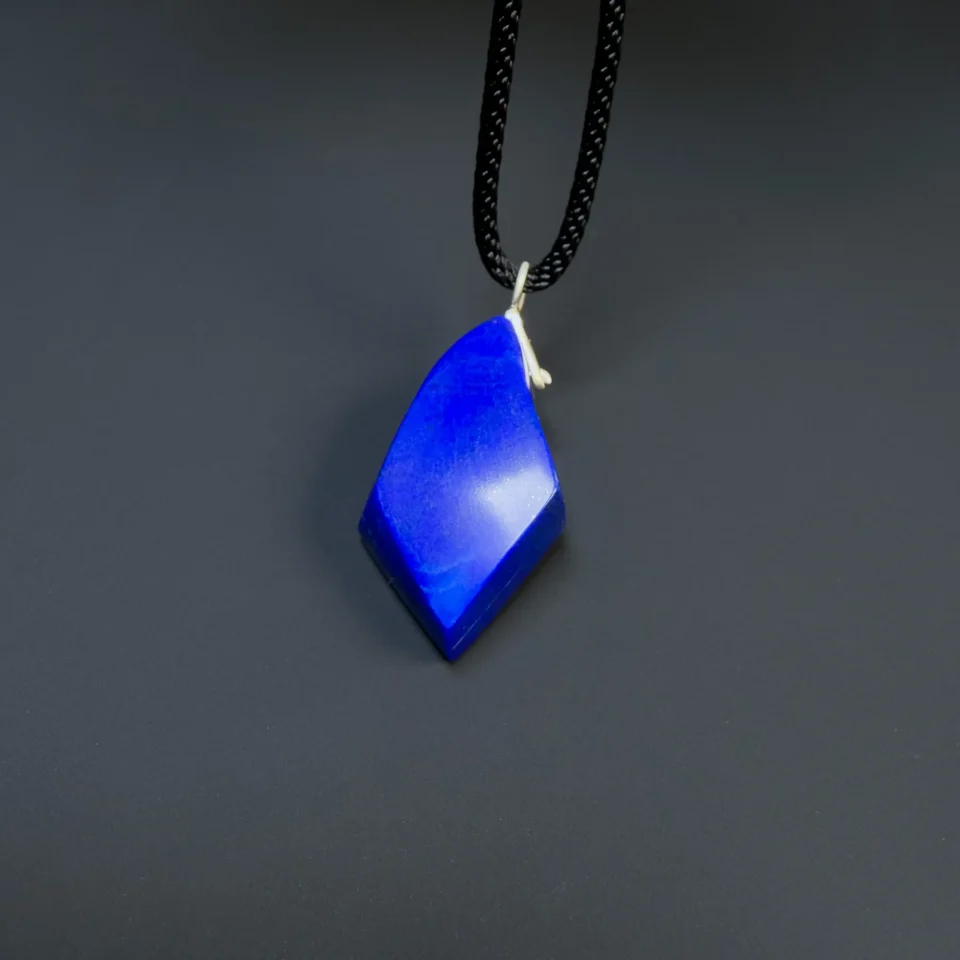
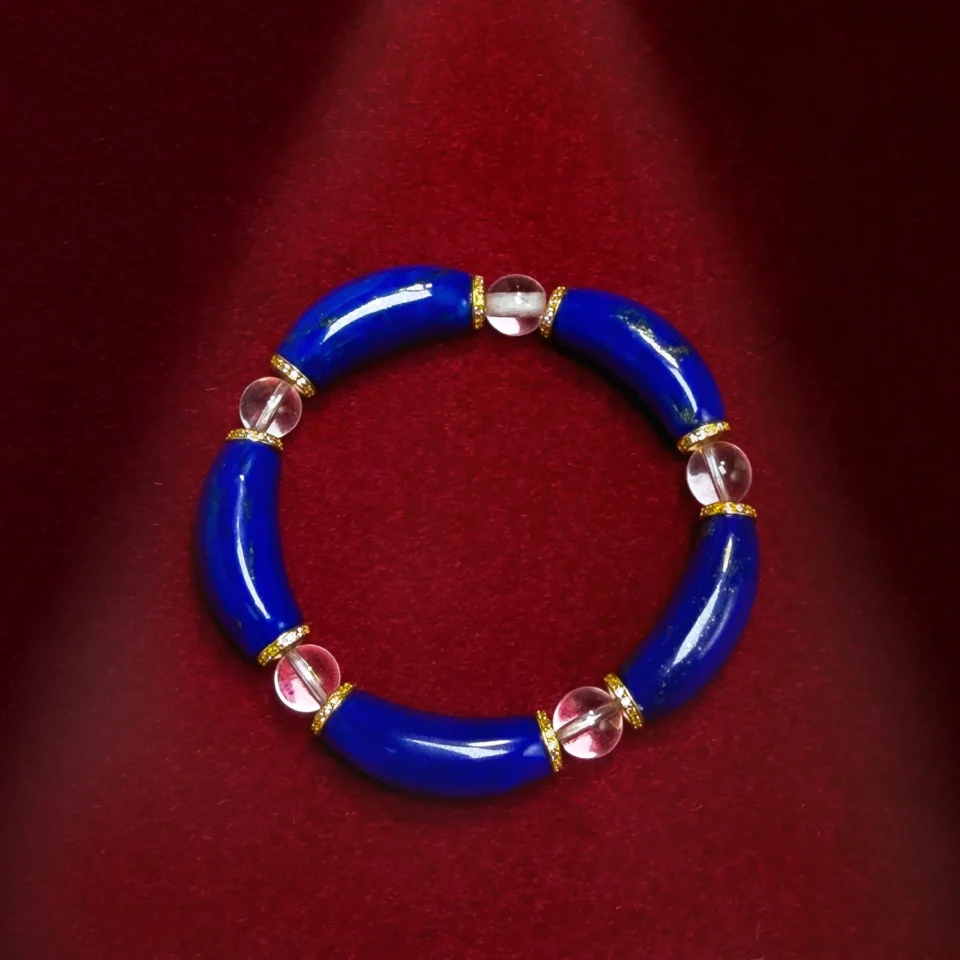
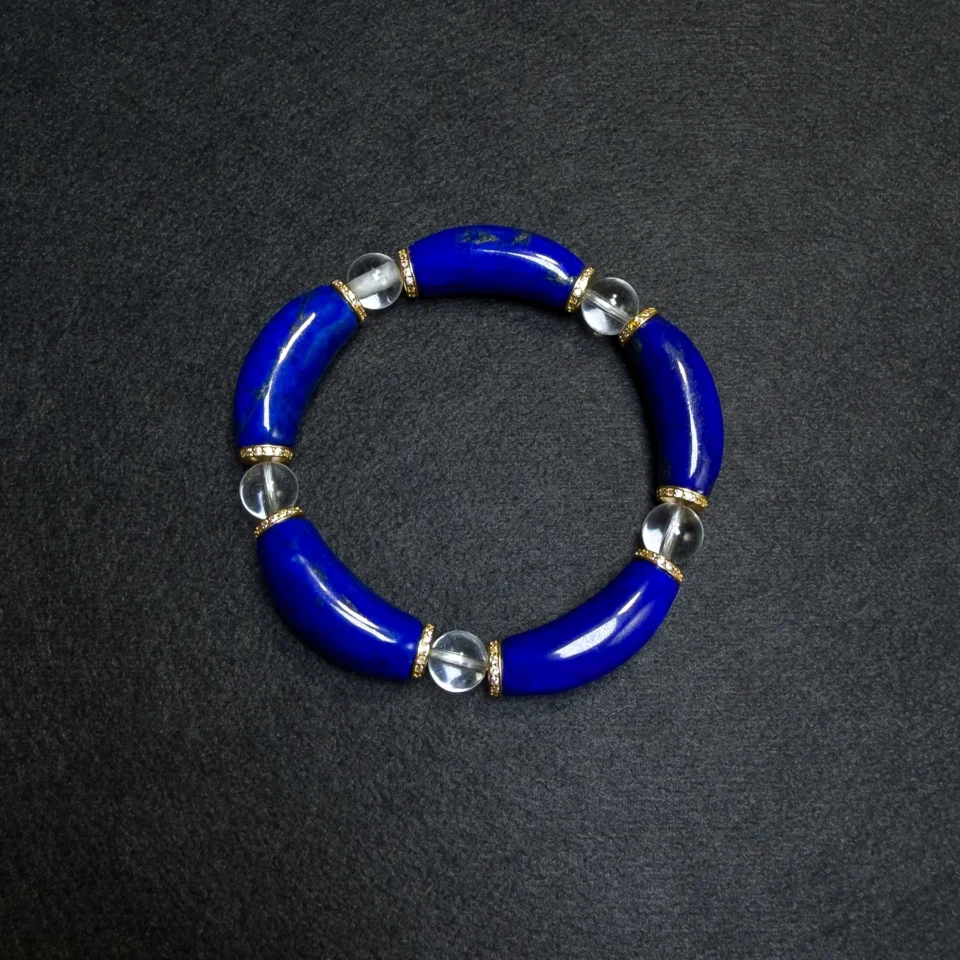
Lapis lazuli has been admired for thousands of years for its intense blue color, golden pyrite flecks, and remarkable place in human history. But what does lapis lazuli mean?
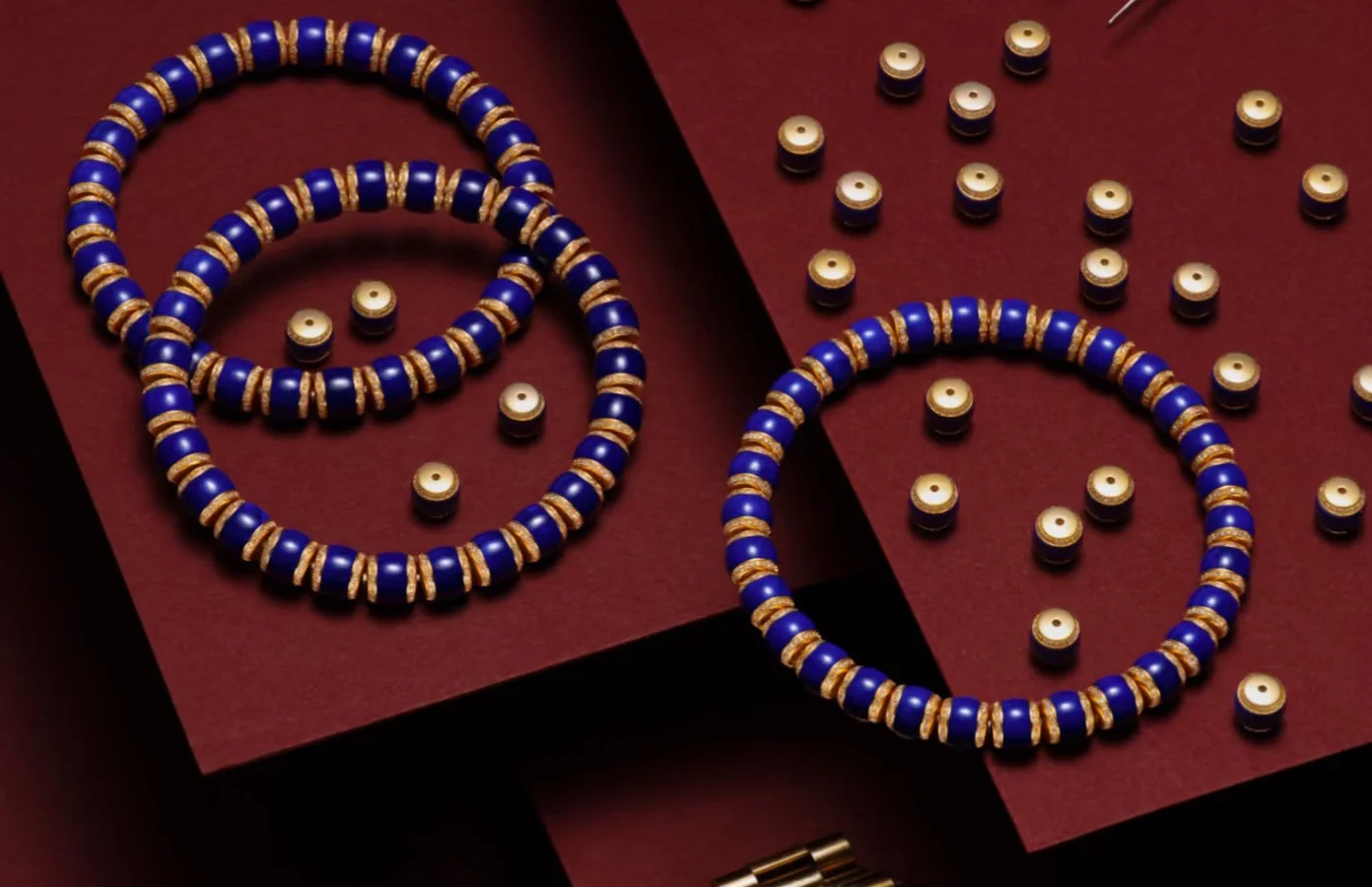
Traditionally, lapis lazuli has been associated with wisdom, truth, royalty, spiritual insight, and self-expression. Across ancient civilizations, its deep blue color became connected with the heavens, sacred authority, beauty, and social status. In modern spiritual traditions, lapis lazuli is also commonly associated with intuition, communication, meditation, and the throat and third-eye chakras.
These meanings come from history, culture, symbolism, and modern spiritual practices. They should not be confused with scientifically proven medical effects.
The story behind the lapis lazuli meaning is especially fascinating because few gemstones have carried such a powerful symbolic role across so many different civilizations.
What Does Lapis Lazuli Mean?
At its simplest, lapis lazuli is often used as a symbol of:
- Wisdom — because of its long association with learning, sacred knowledge, and spiritual understanding.
- Truth — particularly in modern crystal traditions, where it is connected with honest communication and self-expression.
- Royalty and status — because fine lapis lazuli was historically rare, valuable, and used by rulers and elites.
- The heavens — its deep blue color has repeatedly been associated with the sky, the divine, and celestial imagery.
- Spiritual insight — in contemporary metaphysical traditions, lapis lazuli is often associated with meditation, intuition, and inner reflection.
There is no single universal meaning of lapis lazuli. Its symbolism has changed from culture to culture and from one historical period to another.
What makes the stone unusual is that many of these meanings can be traced back thousands of years rather than being entirely modern inventions.
What Does the Name “Lapis Lazuli” Mean?
The name itself reflects the stone’s most recognizable feature: its blue color.
“Lapis” comes from the Latin word for stone, while the later word “lazuli” developed through languages including Arabic and Persian words associated with blue or azure. (Online Etymology Dictionary)
The expression lapis lazuli therefore carries the approximate historical sense of an azure stone or blue stone.
This linguistic history is also connected with the English word azure, another reminder of how closely lapis lazuli became associated with the idea of an extraordinary blue color.
What Is Lapis Lazuli?
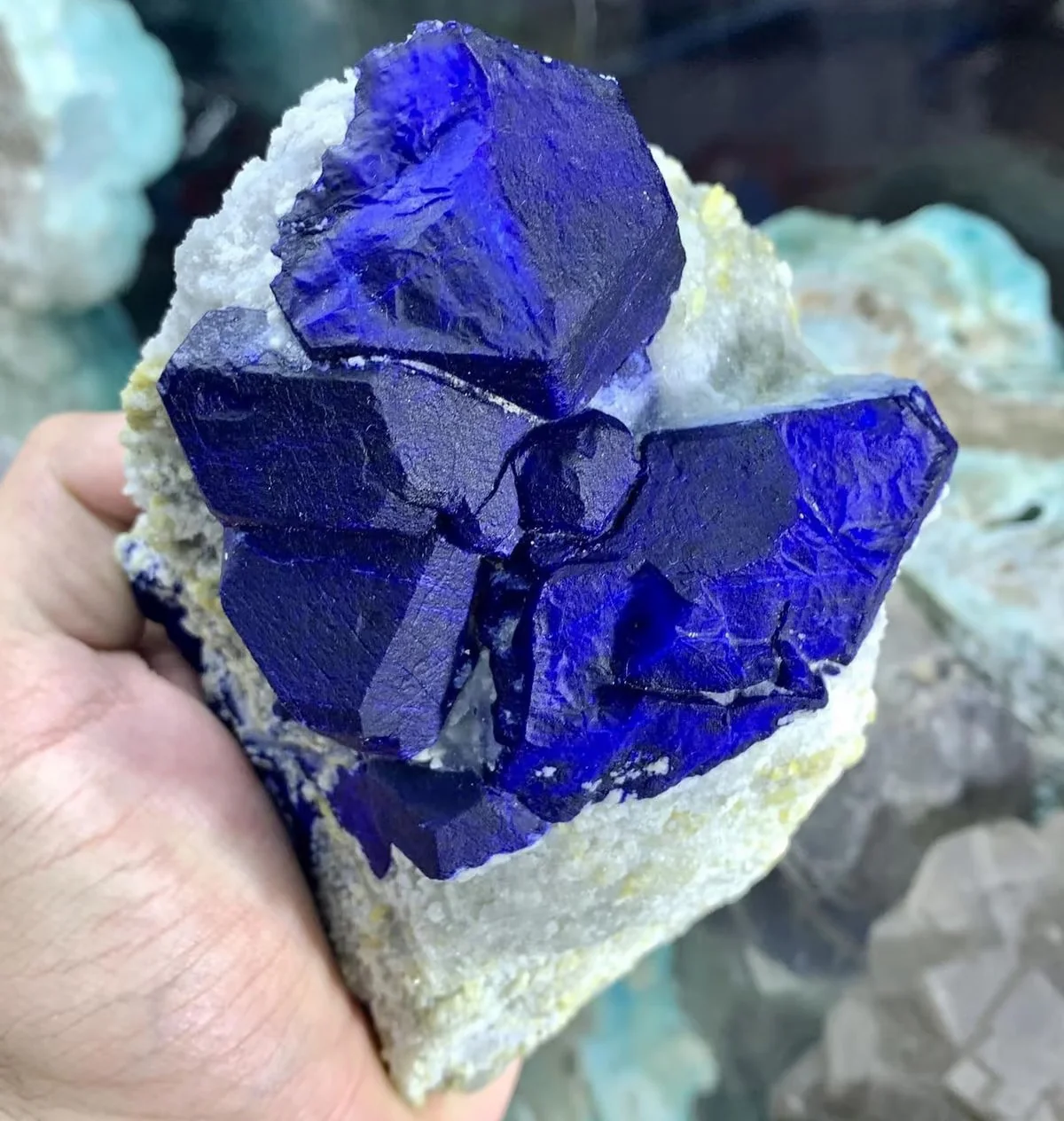
Although it is commonly called a gemstone, lapis lazuli is technically a rock made from several minerals rather than a single mineral crystal. (GIA)
Its principal components commonly include:
- Lazurite, which contributes much of the prized blue color
- Calcite, which can appear as white or pale areas
- Pyrite, which often creates metallic golden flecks
Other minerals can also occur within the stone.
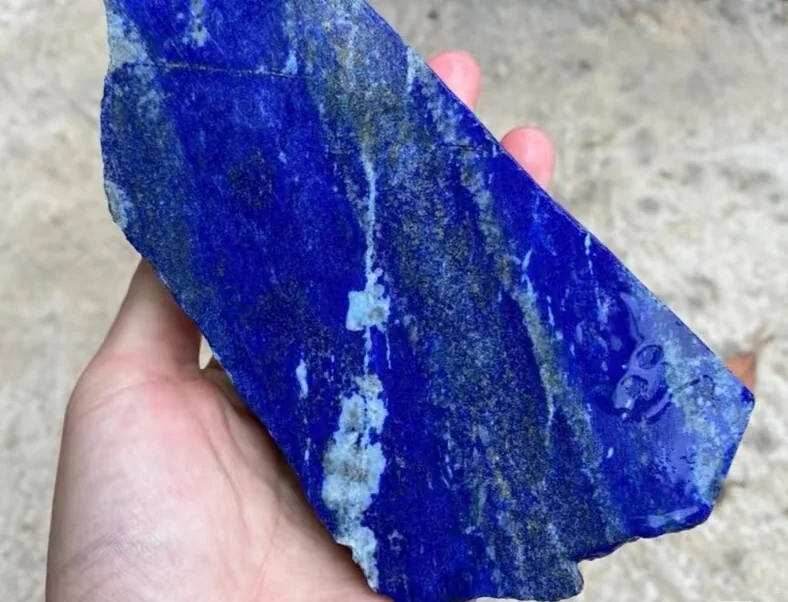
Lapis lazuli generally ranges from greenish blue to violet-blue, with intense medium-to-dark blue traditionally among the most valued colors.
Its natural variation is important. Two pieces of lapis lazuli may share the same deep blue character while showing completely different distributions of pyrite and calcite.
That variation is part of the stone’s identity rather than a flaw that must always be eliminated.
Lapis Lazuli Meaning in Ancient Civilizations
The cultural meaning of lapis lazuli did not begin with modern crystal practices.
Its relationship with human civilization stretches back thousands of years.
High-quality lapis lazuli from the Badakhshan region of present-day Afghanistan traveled through ancient trade networks and reached cultures far from its original source. (GIA)
Its rarity, intense color, and long-distance trade helped turn it into far more than a decorative material.
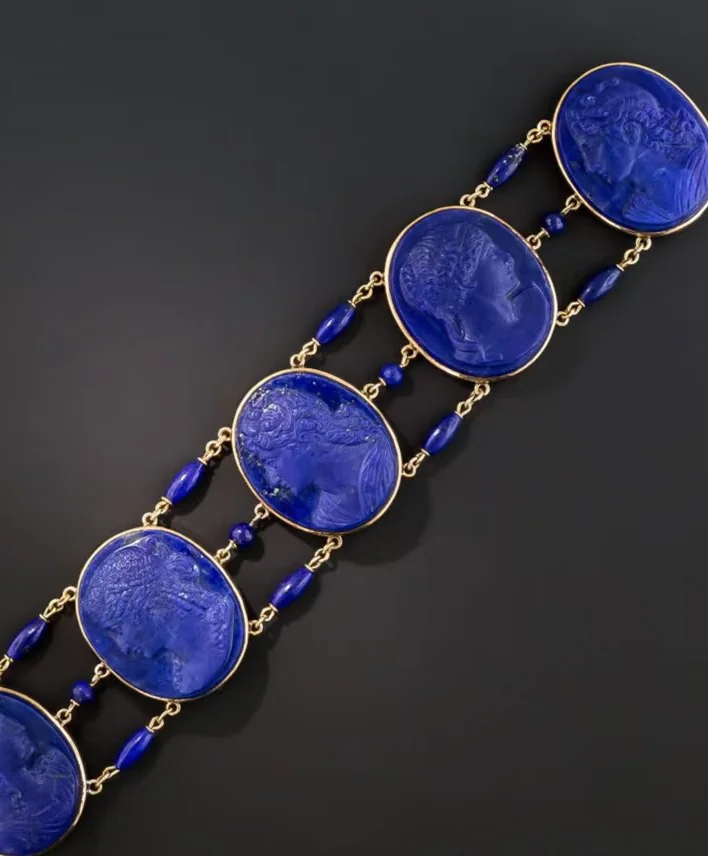
Mesopotamia: Prestige, Ritual and Sacred Objects
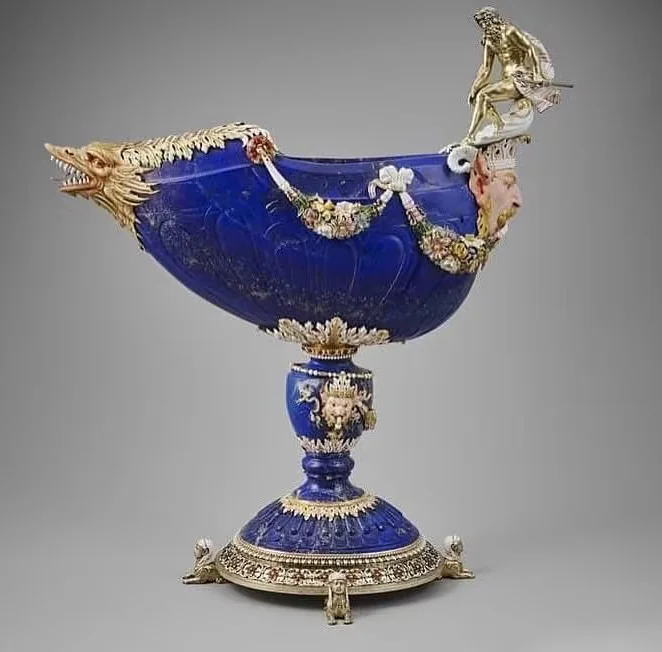
Lapis lazuli was highly valued in ancient Mesopotamia and was used for beads, amulets, inlays, ornaments, and ceremonial objects. (The Metropolitan Museum of Art)
The stone had to travel considerable distances before reaching the great cities of Mesopotamia. This alone made it a prestigious material.
Its use in important objects gradually linked the blue stone with wealth, status, ritual significance, and the world of rulers and temples.
For ancient societies that had access to very few naturally occurring materials with such a saturated blue color, lapis lazuli would have appeared exceptional.
Ancient Egypt: Royalty and the Sacred
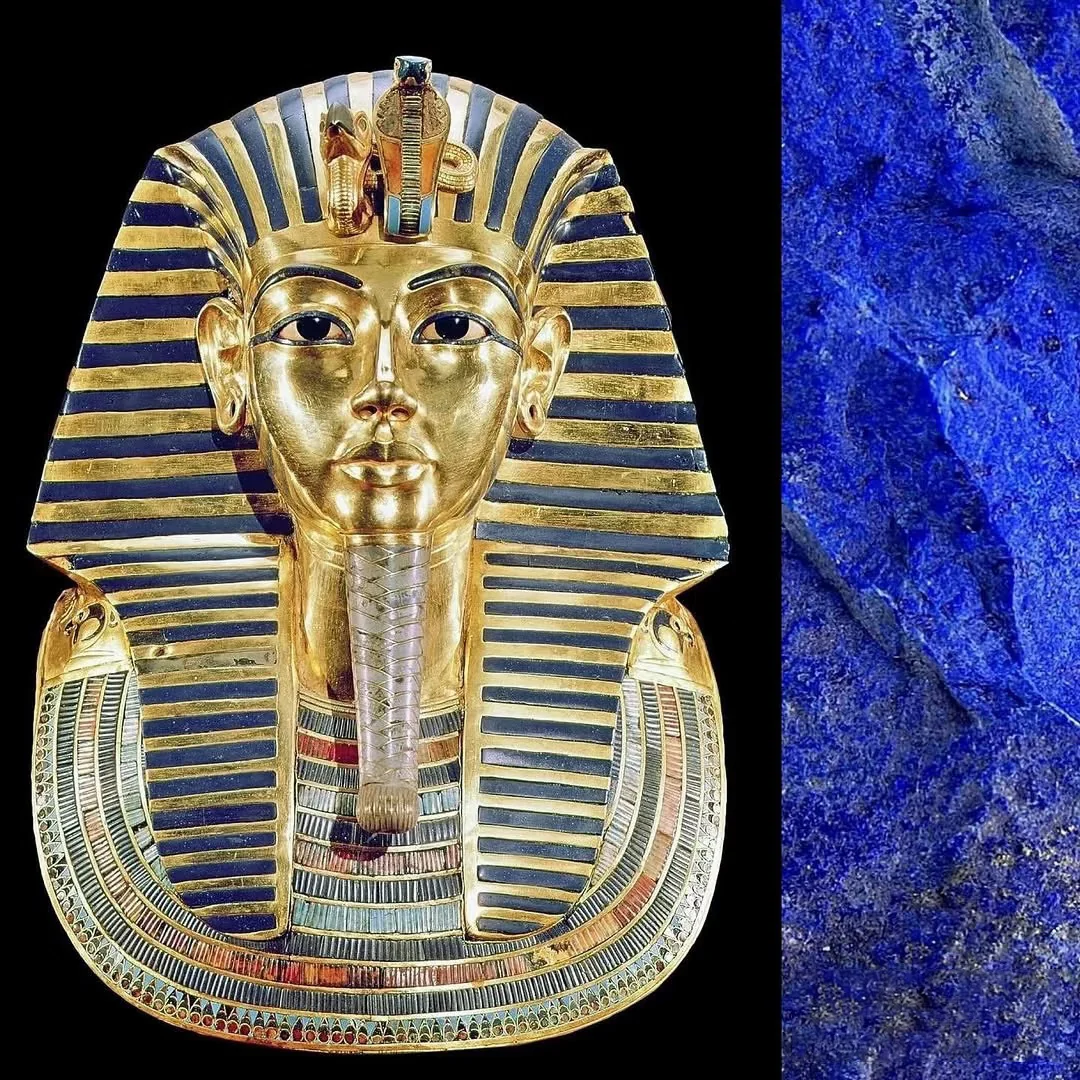
Lapis lazuli was also treasured in ancient Egypt.
Egyptians used it in jewelry, decorative inlays, amulets, and pigments. Archaeological collections today still contain numerous Egyptian objects incorporating lapis lazuli. (The Metropolitan Museum of Art)
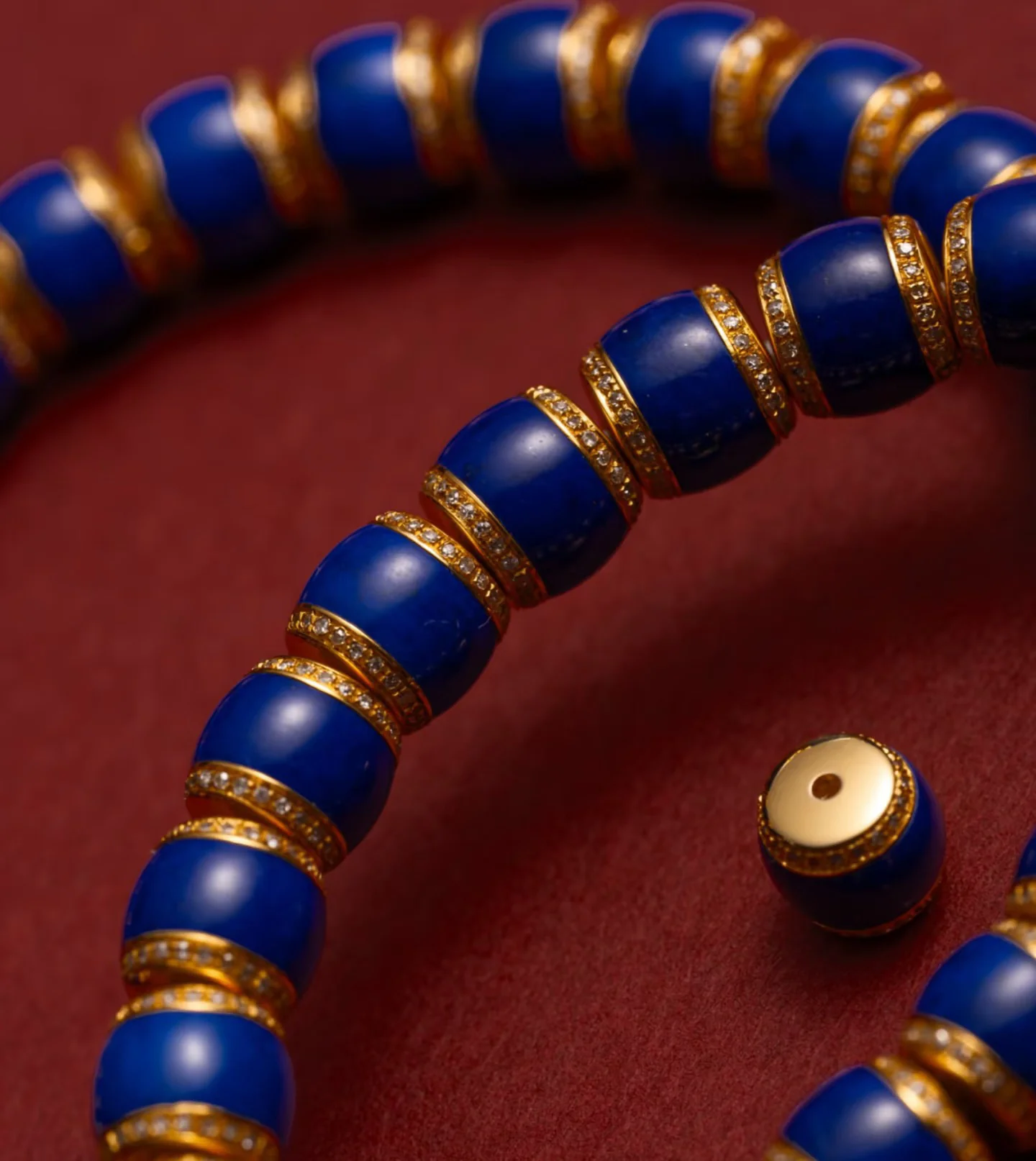
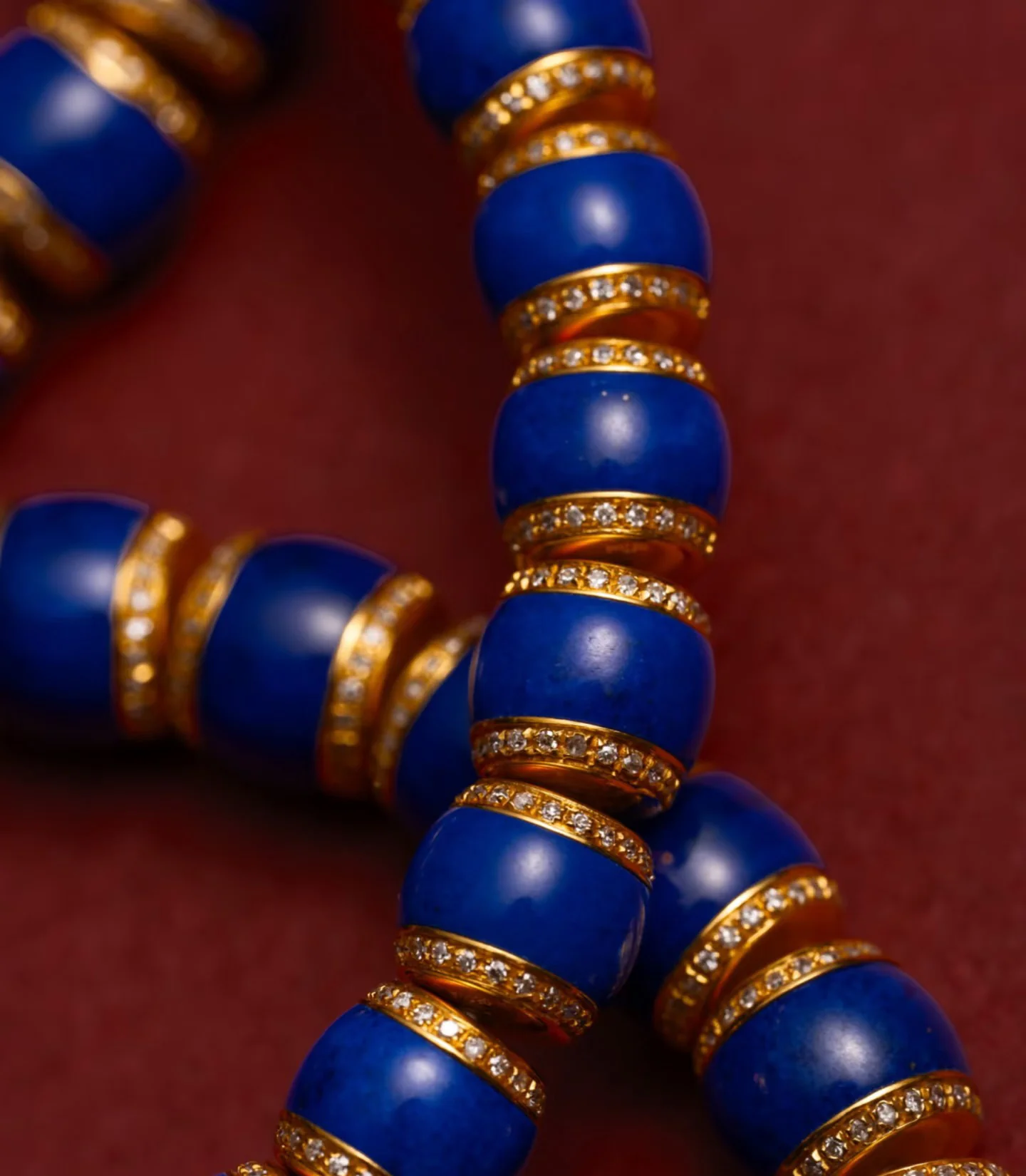
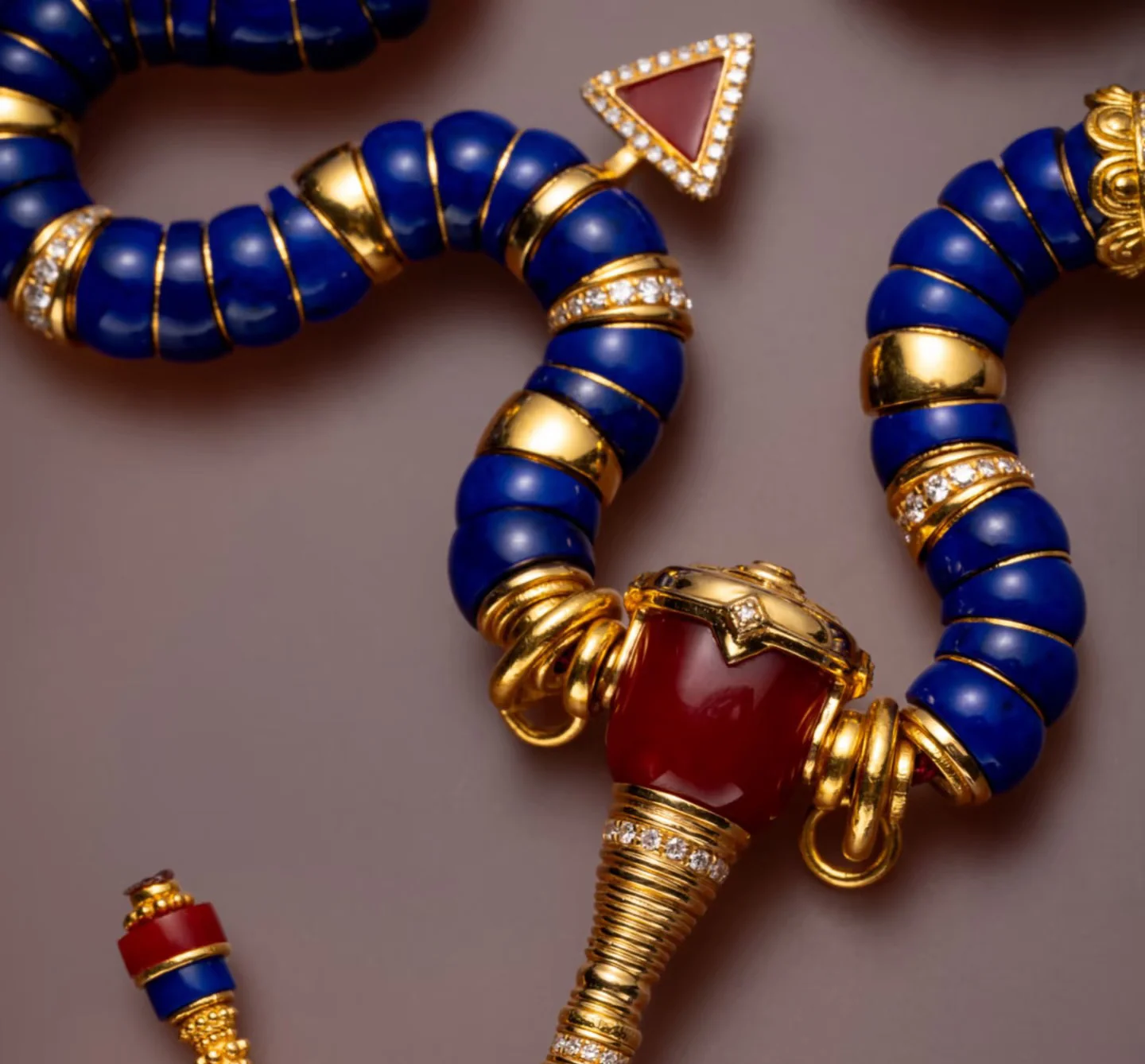
Its rich blue appearance worked particularly well beside gold — a combination that remains visually striking thousands of years later.
This pairing contributed to lapis lazuli’s enduring association with:
royalty, sacred authority, protection, and the heavens.
It is important, however, not to turn every historical use into a modern metaphysical claim. The strongest evidence is material: lapis lazuli was valuable, difficult to obtain, and repeatedly selected for prestigious and ritual objects.
Those facts help explain why later generations came to associate it with power and the divine.
Lapis Lazuli Meaning in Chinese Imperial Culture
The symbolic relationship between lapis lazuli and the sky also appeared in imperial China.
During the Qing dynasty, color and materials played an important role in state ritual.
Historical objects preserved by the Palace Museum show that the emperor wore lapis lazuli court beads when performing sacrifices to Heaven at the Temple of Heaven. (Palace Museum)
Lapis lazuli was associated with the sky because of its blue appearance.
This gives the stone a particularly interesting place in Chinese cultural history: its meaning was not simply decorative. In an imperial ritual setting, its color helped represent the relationship between the emperor, Heaven, and ceremonial order.
This is one of the clearest historical examples of how the meaning of lapis lazuli developed from the visual character of the material itself.
Its blue color was not merely beautiful.
It became symbolic.
Why Does Lapis Lazuli Symbolize Royalty?
There is a practical reason lapis lazuli became connected with royalty and status.
For much of history, high-quality lapis had to travel enormous distances from mining regions in Central Asia to major centers of civilization.
Before modern transportation, obtaining such a material required extensive trade networks.
That made fine lapis:
rare, expensive, exotic, and socially prestigious.
When rulers, temples, wealthy patrons, and elite craftsmen repeatedly used a material, the material itself gradually acquired symbolic meaning.
This is why “royalty” is more than a modern marketing term attached to lapis lazuli.
Its association with status has deep historical roots.
Lapis Lazuli in Art: The Meaning Behind Ultramarine Blue
One of the most important chapters in the history of lapis lazuli did not take place in jewelry at all.
It happened in painting.
When carefully processed, lapis lazuli could be turned into the natural blue pigment known as ultramarine.
For centuries, natural ultramarine was extremely expensive.
In medieval and Renaissance Europe, it was one of the most prestigious pigments available to an artist. Historical records show that high-quality ultramarine could be valued as highly as gold. (The Metropolitan Museum of Art)
Because of its expense, painters often reserved the pigment for important elements of a composition.
One of its most famous uses was for the blue robes of the Virgin Mary.
The choice was not simply aesthetic.
An expensive, brilliant blue could visually communicate:
importance, purity, sacredness, dignity, and devotion.
The history of ultramarine therefore helps explain something important about lapis lazuli symbolism.
The meaning of the stone did not develop only because people believed stories about it.
Its rarity and extraordinary color repeatedly caused societies to reserve it for objects and images that already carried great cultural importance.
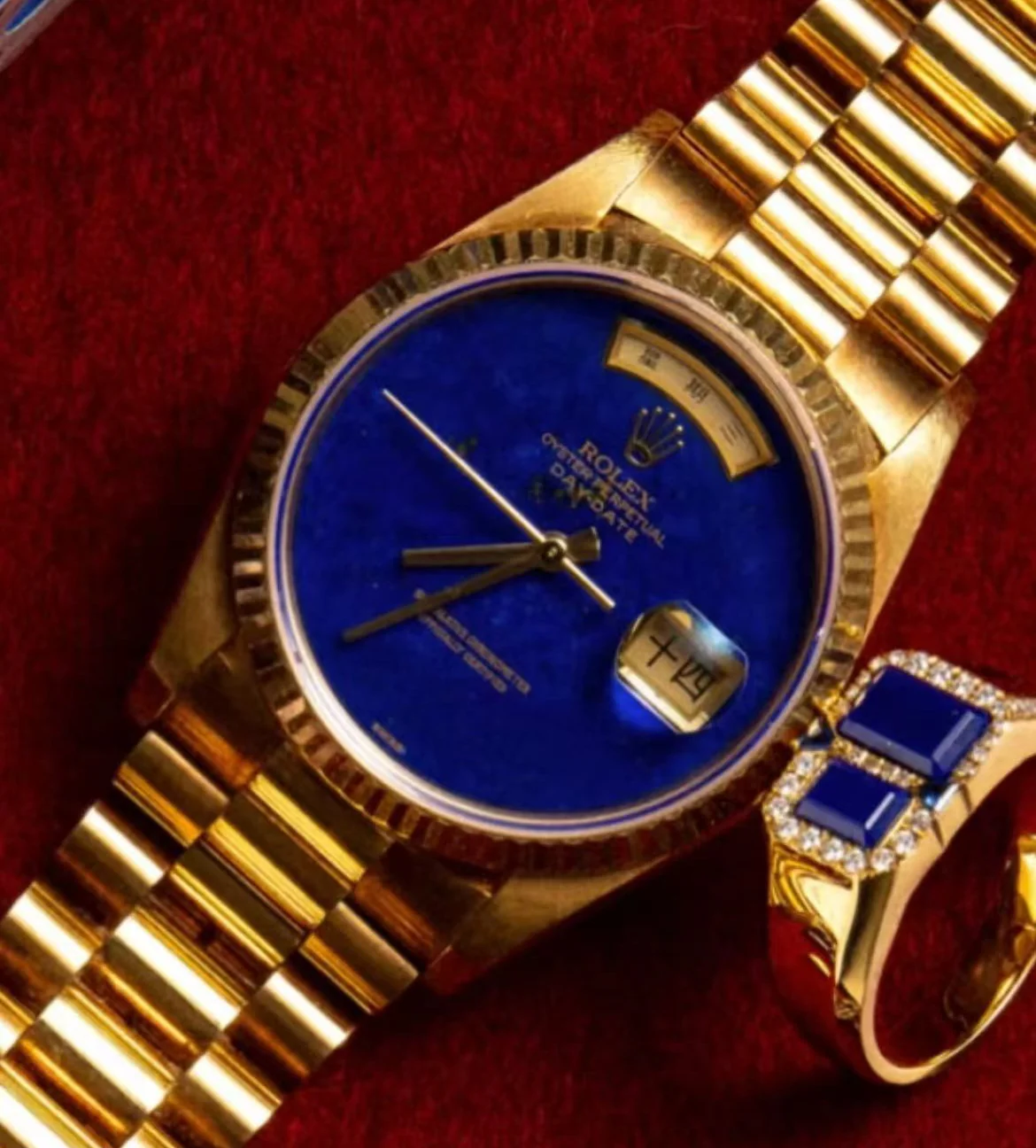
From Stone to Color: Why Blue Matters So Much
Today we are surrounded by blue.
For much of human history, however, intense and durable blue materials were difficult to obtain.
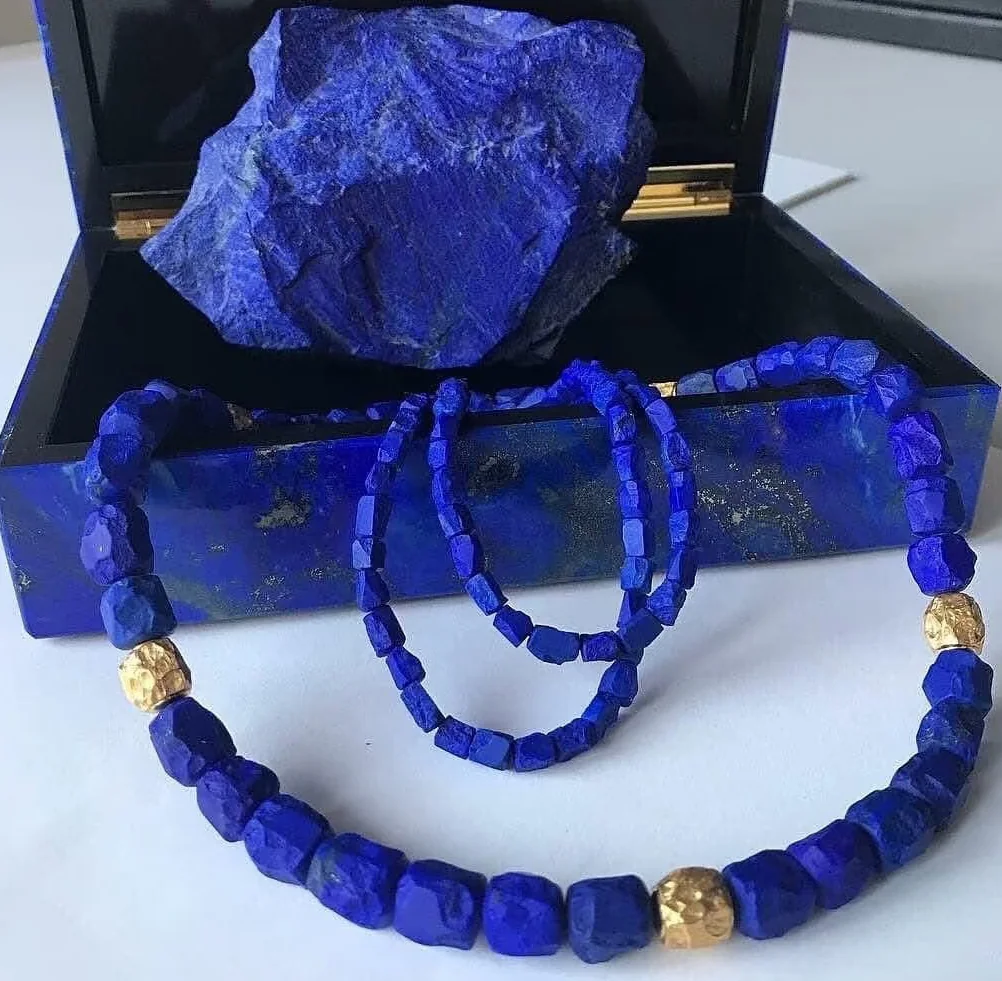
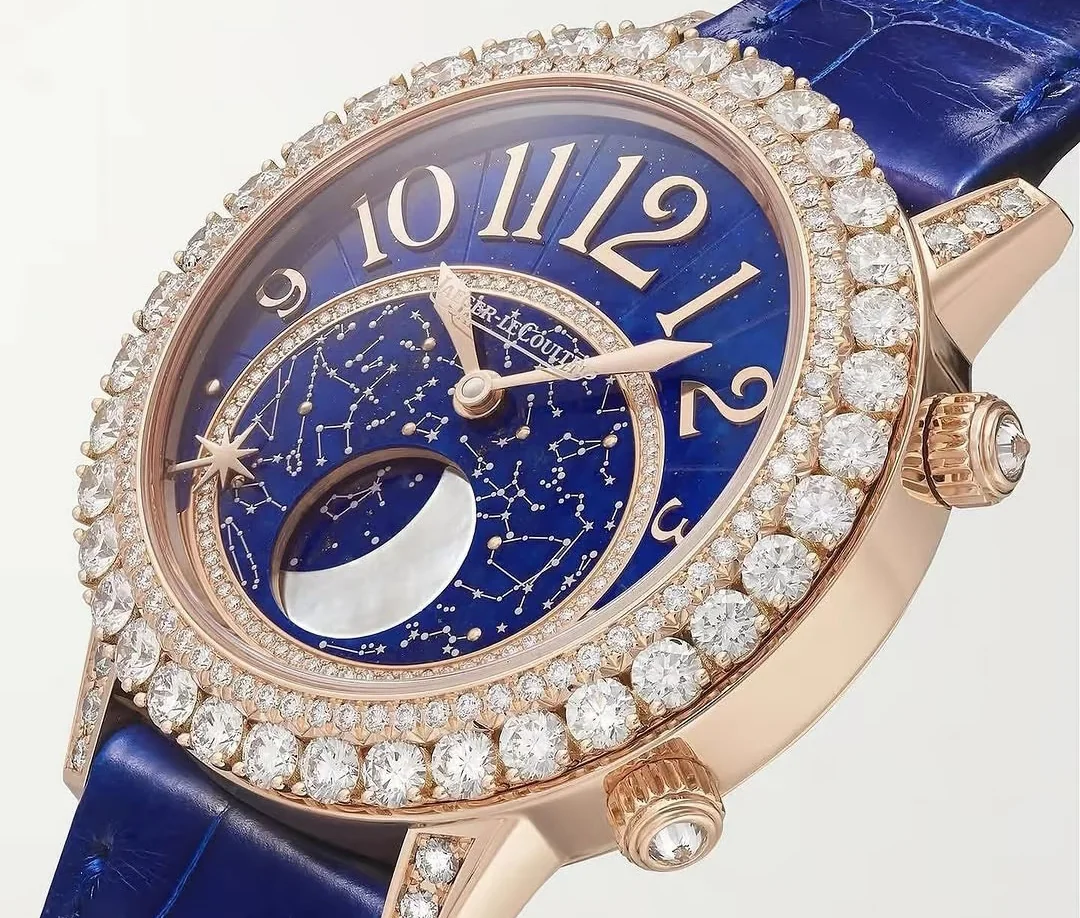
Lapis lazuli offered something visually unusual: a deep blue that could resemble a night sky, especially when dotted with small particles of reflective pyrite.
That appearance made comparisons with the heavens almost inevitable.
Across different cultures, blue became connected with ideas such as:
- the sky
- eternity
- divinity
- authority
- contemplation
- knowledge
Not every culture interpreted blue in exactly the same way.
But the repeated association between lapis lazuli, the sky, and sacred or prestigious contexts helps explain why modern interpretations still describe it as a stone of wisdom and spiritual awareness.
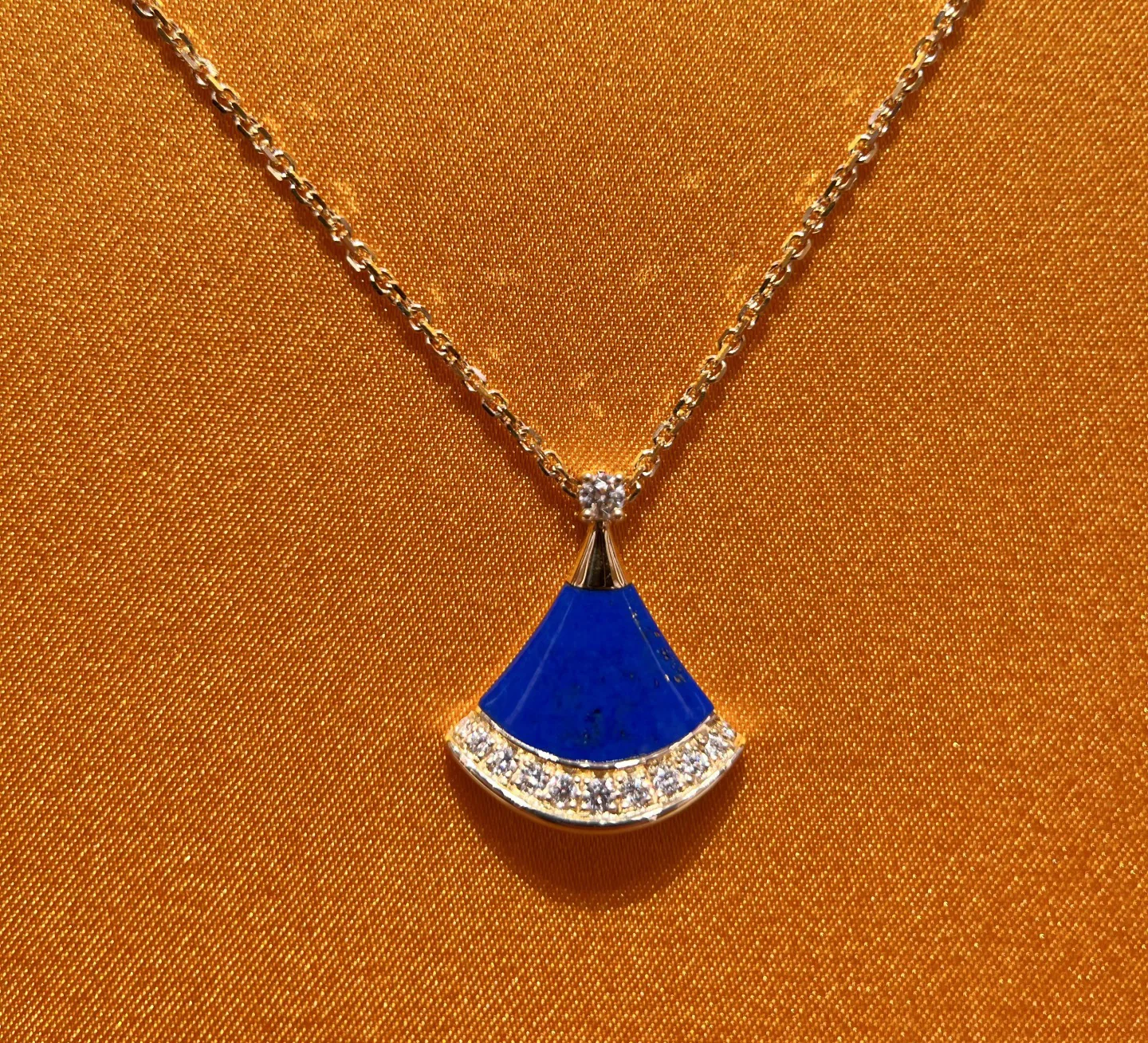
Lapis Lazuli Spiritual Meaning Today
Today, discussions of lapis lazuli meaning frequently include modern spiritual and crystal traditions.
Within these practices, lapis lazuli is commonly associated with:
Wisdom and Inner Reflection
Its long historical connection with sacred knowledge and elite cultural objects has contributed to its modern reputation as a stone of wisdom.
Some people use lapis lazuli during meditation or quiet reflection as a symbolic reminder to slow down, observe their thoughts, and seek clarity.
Truth and Self-Expression
Modern crystal traditions often describe lapis lazuli as a stone of truth.
For this reason, it is frequently connected with honest communication, confidence in expressing ideas, and speaking with greater intention.
Intuition
Lapis lazuli is also associated in contemporary spiritual practices with intuition and inner awareness.
This is one reason it is often linked with the third-eye chakra.
Communication
Its blue color also contributes to its association with the throat chakra, which modern chakra traditions connect with speech, communication, and self-expression.
These associations belong to spiritual and cultural belief systems.
They are not established medical effects, and lapis lazuli should not be presented as a treatment for anxiety, depression, immune conditions, or other health problems.
Is the Spiritual Meaning of Lapis Lazuli Scientifically Proven?
No.
There is an important difference between:
historical symbolism,
modern spiritual belief, and
scientifically demonstrated medical effects.
We can document the historical use of lapis lazuli in ancient jewelry, ritual objects, imperial court beads, paintings, pigments, and luxury goods.
We can also describe the meanings that modern spiritual communities associate with the stone.
But claims that wearing lapis lazuli can medically treat anxiety, improve immunity, cure disease, or produce other physiological effects should not be treated as scientifically established facts.
For many people, a gemstone can still have meaningful personal value without needing a medical explanation.
Its significance may come from:
memory, culture, beauty, symbolism, spirituality, or the person who gave it to you.
What Does Wearing Lapis Lazuli Jewelry Symbolize?
Jewelry gives gemstone symbolism a more personal form.
For someone who connects with the traditional meaning of lapis lazuli, wearing the stone may symbolize:
wisdom, honesty, confidence, inner clarity, individuality, or a connection with history.
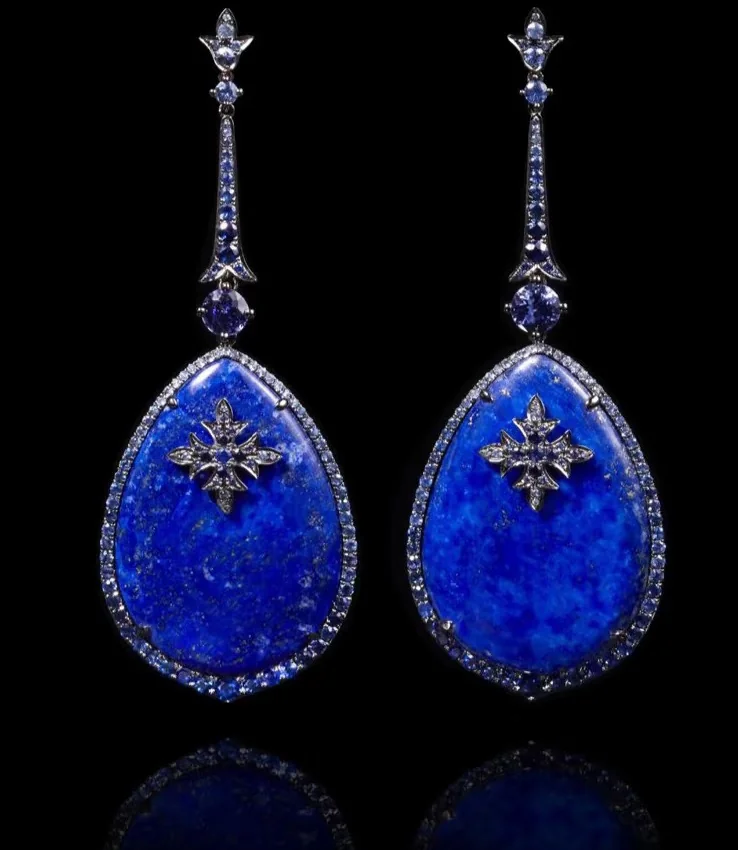
A lapis lazuli necklace or pendant worn near the neckline is sometimes chosen by people who connect the stone with communication and self-expression.
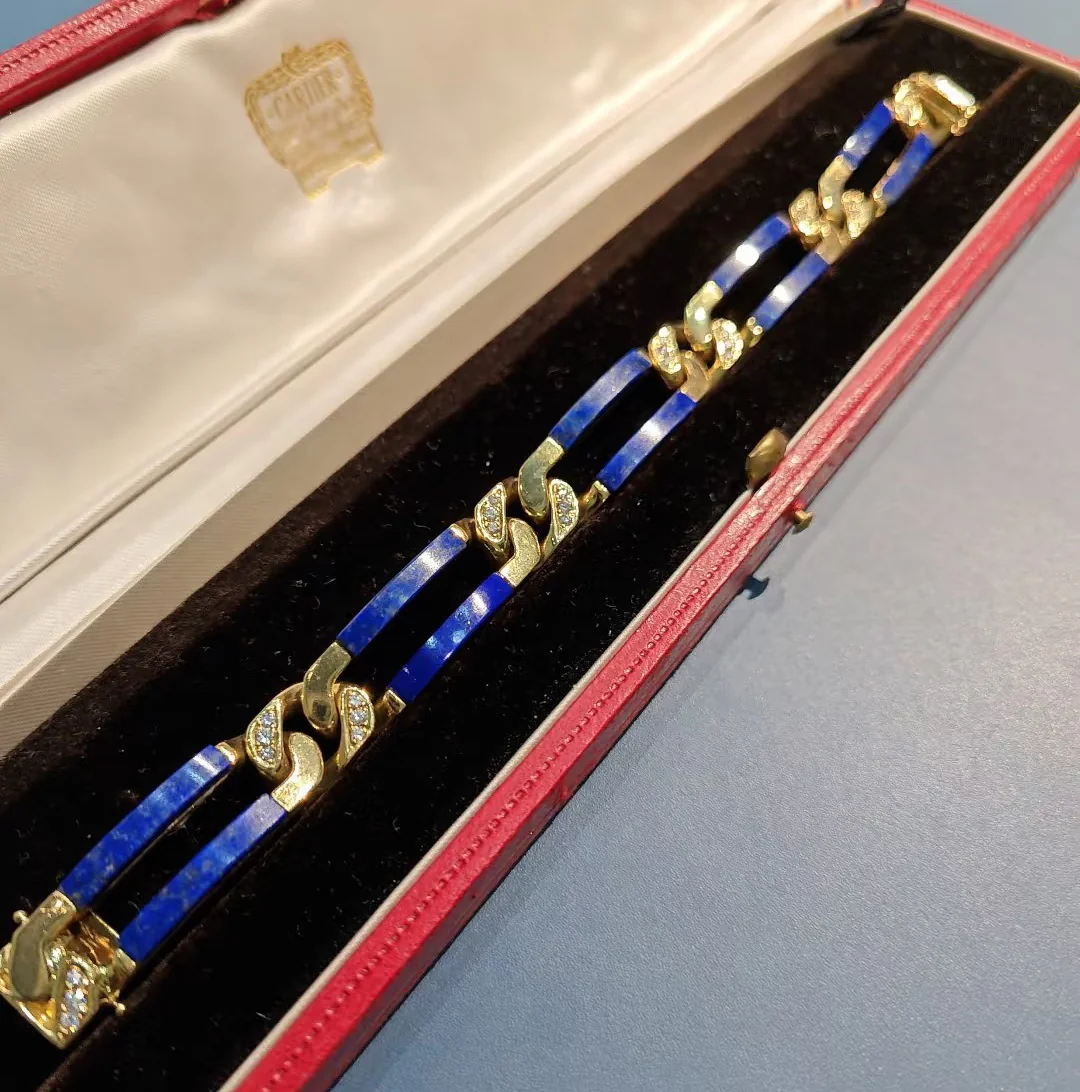
A bracelet may serve as an everyday visual reminder of an intention or memory.
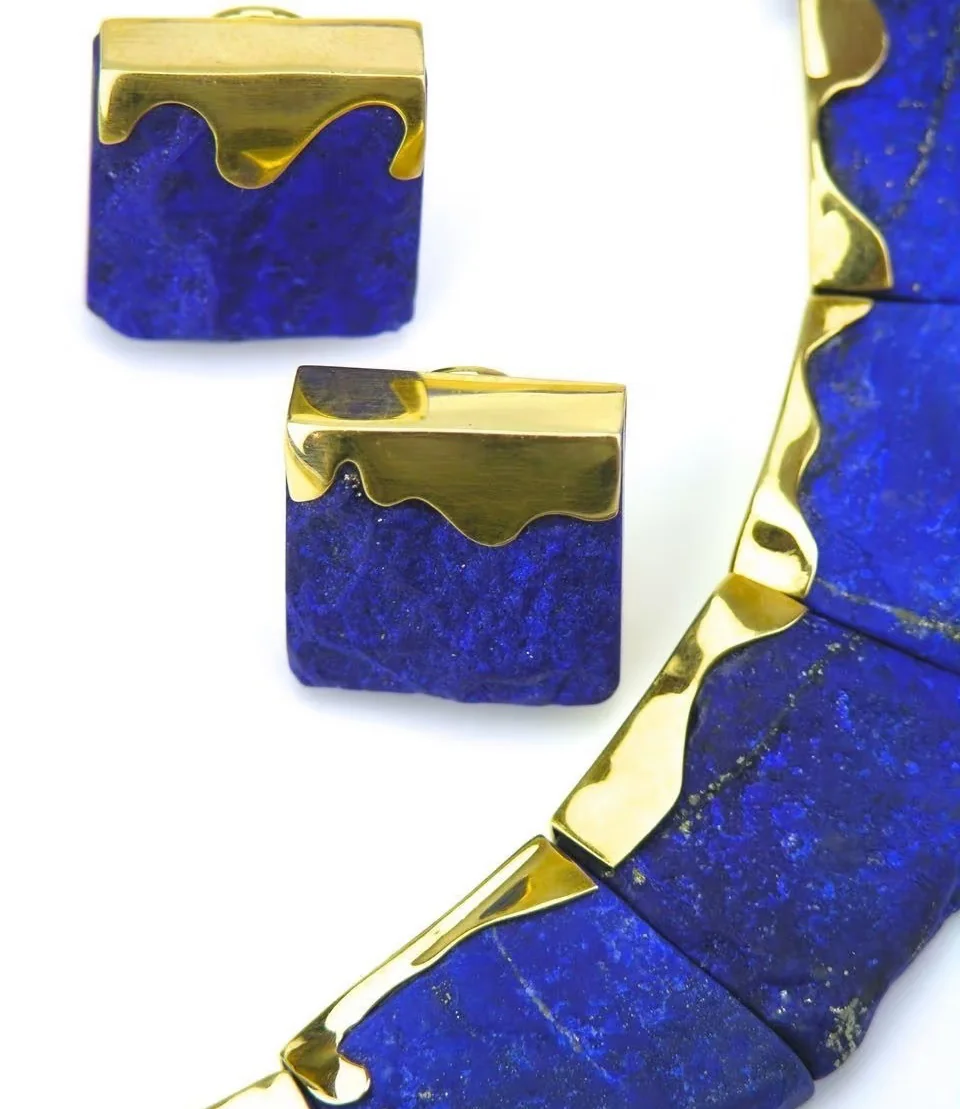
Earrings can emphasize the stone’s rich blue color without requiring any spiritual interpretation at all.
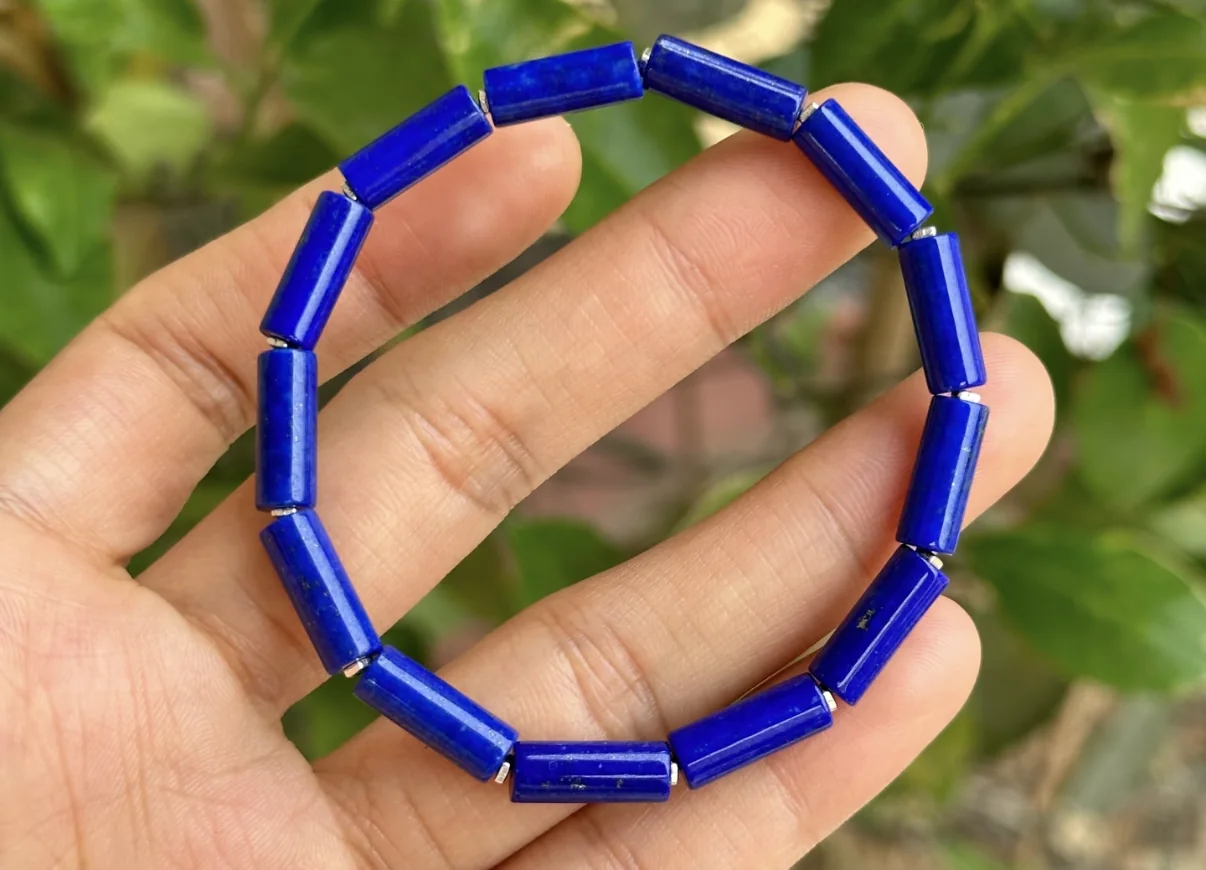
There is no rule saying a person must believe in crystal energy to wear lapis lazuli.
Some people choose it because of its symbolism.
Others choose it simply because few natural materials produce such a distinctive combination of deep blue, white mineral variation, and golden metallic detail.
Both reasons are equally valid.
What Does Lapis Lazuli Mean as a Gift?
Because lapis lazuli is traditionally associated with wisdom, truth, and meaningful communication, it can work especially well as a symbolic gift.
Depending on the relationship, lapis lazuli jewelry can express ideas such as:
- “I value your wisdom.”
- “Be confident in who you are.”
- “Speak honestly.”
- “Trust your own judgment.”
- “This is something chosen especially for you.”
The meaning does not need to be mystical.
A gift can become meaningful simply because the giver understands the history or symbolism behind the material.
That is one reason gemstone jewelry can feel more personal than an object selected only for its appearance.
What Do the Gold Flecks in Lapis Lazuli Mean?
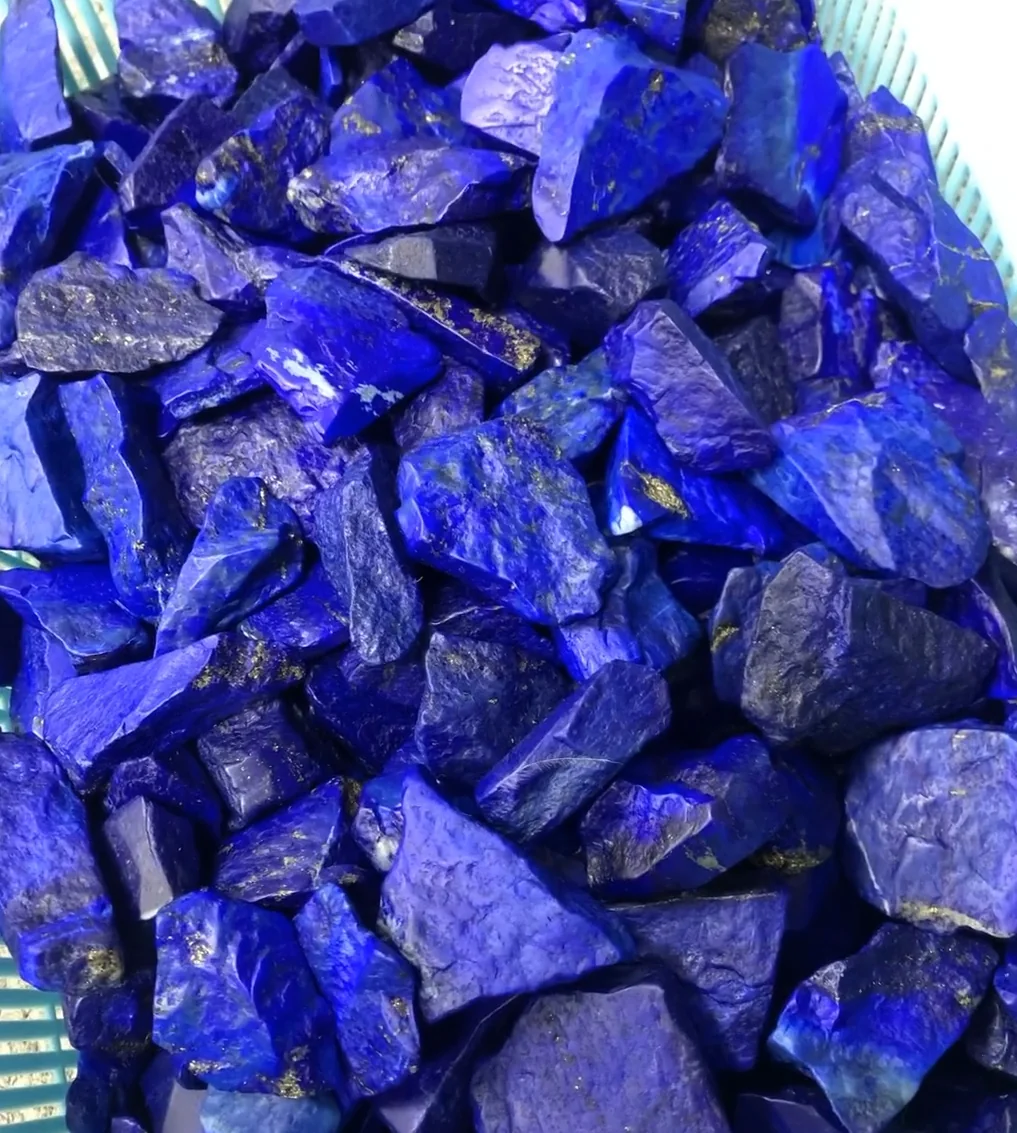
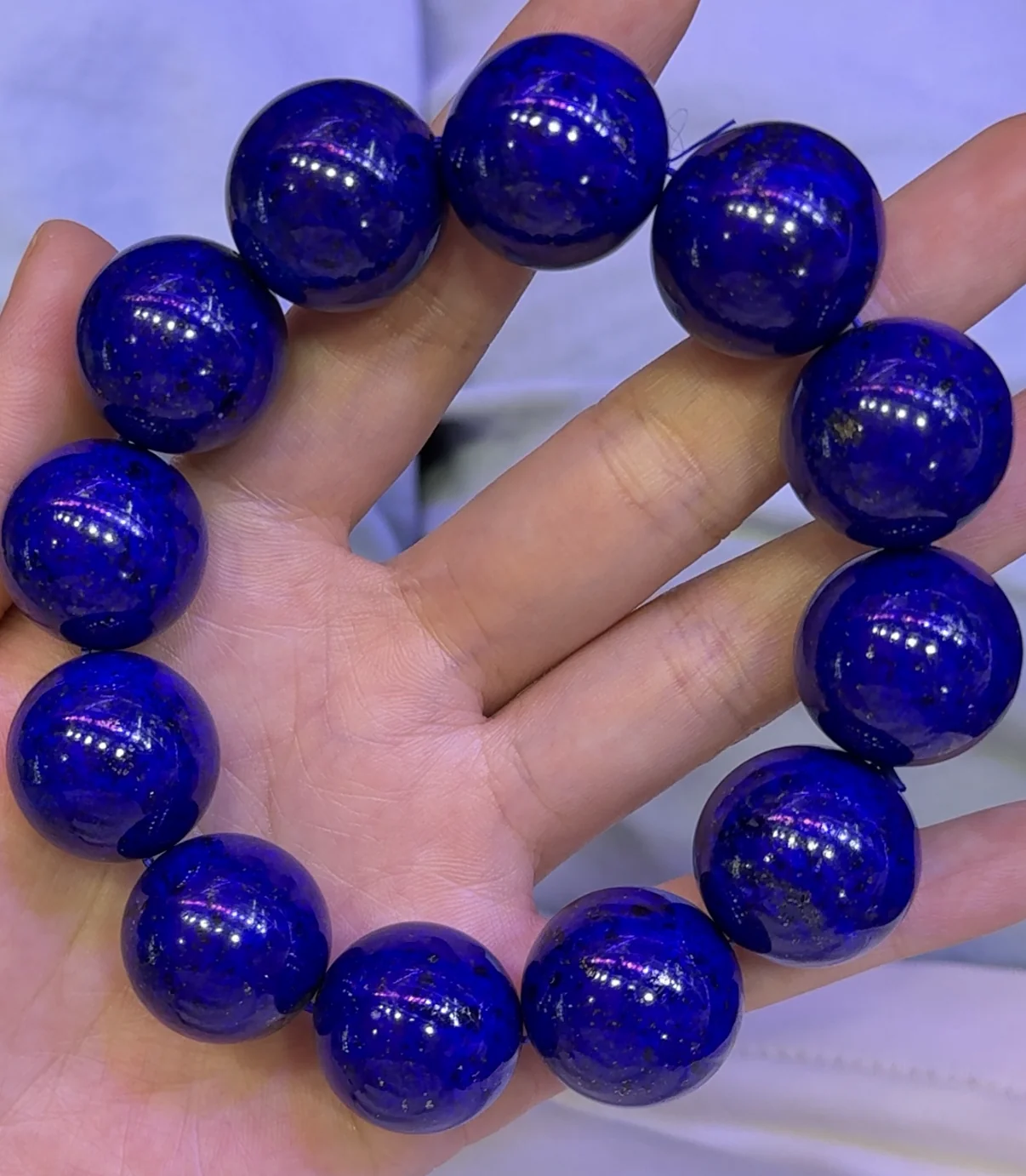
The sparkling gold-colored areas found in many pieces of lapis lazuli are usually pyrite. (GIA)
They are not actual gold.
Pyrite is a naturally occurring mineral that can appear as small metallic flecks, creating the star-like effect for which some lapis lazuli is known.
From a geological perspective, those flecks are part of the stone’s mineral composition.
They do not have a scientifically established spiritual meaning.
However, because the combination of deep blue and metallic gold visually resembles a night sky filled with stars, it is easy to understand why people throughout history found the material so visually powerful.
What Are the White Areas in Lapis Lazuli?
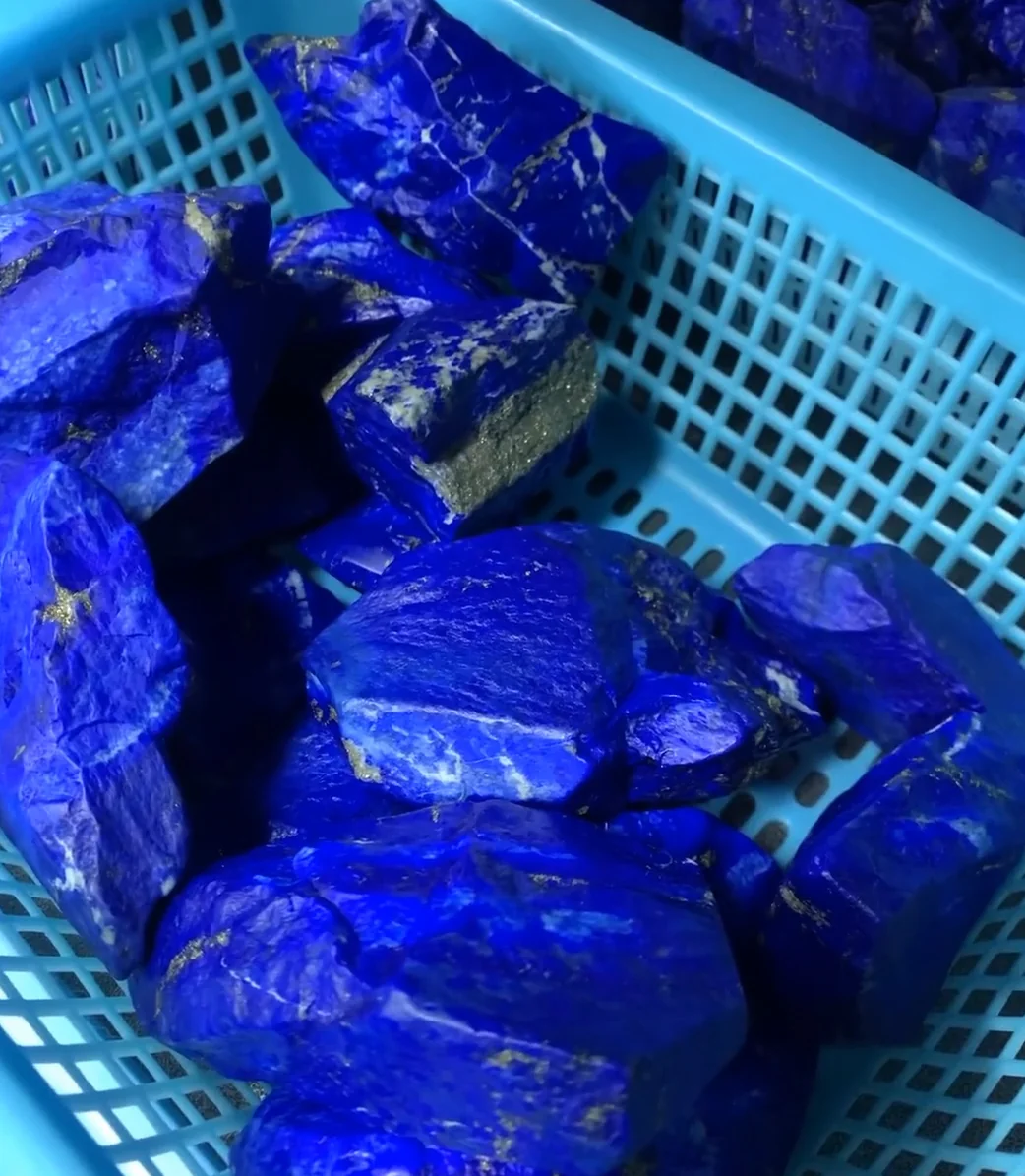
White or pale areas in lapis lazuli commonly come from calcite. (GIA)
Natural lapis lazuli can therefore contain:
deep blue areas,
gold-colored pyrite,
and white calcite.
The amount and distribution vary naturally from one piece to another.
A white streak does not automatically mean a piece of lapis lazuli is fake.
Likewise, visible pyrite alone does not prove that a stone is genuine.
Gemstone identification should be based on the material as a whole rather than one visual feature.
How Should Lapis Lazuli Jewelry Be Cared For?
Lapis lazuli measures approximately 5 to 6 on the Mohs hardness scale, making it softer than many popular jewelry gemstones. (GIA)
It should therefore be treated with reasonable care.
For ordinary cleaning:
- Use warm water with mild soap. (GIA care guidance)
- Wipe gently with a soft cloth.
- Avoid steam cleaners.
- Avoid ultrasonic cleaners.
- Avoid strong solvents and harsh chemicals.
- Be cautious with treated or dyed material.
There is no physical need to soak lapis lazuli in salt water as part of jewelry care.
People who practice symbolic or spiritual cleansing may choose rituals such as quiet meditation, sound, or other non-damaging traditions, but these should be distinguished from actual gemstone cleaning.
Frequently Asked Questions About Lapis Lazuli Meaning
What does lapis lazuli symbolize?
Lapis lazuli is traditionally associated with wisdom, truth, royalty, the heavens, self-expression, and spiritual insight. Different cultures and modern traditions may interpret its symbolism differently.
What is the spiritual meaning of lapis lazuli?
In modern spiritual traditions, lapis lazuli is often associated with intuition, meditation, truth, self-awareness, and communication.
What chakra is lapis lazuli associated with?
Modern chakra traditions commonly associate lapis lazuli with the throat chakra and third-eye chakra. These associations belong to spiritual belief systems rather than scientifically established medicine.
Is lapis lazuli a stone of wisdom?
Wisdom is one of the most common modern meanings associated with lapis lazuli. Its long cultural history, connection with sacred objects, prestige, learning, and celestial symbolism helps explain this interpretation.
What does lapis lazuli mean in love?
Lapis lazuli is not primarily known as a traditional “love stone.” In modern symbolism, however, its associations with truth and communication can make it meaningful in relationships where honesty and understanding are valued.
What does lapis lazuli jewelry mean as a gift?
It may symbolize wisdom, honesty, confidence, meaningful communication, or simply appreciation for someone who loves history and natural gemstones.
Are the gold flecks in lapis lazuli real gold?
No. The gold-colored flecks commonly seen in natural lapis lazuli are usually pyrite.
Does lapis lazuli have scientifically proven healing powers?
There is no reliable scientific evidence that lapis lazuli can treat medical or psychological conditions. Healing and chakra claims should be understood as spiritual or cultural beliefs rather than medical facts.
The Enduring Meaning of Lapis Lazuli
The meaning of lapis lazuli cannot be reduced to a single word.
For some people, it represents wisdom.
For others, truth.
Historically, it could represent royalty, prestige, sacred authority, or the heavens.
In art, it became the source of one of history’s most treasured blue pigments.
In modern spiritual practice, it is connected with reflection, communication, and intuition.
And in jewelry today, it can simply represent an appreciation for one of humanity’s oldest and most distinctive decorative materials.
Perhaps that is why lapis lazuli has remained meaningful for so long.
Its symbolism has changed, but the same deep blue stone has continued to connect people with art, culture, history, spirituality, and personal expression for thousands of years.
Sources & Further Reading
- Gemological Institute of America (GIA) — Lapis Lazuli History and Lore
- Gemological Institute of America (GIA) — Lapis Lazuli Description and Gem Research
- Gemological Institute of America (GIA) — Lapis Lazuli Care and Cleaning
- The Palace Museum — Lapis Lazuli Court Beads / Qing Imperial Collections
- The Metropolitan Museum of Art — historical material on natural ultramarine pigment and lapis lazuli
- Online Etymology Dictionary — historical origin of the term lapis lazuli