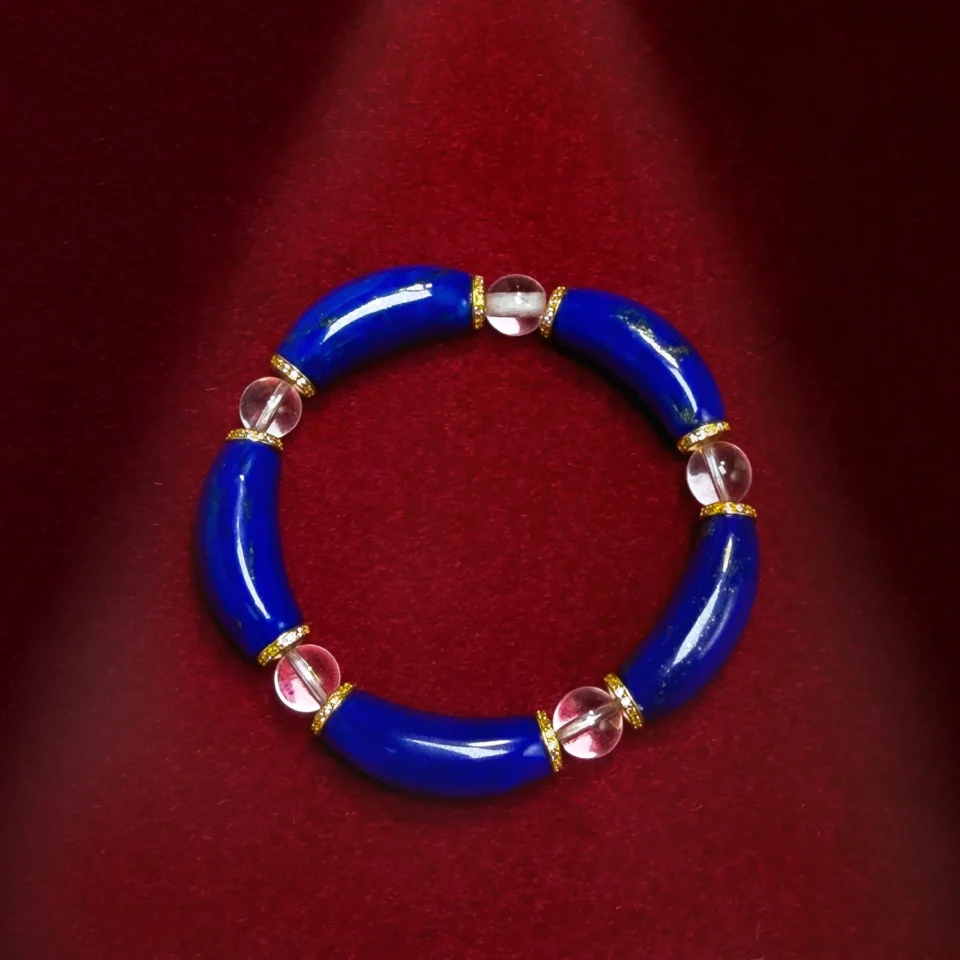
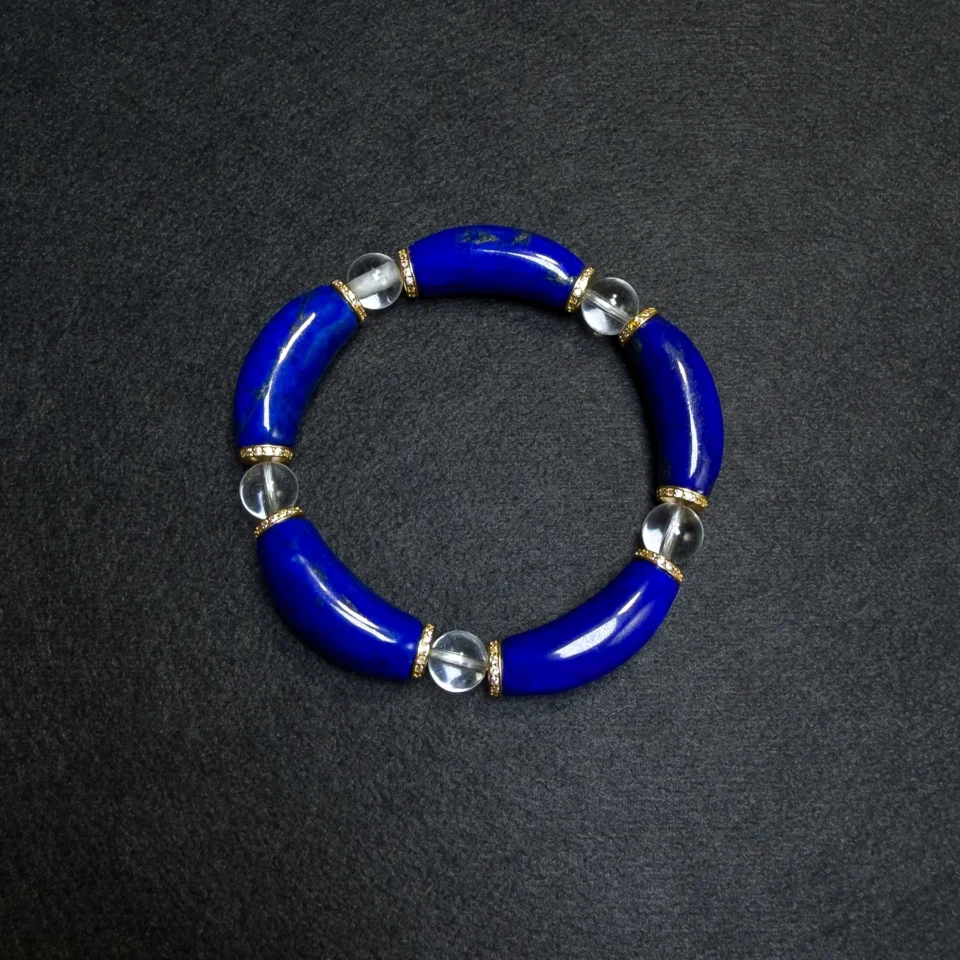
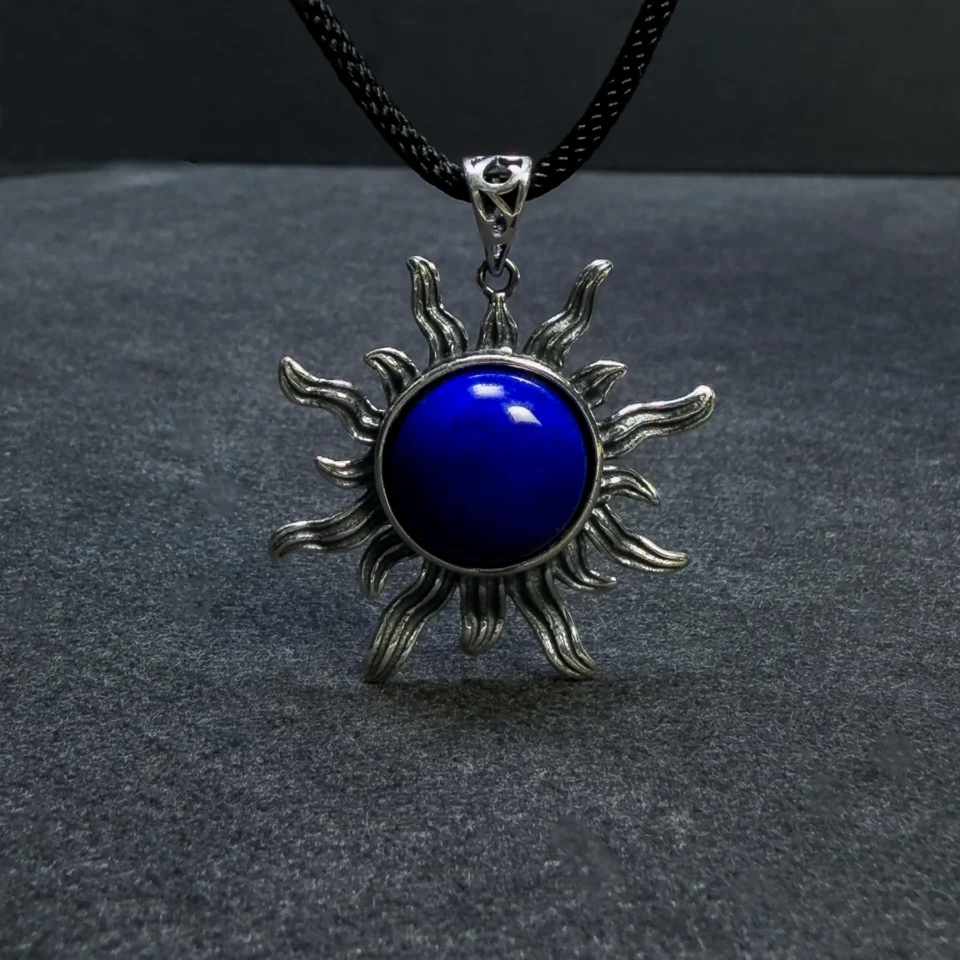
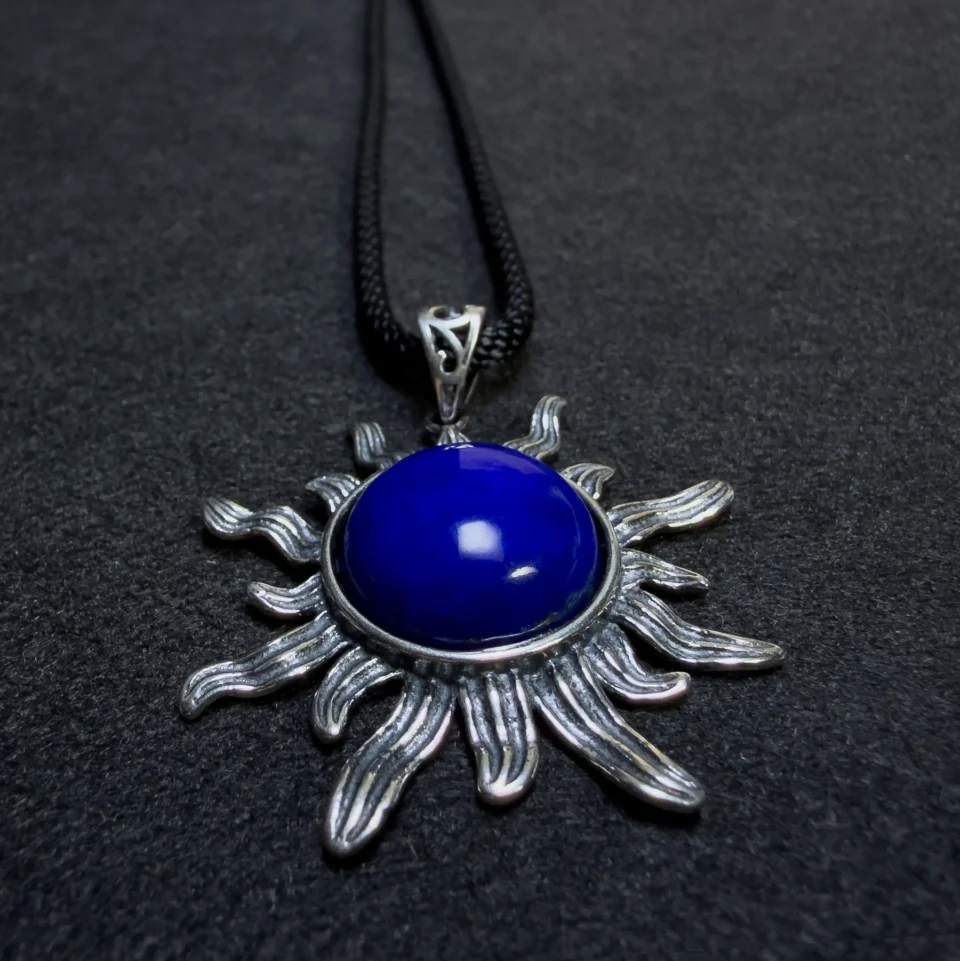
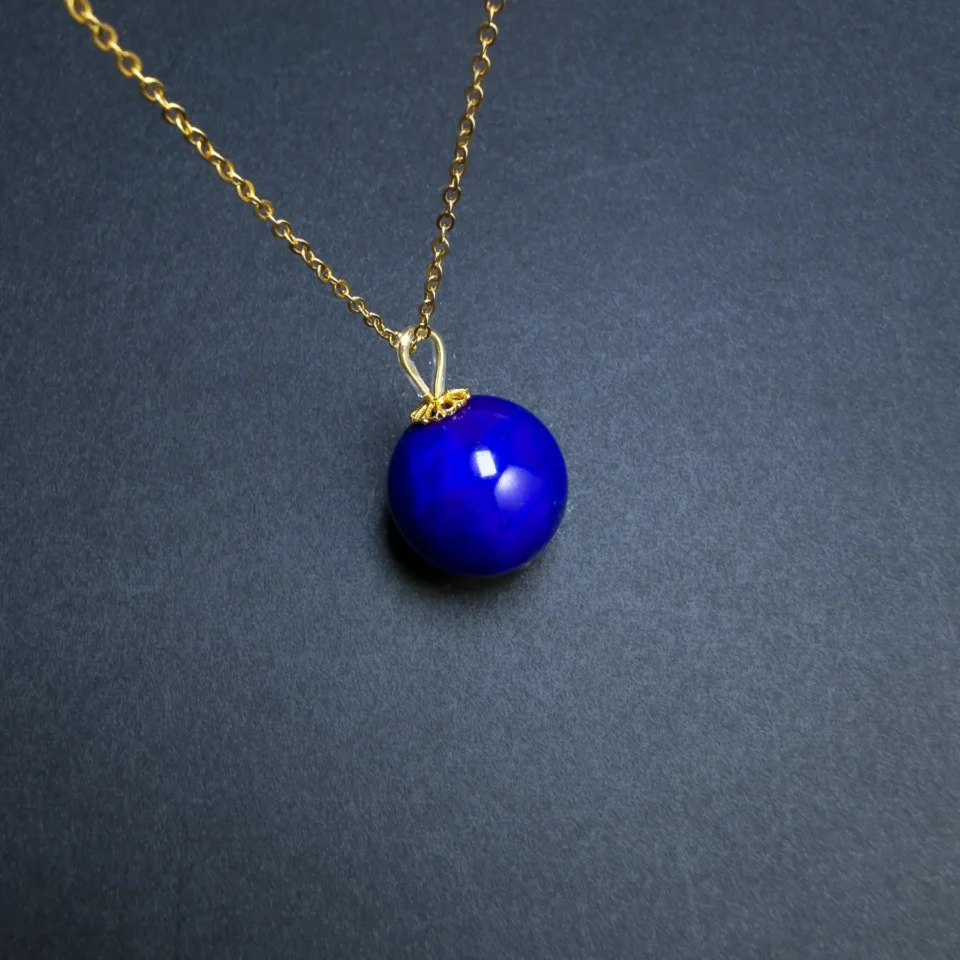
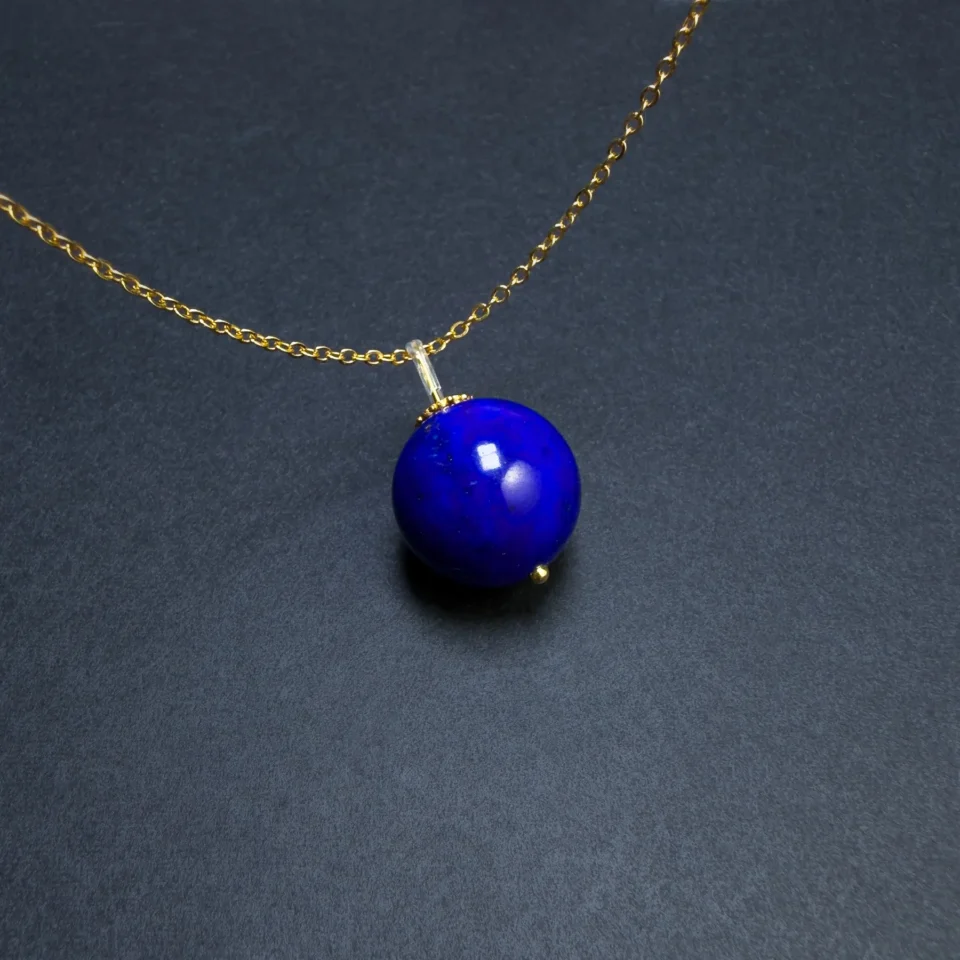
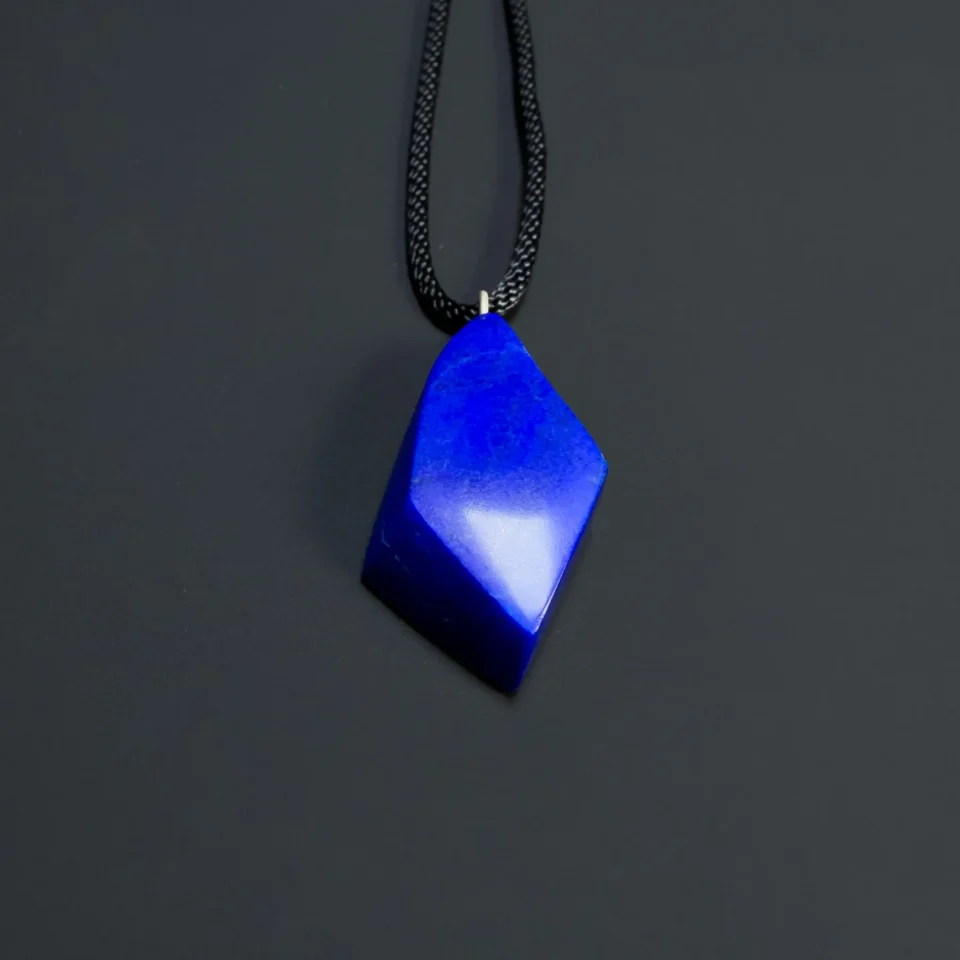
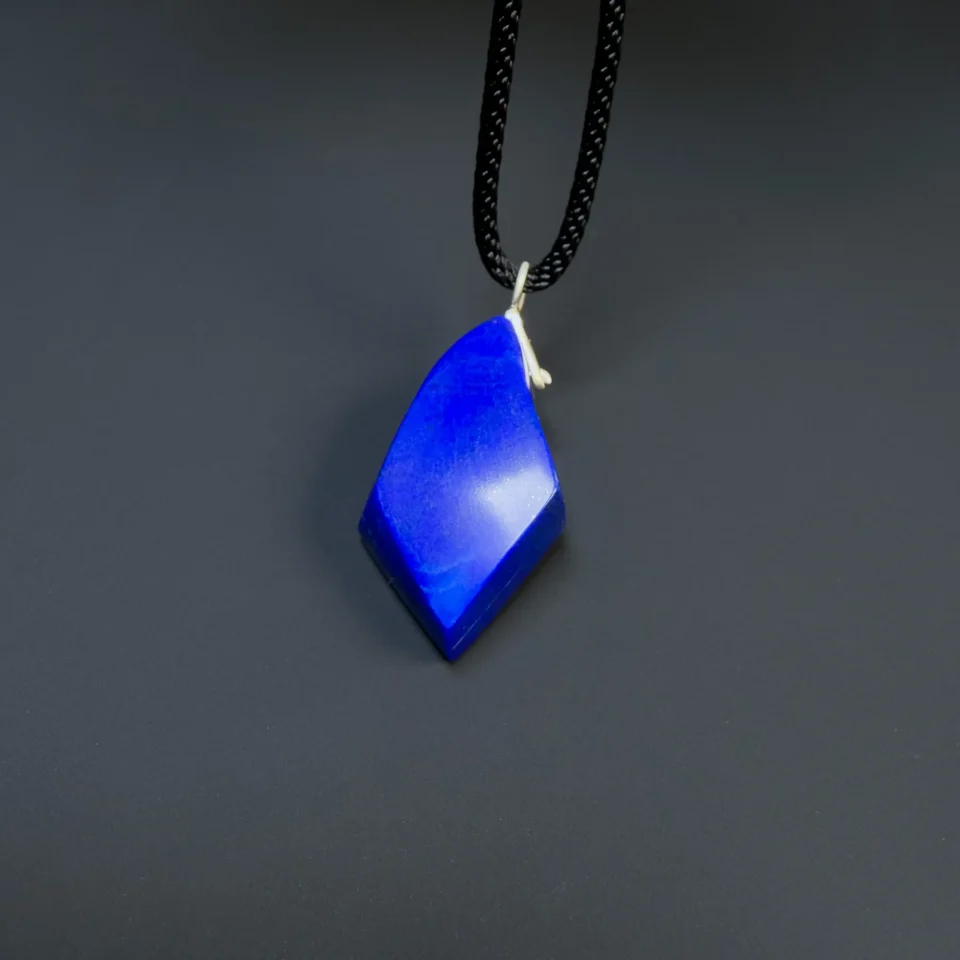
Good lapis lazuli is not defined by one rigid rule. The strongest pieces usually combine an appealing blue colour, an even overall appearance, sound workmanship and clear disclosure of any treatment. White calcite can lower the visual uniformity, while small, attractively scattered pyrite flecks may add character without reducing quality. The best choice is the piece whose colour, pattern, finish and price make sense together.
This lapis lazuli quality guide explains what to examine before buying, how to compare stones fairly and how to care for lapis jewellery after purchase. It focuses on observable features and practical questions rather than relying on vague trade labels.
A Quick Lapis Lazuli Buying Checklist
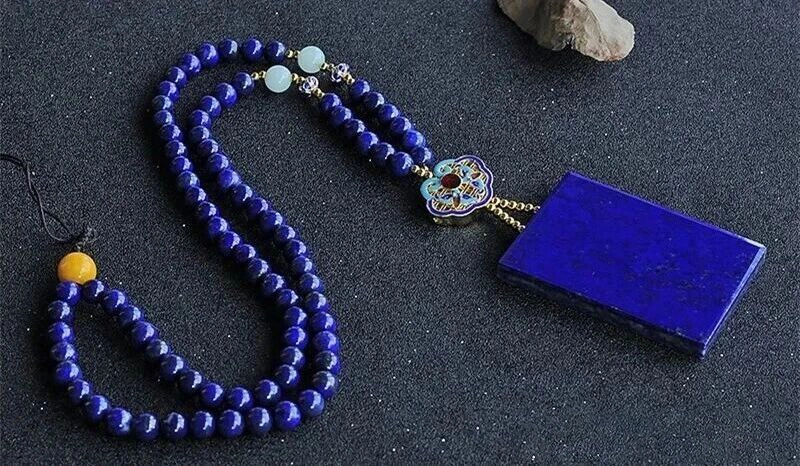
- Colour: Look for a saturated medium-to-dark blue or violetish blue that appeals to you.
- Uniformity: Compare the whole face of the stone, not only its bluest area.
- Calcite: Decide whether pale patches or veins complement the design or make it look uneven.
- Pyrite: Fine, well-distributed golden flecks can be attractive; large or excessive areas may distract from the blue.
- Surface condition: Check for chips, deep scratches, open fractures, rough drill holes and weak settings.
- Treatment disclosure: Ask whether the material has been dyed, coated, waxed or otherwise treated.
- Workmanship: For beads, compare shape, drilling, polish and how consistently the strand has been matched.
What creates the appearance of lapis lazuli?
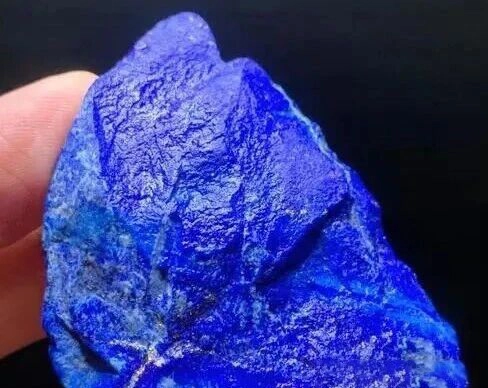
Lapis lazuli is a rock rather than a single mineral. Its familiar appearance comes mainly from blue lazurite together with varying amounts of calcite and pyrite. That natural mixture explains why one piece may look nearly uniform blue while another displays white veining, cloudy areas or metallic golden specks.
These variations are not automatically defects. They are part of the material’s visual character. Quality depends on how colour and inclusions work together, as well as the intended use. A patterned carving may be attractive for different reasons than a matched strand of round beads.
How to judge colour and uniformity
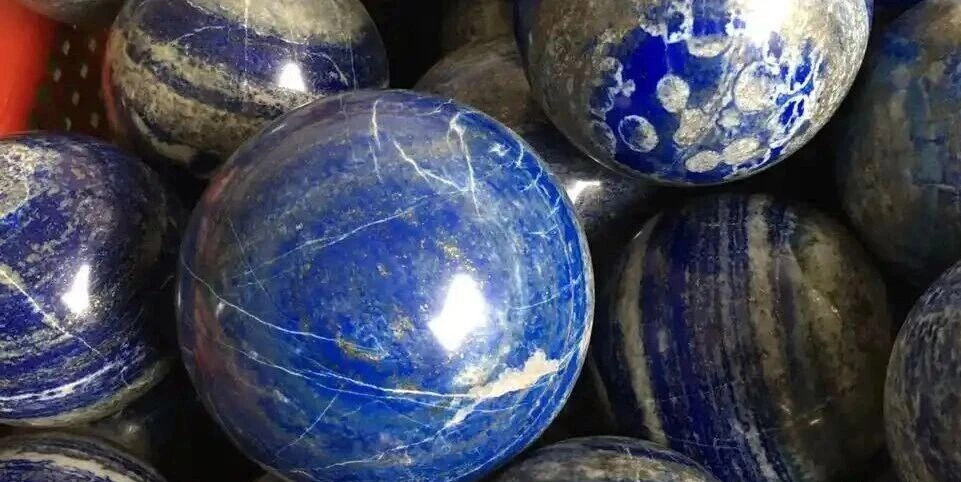
Colour is usually the first feature people notice. Highly valued lapis often shows strong saturation in a medium-to-dark blue range, sometimes with a violetish cast. Very pale, greyish or greenish material is generally less desirable when the goal is a classic deep-blue appearance.
View the piece under neutral lighting and turn it through several angles. Strong reflections can make polished beads appear brighter or more even than they are. For a necklace or bracelet, look at the strand as a group: well-matched beads should feel coherent, although natural differences are normal.
Do not assume that unusually vivid, perfectly uniform blue at a surprisingly low price must be a bargain. It may still be genuine lapis, but colour enhancement, coating or an imitation material should be considered. Price alone proves nothing, so disclosure and a reputable seller matter.
Calcite and pyrite: white and gold are not the same thing
White calcite
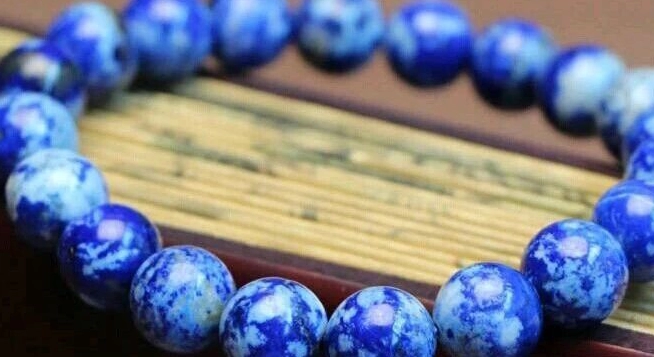
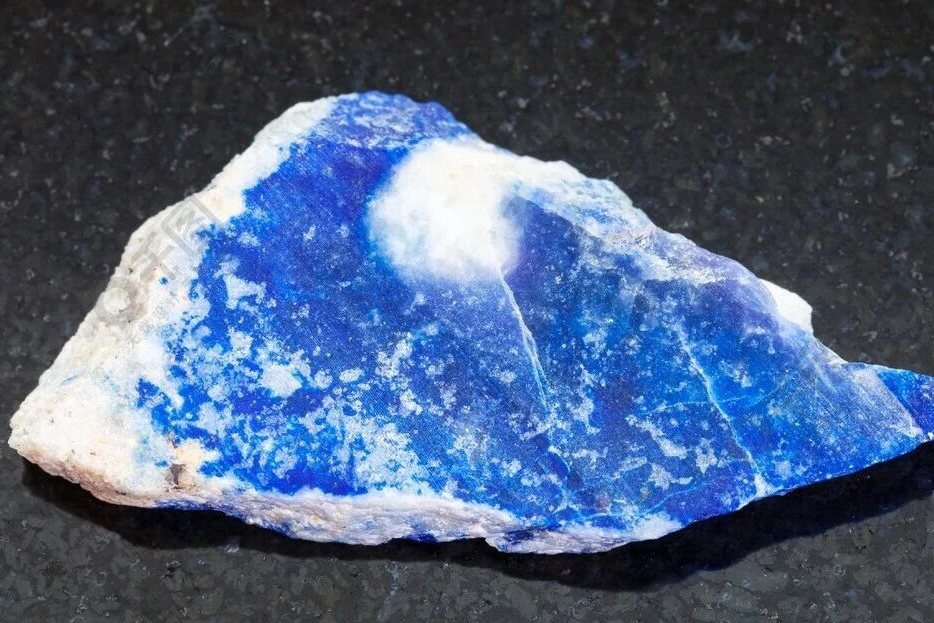
Visible calcite may appear as white patches, cloudy areas or veins. Large pale areas reduce the uninterrupted blue surface and often lower value in fine jewellery material. In a decorative carving or a deliberately patterned design, however, those markings may be part of the appeal. Judge the pattern in relation to the finished object rather than treating every white mark as unacceptable.
Golden pyrite
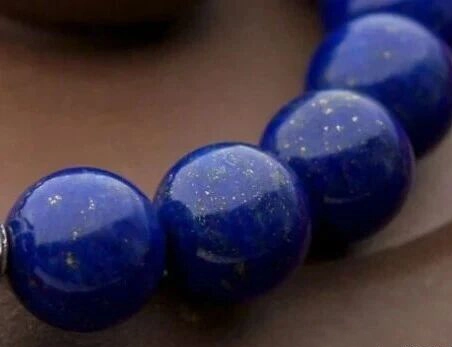
Pyrite produces the familiar gold-coloured flecks seen in many lapis pieces. Small, scattered flecks can create an attractive star-like contrast against blue and do not necessarily reduce value. Heavy concentrations may make the material look duller or greener, while irregular metallic patches can dominate a small bead. The key questions are distribution, balance and personal preference.
Surface condition and workmanship
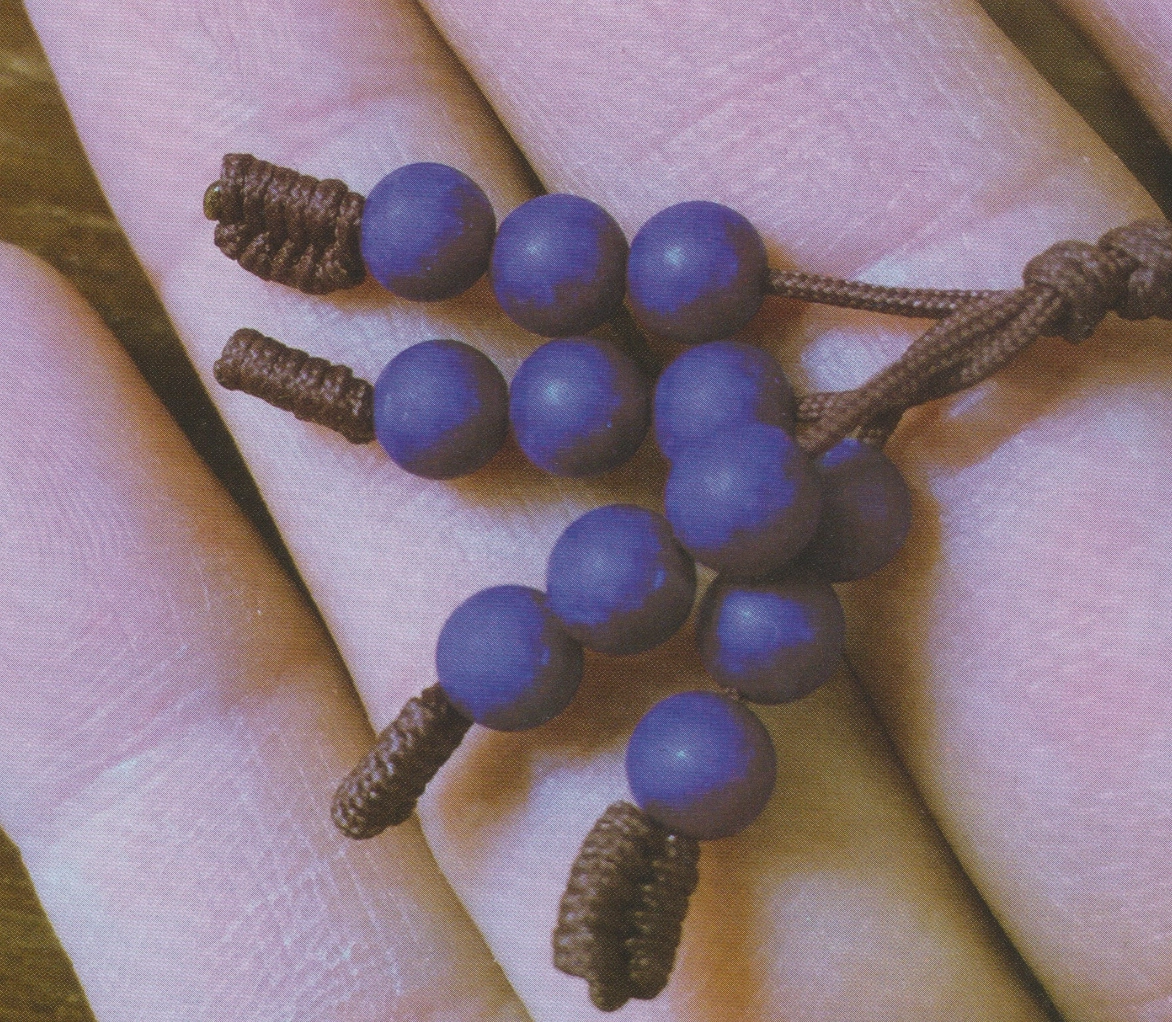
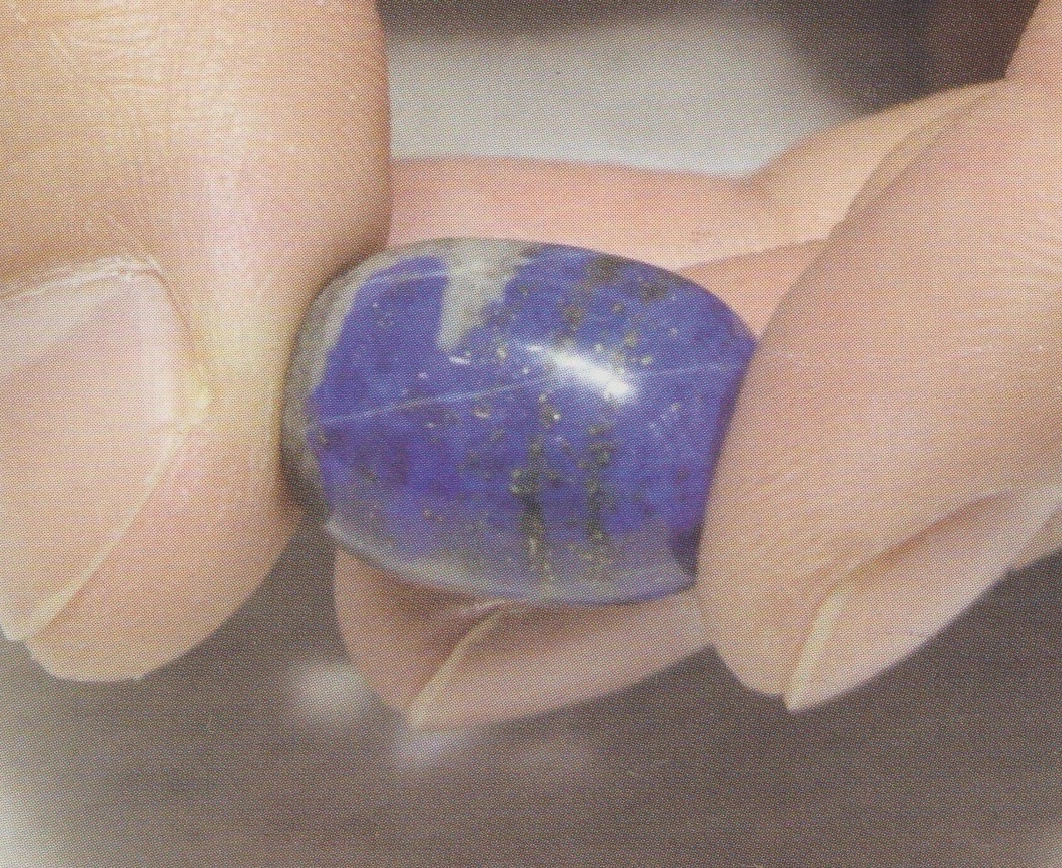
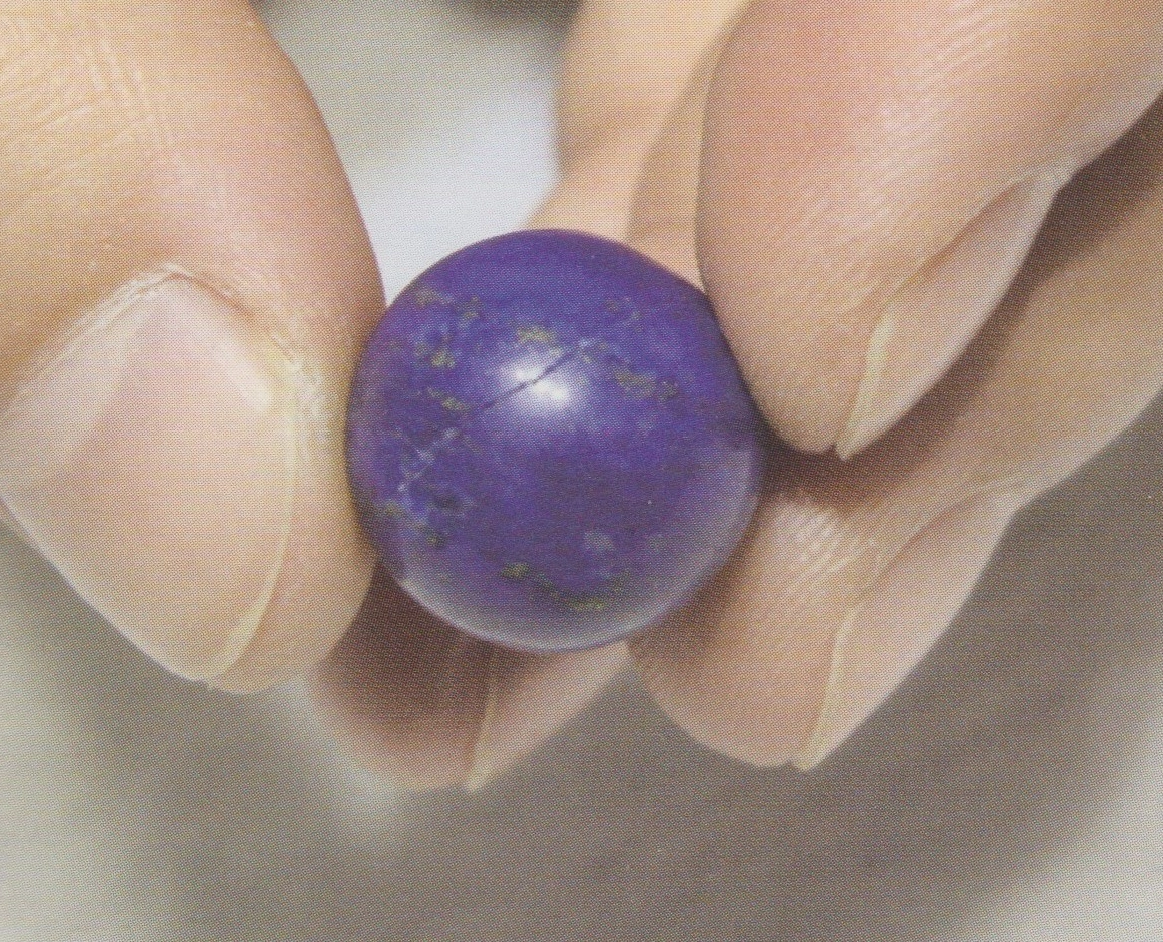
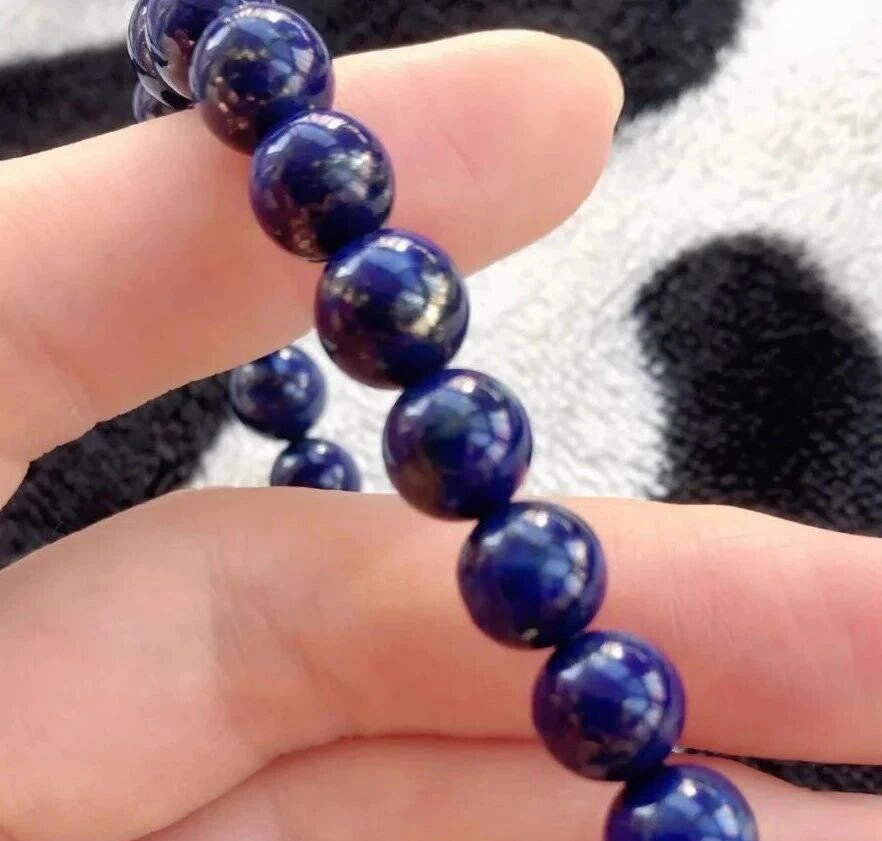
A beautiful colour cannot compensate for poor construction. Examine polished surfaces for chips, deep scratches and open fractures. On beads, inspect the drill holes for rough edges and check whether the holes are centred. On pendants and rings, make sure the setting supports the stone without visible gaps or sharp metal edges.
Fine pale lines are not always open cracks; some are mineral boundaries or veins within the rock. Avoid scraping a stone with a fingernail or another object as a home test, because this can mark the surface and still does not provide a reliable diagnosis. When condition or treatment affects a significant purchase, an independent qualified gemmologist is the safer option.
Treatments, imitations and trade labels
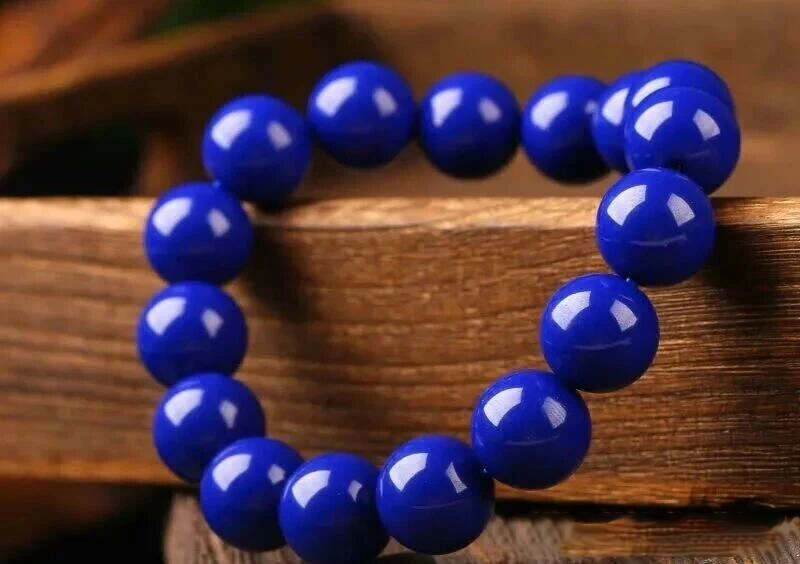
Lapis lazuli may be dyed to deepen its blue or reduce the visibility of pale calcite. Wax, oil or polymer impregnation can also improve colour or lustre. Treatments are not the same as imitation, but they should be disclosed because they can affect value and care.
Glass, plastic, ceramic materials and dyed stones can imitate the look of lapis. Visual checks may identify obvious examples, but a photograph or a single home test cannot reliably establish composition or treatment. Ask for a clear written description and keep the receipt. For higher-value material, consider a report from a recognised gemmological laboratory.
Trade descriptions such as “Imperial,” “AAA,” “museum grade” and “top grade” are not standardized across the market. At Lakazur, these terms are used only alongside specific product facts—such as natural and untreated status, color, visible calcite and pyrite, and workmanship—so customers can evaluate the piece itself rather than relying on a label alone.
How to compare two pieces at a similar price
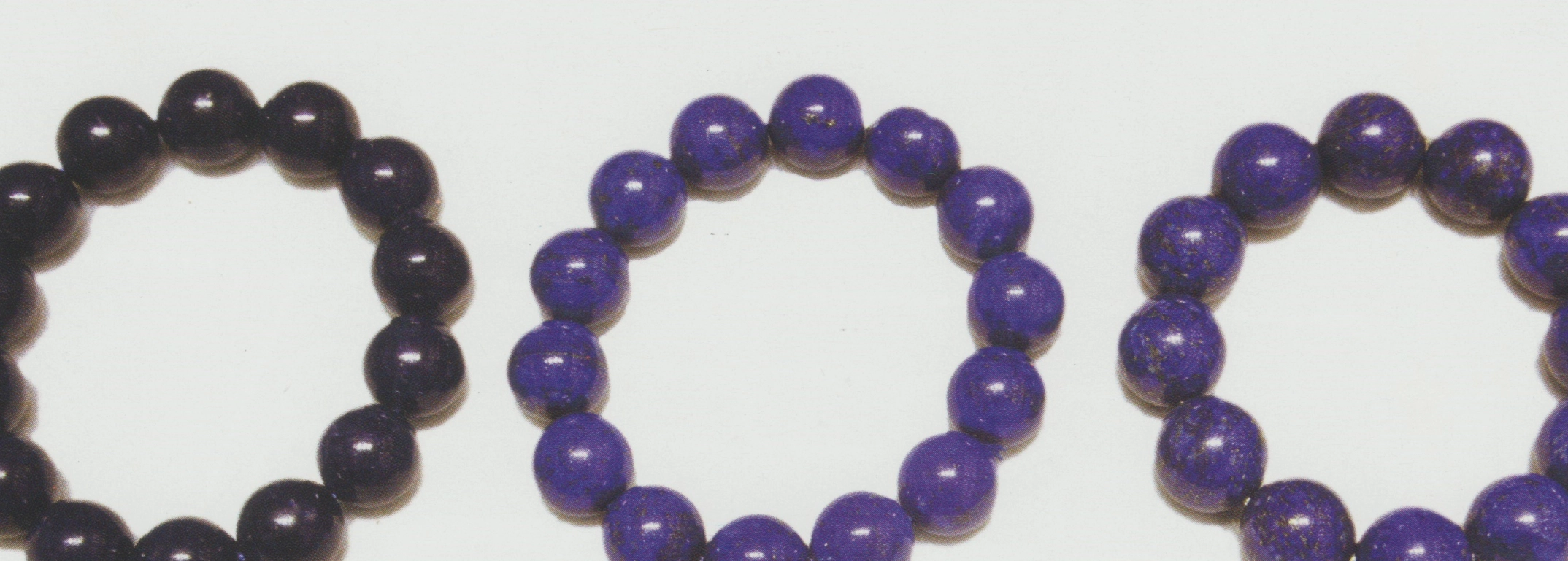
- Place them under the same neutral light.
- Compare saturation and overall colour consistency.
- Look at the amount and distribution of calcite and pyrite.
- Check polish, edges, drill holes, settings and visible damage.
- Confirm size and weight rather than judging from photographs alone.
- Compare treatment disclosure and the seller’s return terms.
- Choose the pattern you will genuinely enjoy wearing, not simply the piece with the fewest visible inclusions.
For finished lapis lazuli jewelry, design and wearability matter alongside the stone. A slightly patterned stone in a well-made, comfortable piece may be a better purchase than a more uniform stone in a weak setting.
Lapis lazuli care and safe cleaning
Lapis lazuli typically falls around 5 to 6 on the Mohs hardness scale, so it can be scratched by harder jewellery materials. Store it separately in a soft pouch or lined compartment, and avoid impacts against hard surfaces.
For routine cleaning, use lukewarm water with a small amount of mild soap and a soft cloth. Test a small, inconspicuous area first if treatment is unknown, clean briefly and dry the piece thoroughly. Do not use steam or ultrasonic cleaners. Avoid acetone, alcohol, strong household chemicals, prolonged heat and aggressive polishing compounds, all of which may affect treated surfaces or the stone’s finish.
Remove lapis jewellery before swimming, showering, strenuous exercise or applying perfume, hairspray and cosmetics. Wipe it gently after wear before storing it. These habits reduce exposure to impact, perspiration and chemicals without requiring complicated maintenance.
The practical definition of good lapis lazuli
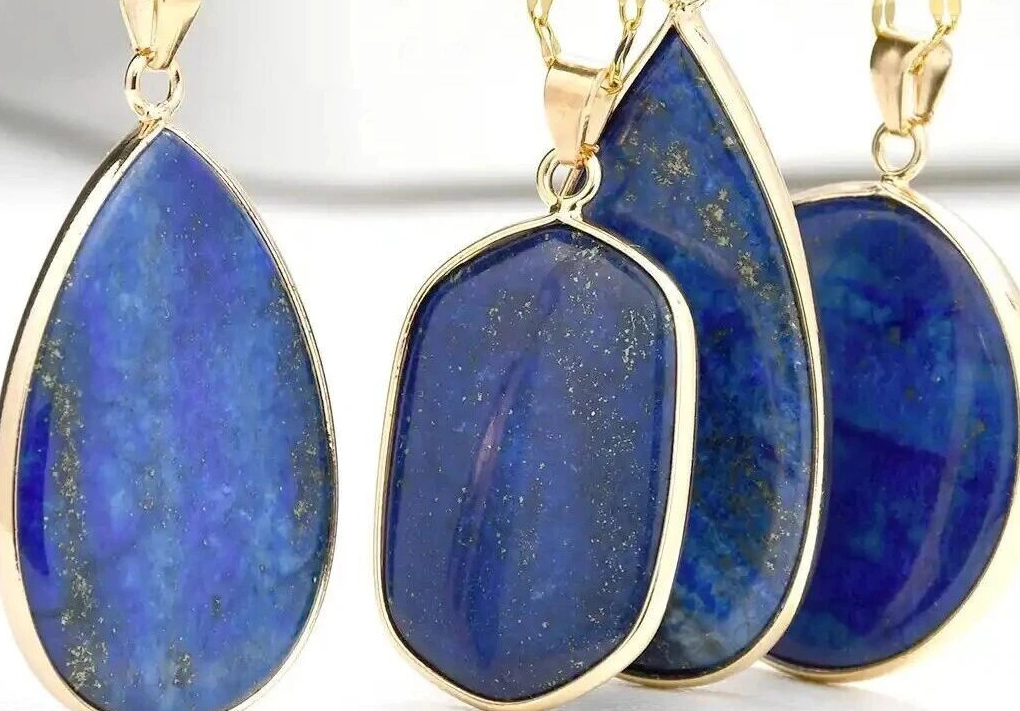
Good lapis lazuli has attractive colour, a pattern suited to the design, sound condition, competent workmanship and honest disclosure. Uniform royal or violetish blue with little visible calcite is often highly valued, while balanced pyrite can be beautiful. Patterned stones can also be distinctive and desirable when the colour and finish are pleasing.
Use quality labels as a starting point, not a conclusion. Looking closely at the actual stone—and understanding how to clean and store it—will help you choose a piece that remains satisfying long after the first impression.